Section 4
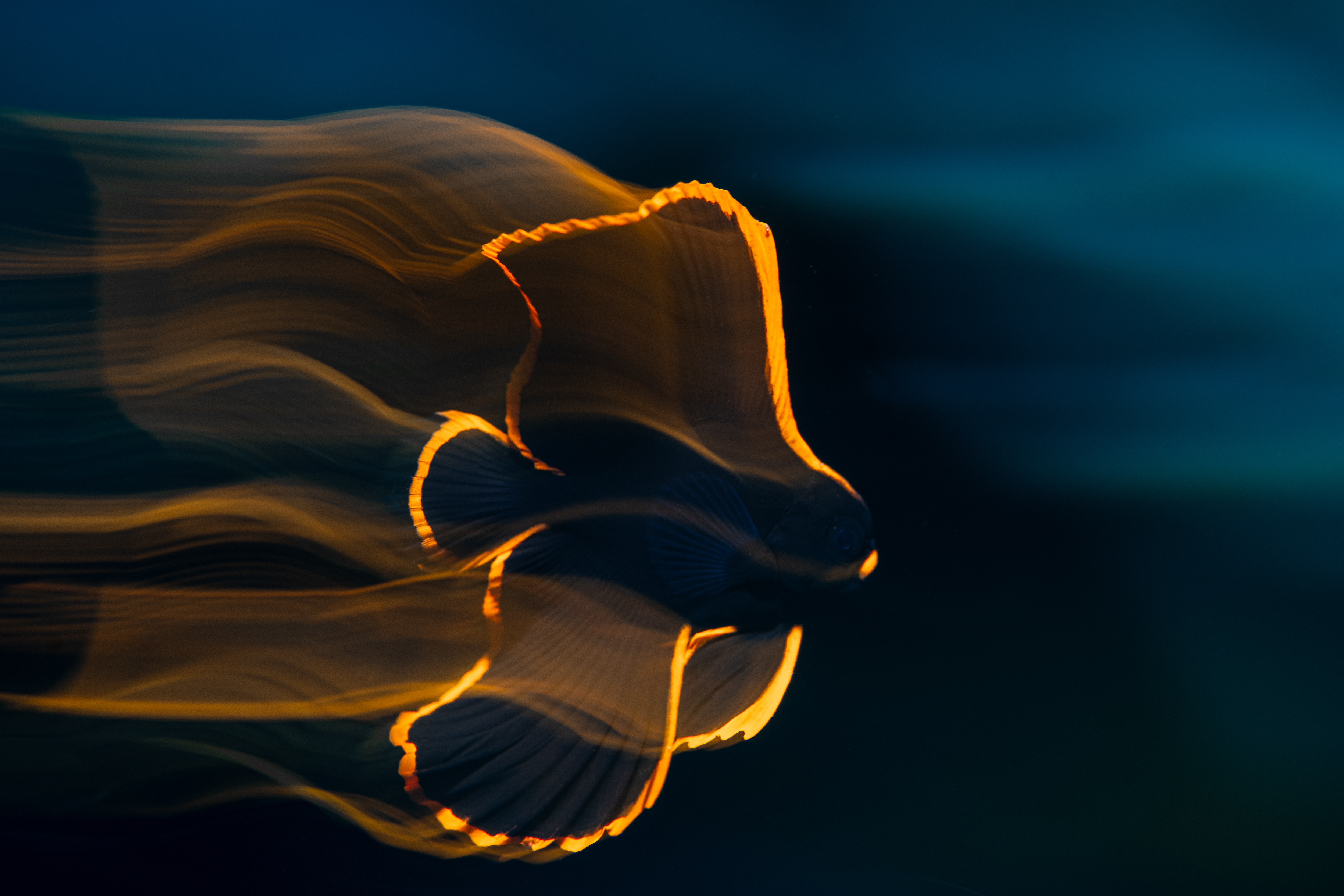
Long-exposure image of a fish glowing with golden highlights against a dark blue underwater background.

© UN World Oceans Day 2025 Photo Competition/Luis Arpa | A fish glowing with golden highlights

Changes since the second World Ocean Assessment

Section 4 of the third World Ocean Assessment is focused on providing details of the changes that have occurred in the ocean since the period covered by the second Assessment, i.e. between 2018 and 2023, relating directly to the corresponding chapters in the second Assessment. All relevant information is described with respect to various geographical ocean regions.

Chapters

Chapter 1: Drivers

The adverse effects of human activities in the marine environment require a conceptual understanding of a cause-consequence-response framework based on knowing the basic human needs related by the environment, the activities required to satisfy those needs and the pressures (mechanisms of change) emanating from those activities.

Read more about Chapter 1
Abstract blue underwater scene with translucent catfish drifting through flowing streaks of light.

© 2022 UN World Oceans Day Photo Competition/Gabriel Barathieu | Catfish

Chapter 2: Scientific understanding

The ocean is a single and complex interconnected system, the planet's "life support system", combining biological, physical and chemical processes while interacting with the atmosphere. It hosts millions of species, many still unknown. Managing human impacts on the ocean is essential for preserving life on Earth, including humankind.

Read more about Chapter 2
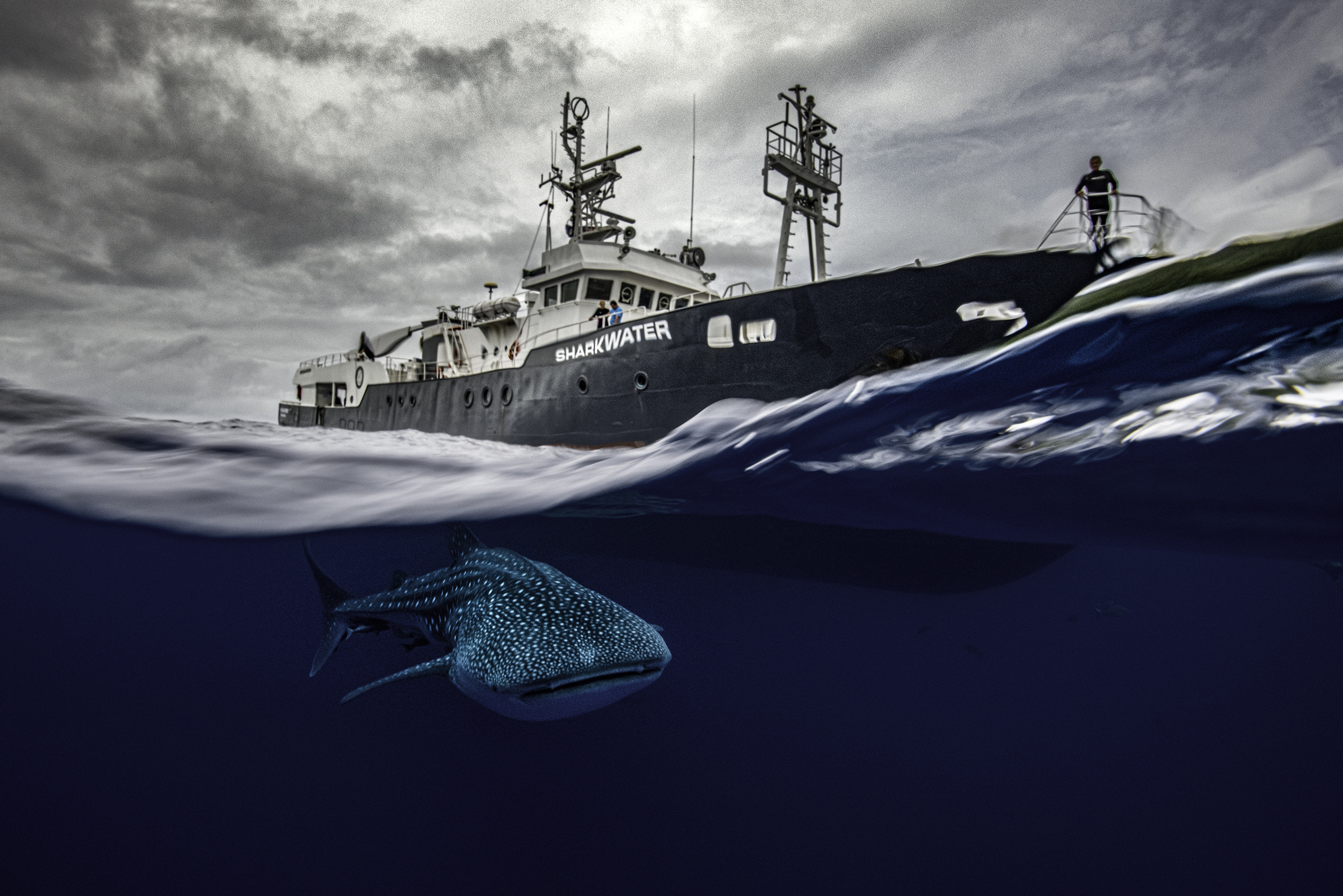
A split-surface underwater photograph showing a large, spotted whale shark swimming peacefully in deep blue water below the surface. Above the water line, the large black-and-white research ship "SHARKWATER" floats under a dramatic, overcast grey sky, with a crew member looking out from the bo

© 2020 UN World Oceans Day Photo Competition/Edward Herreno | A Whale Shark Swims Along a Ship

Chapter 3: Trends in the physical and chemical state of the ocean

Tracking changes in the physical and chemical properties of ocean regions is critical to understanding the future of the planet, with significant geopolitical and socioeconomic consequences. There will be significant changes to coastal ocean dynamics associated with sea level rise, warming and shifts in circulation, leading to significant impacts on regional communities over the next few decades. One of the most impactful changes anticipated is the frequent occurrence of an ice-free Arctic Ocean in September by the middle of the twenty-first century.

Read more about Chapter 3
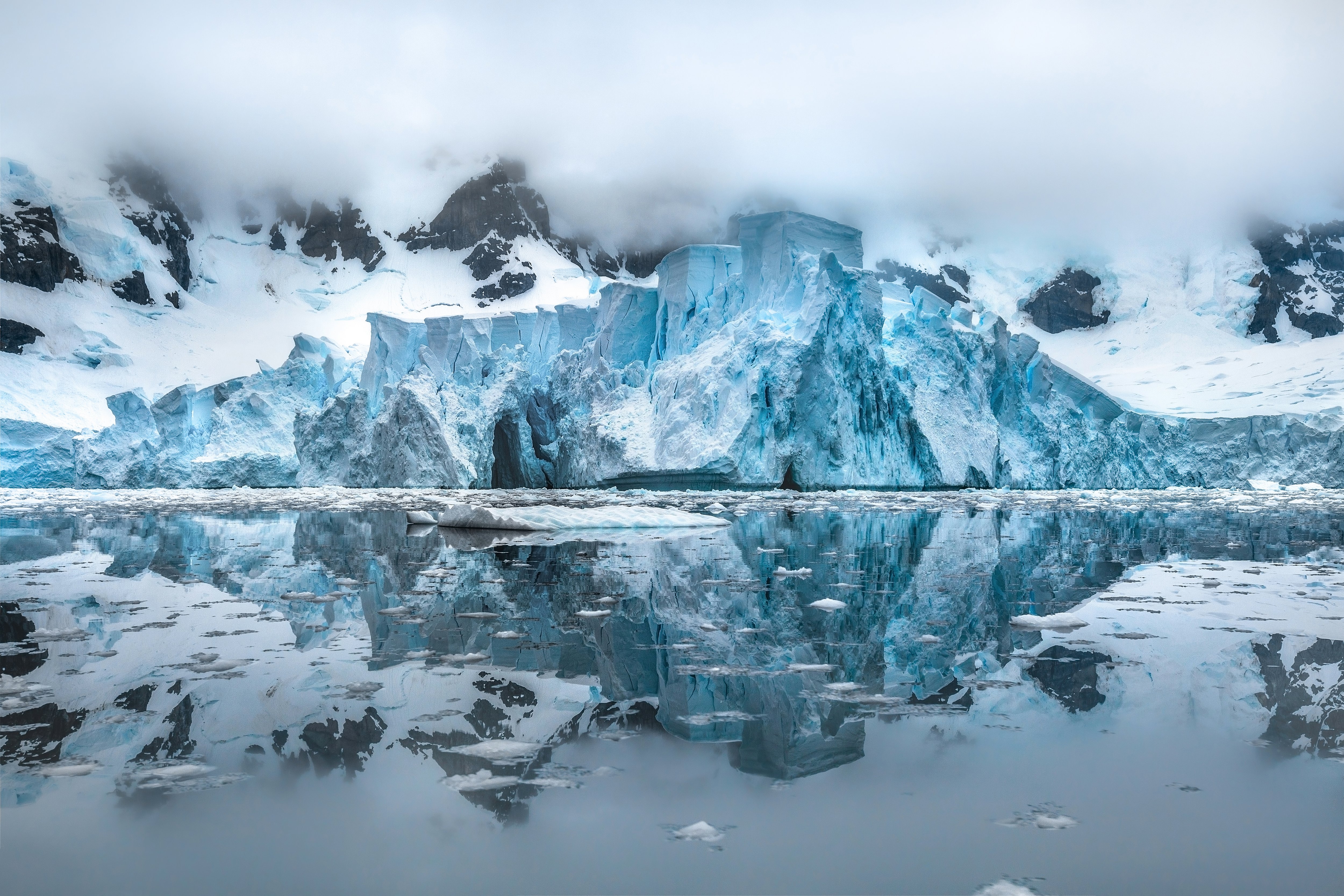
A wide landscape photograph of the glowing blue Suárez Glacier at Paradise Harbour on the Antarctic Peninsula. The massive ice formation is flanked by snow-covered dark mountains under a heavy blanket of low-hanging white fog and clouds. The glassy, mirror-like dark water in the foreground reflects the intricate patterns of the glacier and floating fragments of ice.

© 2025 UN World Oceans Day Photo Competition/Andrey Nosik | Suárez Glacier

Chapter 4: Biodiversity

IntroductionThe present chapter contains information on the state of biodiversity for nine important marine groups, ranging from phytoplankton to marine mammals. For the taxonomic groups that were…

Read more about Chapter 4
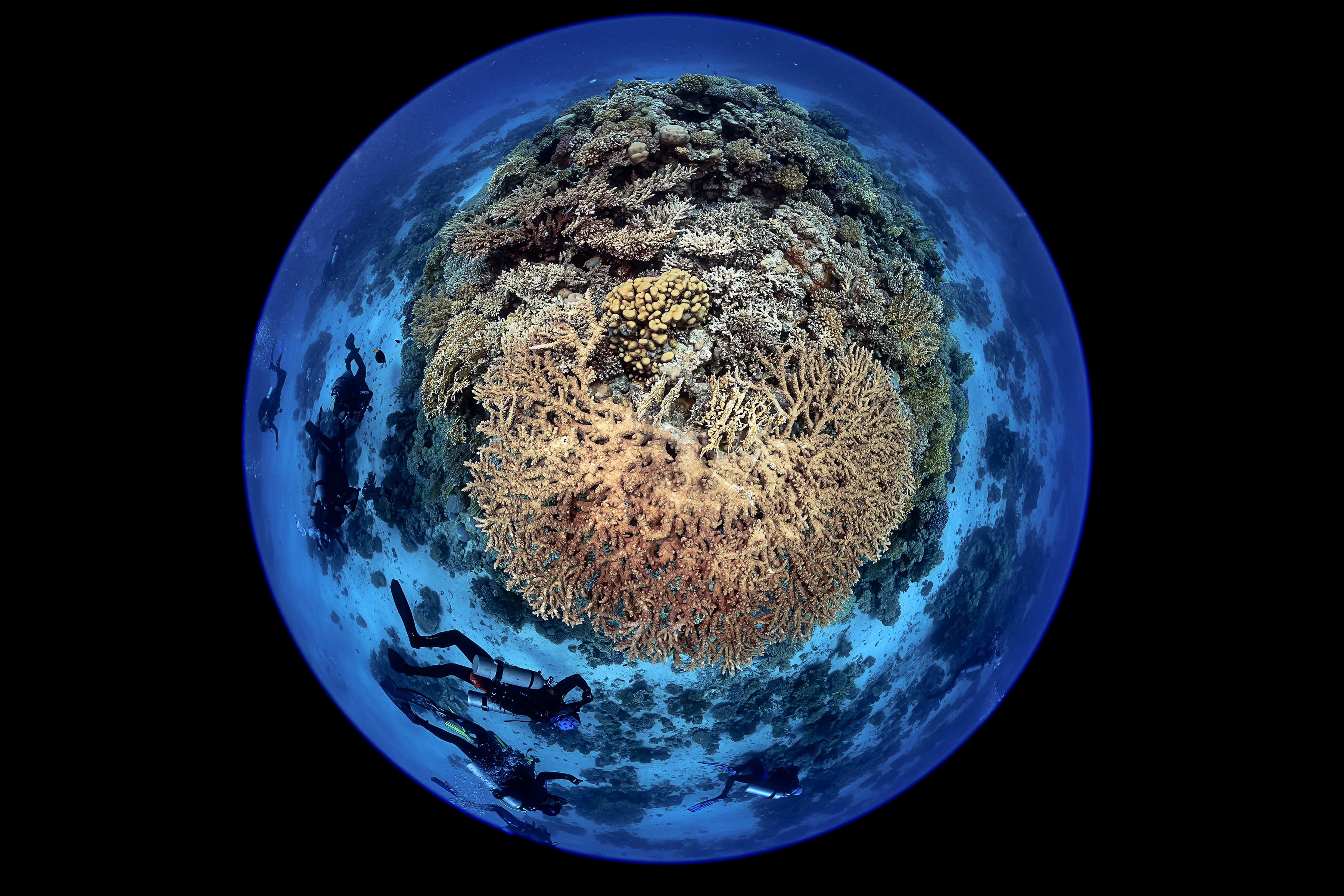
A circular fisheye underwater photograph framing a thriving, spherical coral reef to look like a small planet floating in pitch-black space. The "planet's" surface is covered in detailed brown, beige, and golden stony corals, surrounded by clear blue water where several scuba divers are seen swimming around its lower edge.

© UN World Oceans Day 2020 Photo Competition/Yung-Sen Wu | The Planet of Corals

Chapter 5: Habitats

IntroductionThe present chapter consists of 18 subchapters. It details the trends and state of a diverse range of marine and coastal habitats and ecosystems, providing insights into their…

Read more about Chapter 5
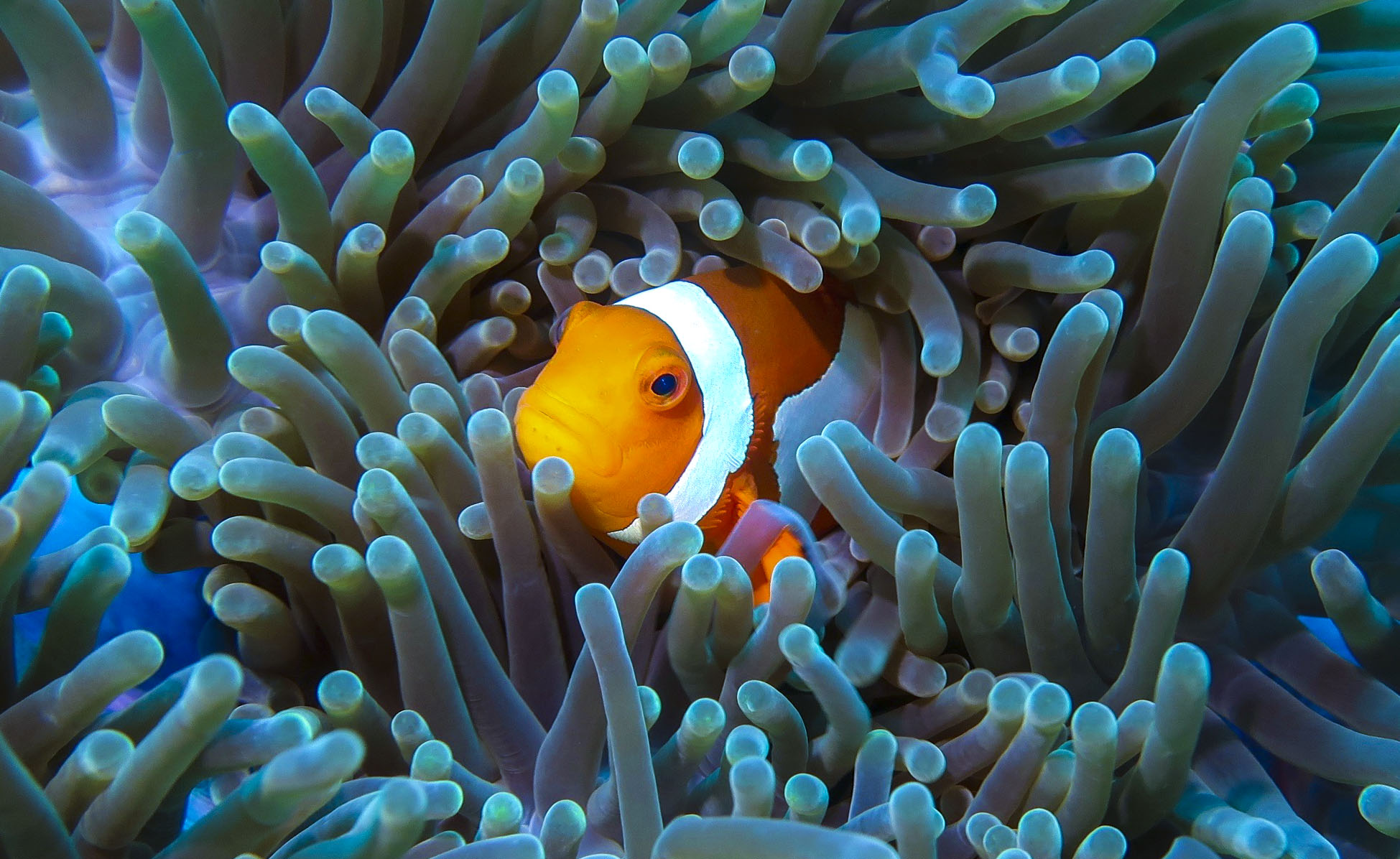
A vibrant, close-up underwater photograph of a bright orange clownfish with a bold white stripe peeking out from the center of a dense sea anemone. The anemone’s thick, tubular tentacles surround the fish, displaying a soft gradient of purplish-brown bodies that tip into a brilliant, glowing turquoise-blue hue at the ends.

© UN World Oceans Day 2020 Photo Competition/Jasmin Pegge | Clownfish burrowing inside a sea anemone

Chapter 6: Pressures

Read more about Chapter 6
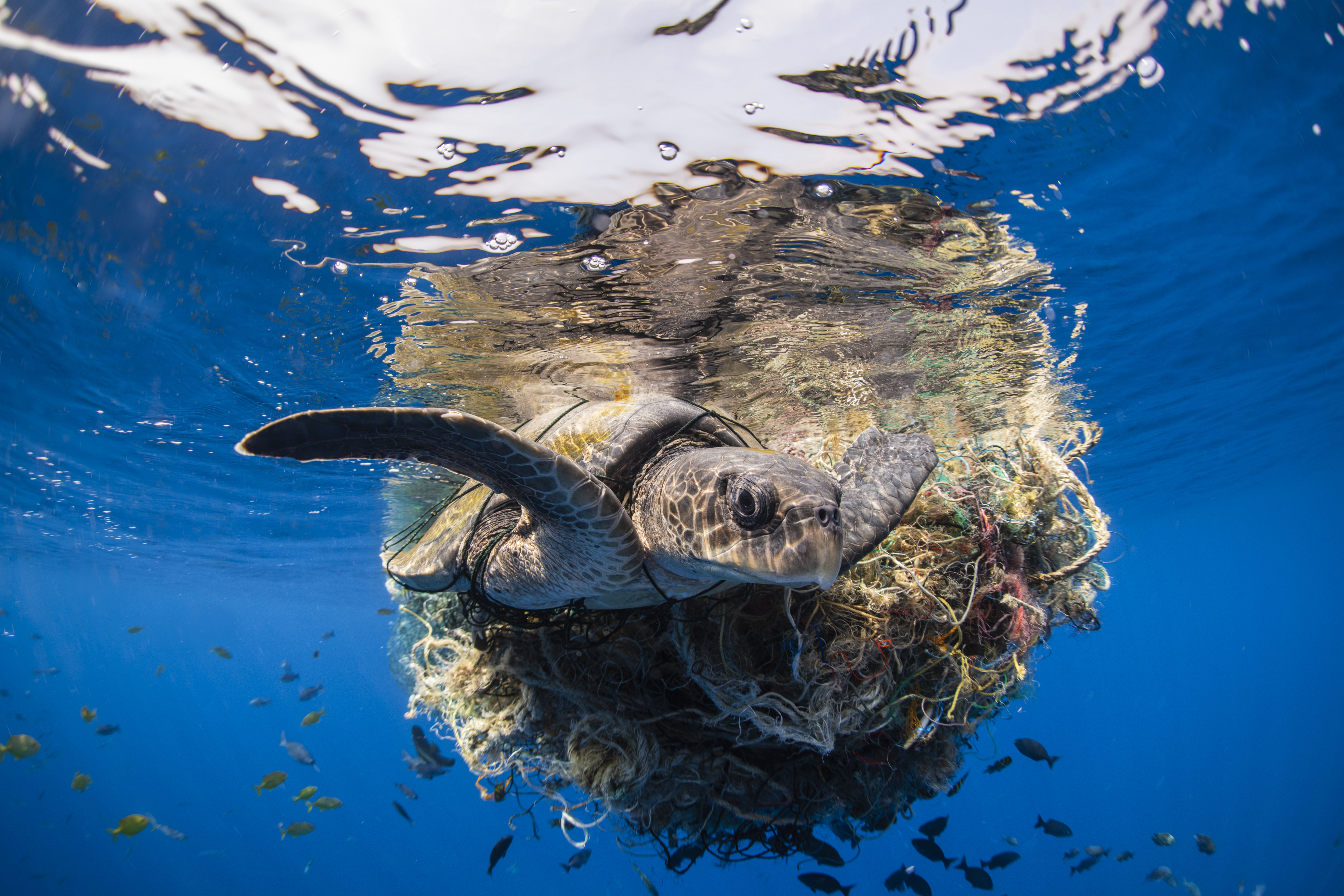
An underwater photograph of a green sea turtle severely entangled in a large, floating ball of multicolored discarded fishing nets. The turtle swims just beneath the water's surface, its reflection visible above, while school of small fish swim in the vibrant blue water surrounding the marine debris.

© UN World Oceans Day 2023 Photo Competition/Simon Lorenz | Entangled Sea Turtle in Sri Lanka