
Recreational fishing
Writing team: Sean Tracey (coordinating author), Robert Arlinghaus, Asta Audzijonyte, Alicia Bugeja Said, Steven J. Cooke, Kátia Meirelles Felizola Freire, Dong-Hun Go, Meaghan Guckian, Kieran Hyder, Eric Okuku (co-lead member), Warren Potts, Pedro Pintassilgo, Karina Ryan and Chang-Ik Zhang (lead member).
Key points
- Marine recreational fishing is a widely practised activity with substantial economic and ecological impacts, especially on coastal ecosystems. Marine recreational fisheries generate billions of dollars annually, particularly in developed nations. The fact that many marine recreational fisheries are not formally recognized creates governance challenges for sustainability.
- Effective management requires addressing data gaps for data-driven management, including integration of socioeconomic factors, fostering stakeholder collaboration and implementing equity-focused management frameworks and integrated governance, and promoting stewardship and compliance through education.
1. Introduction
Recreational fishing, defined as fishing of aquatic animals (mainly fish) that do not constitute the individual's primary resource to meet basic nutritional needs and are not generally sold or otherwise traded on export, domestic or black markets (Food and Agriculture Organization of the United Nations (FAO), 2012), takes place in about three quarters of the world's exclusive economic zones (EEZs) Ref 117. Globally, an estimated 300 million people participate in recreational fishing each year, generating at least $47 billion in expenditure Ref 9 Ref 40. Many recreational fishers engage in both freshwater and marine recreational fisheries, which makes it challenging to estimate the number of marine recreational fishers. One estimate suggests that 121 million people worldwide participate in marine-based recreational fishing Ref 40.
Rates of participation in recreational fishing in countries with reliable statistics average around 10%, translating to approximately 140 million anglers in North America, Europe and Oceania alone Ref 12. However, participation rates do vary significantly by country. More than 40% of Norwegians Ref 12 and 21% of Australians Ref 116 engage in recreational fishing, primarily marine fishing. Other countries, such as Brazil, report lower participation rates (about 1%) Ref 66, but these lower numbers are likely to be influenced by data gaps on recreational fisheries Ref 58. Recreational fishing is the fastest growing fishing subsector in China Ref 56. Similar trends have been observed in other developing countries in Asia and Africa Ref 91, brought about by changing social norms, economic development and tourism Ref 42 Ref 48.
The focus of the present chapter is on marine rather than freshwater recreational fisheries. Integrating marine recreational fisheries into marine fisheries conservation and management is important owing to the ecological impacts of excessive recreational harvest Ref 3 Ref 107, but also in view of the significant social and economic benefits that such fisheries bring to communities and participants Ref 82. Marine recreational fisheries support employment in retail, boating, tourism and related sectors, and offer public health benefits by encouraging outdoor activities and supporting nutritional security Ref 46 Ref 79. In some coastal areas, the economic value of recreational fisheries exceeds that of small-scale commercial fisheries Ref 150. The value of recreational fisheries for individual participants, however, lies in psychosocial benefits, relaxation and access to self-caught fish Ref 127 . Furthermore, marine recreational fisheries foster awareness about conservation issues, strengthening the connection between fishers and marine ecosystems Ref 19 and promoting broader stewardship efforts Ref 143. The socioeconomic and ecological significance of recreational fishing underscores the need for sustainable and scientifically informed management practices in marine environments that take into account the needs, impacts and socioeconomic importance of marine recreational fisheries Ref 82.
Certain marine and coastal aquatic species are exploited either solely by recreational fishers or by both recreational fishers and commercial and customary fisheries Ref 9 Ref 82 Ref 84 Ref 117. Given the large number of people engaged in marine recreational fisheries, the impacts are diverse and include: (a) potentially high harvest rates of fish and other animals, which can reduce population abundance; (b) selective removal of specific species, sizes and genotypes, leading to truncated age and size structures and potential trophic cascades that may affect ecosystem stability, ecological interactions, genetic diversity and adaptive potential; (c) habitat modification and disturbance as a result of trampling, boating, anchoring and bait collection; (d) pollution from lost or discarded fishing gear; and (e) the introduction of invasive species via bait transfer Ref 107. As these impacts vary by location and fishery, local evidence is necessary to better understand the relative importance and consequences of these pressures.
Recreational fisheries are by no means the only source of impact on coastal fish populations. In fact, although comprehensive global assessments are limited, evidence suggests that marine fish populations are generally more heavily affected by industrial commercial fisheries than by recreational fisheries. However, the populations of specific coastal species that are easily targeted may be predominantly harvested by recreational fishers Ref 3 Ref 100. In some cases, such as in Australia and the United States of America, recreational fisheries contribute up to 100% of the harvest for specific coastal fish populations Ref 42 Ref 156.
As the economic situation improves in many countries, motivations for recreational fishing are shifting from food provision to leisure and experience Ref 99. These non-catch benefits (e.g. enjoying nature) mean that recreational fishing effort often remains steady despite declining fish populations, unlike fishing effort in commercial fisheries, which often correlates with stock levels and expected gains Ref 99 Ref 129. Recreational fishing effort surged in many regions during the coronavirus disease (COVID-19) pandemic, though the long-term sustainability of this increase is uncertain Ref 16 Ref 34 Ref 94.
Despite the popularity of marine recreational fishing, reporting marine recreational catch is not required in most countries, with the exception of certain specific species or regions Ref 42. In Brazil, tournament catches must be reported, but compliance remains low. The European Union recently mandated marine recreational catch reporting, though implementation across member States will take years. Consequently, estimates of total marine recreational catches and harvests are highly uncertain. The global Sea Around Us project Ref 64 estimates global marine recreational landings at over 900,000 tons in 2014. Independent estimates suggest annual removals of around 200,000 to 300,000 tons in the United States Ref 5 Ref 48, 350,000 tons in the European Union Ref 82, and some 25,000 to 30,000 tons in Australia Ref 79 and New Zealand Ref 146. The actual catch from recreational fishing is likely to be much higher as some fish are caught and released (Coggins and others, 2007), and the impacts of post-release stress and mortality are likely a significant cause of unaccounted mortality in some fisheries Ref 47.
Catch and release is widely practised: it is estimated that, worldwide, 60% of recreational catches are released Ref 48, although estimates range widely based on country, fishery and species Ref 60 Ref 104. Fishers catch and release either in order to comply with management regulations, such as bag or size limits, or simply by choice, releasing a fish that could be legally harvested Ref 60. The impact of catch-and-release practices is complex, and post-release mortality varies across species depending on factors such as water depth, gear used, fisher behaviour, fish handling times, water temperatures and species biology Ref 36. In addition to direct post-release mortality and barotrauma injuries-which are particularly relevant in deep marine environments-other potential negative impacts of catch and release include hook-related injuries, effects on growth and reproduction, increased predation risk after release, and reduced reproductive success if fish are caught and released during reproductive activities Ref 15. In certain contexts, such as fishing at great depths or in areas with high predation pressure, post- release mortality rates can be extremely high, raising ethical concerns about whether releasing fish could be considered "wasting" fish (Coggins and others, 2007).
As reliance on fishing for food diminishes in more developed nations as a result of changes in the management of recreational fisheries and social norms, release rates are likely to further rise in cultures in which the practice is perceived as a conservation measure that reduces mortality. Alternatively, release rates may decrease where catch and release is viewed as an unethical practice, akin to playing with animals without a purpose-a perspective held in certain individuals and cultures, as in Germany and Switzerland Ref 13. In these countries, only fishing for food is considered morally acceptable, and indeed the primary motivation in many countries for catching fish is for food (e.g. Atlantic cod, Gadus morhua) Ref 35.
Beyond the direct impacts of harvesting and catch-and-release fishing, recreational fishers are often highly selective, targeting the largest specimens and predatory fish Ref 61 Ref 107. They also disproportionately remove more active and bolder fish Ref 25 Ref 97 Ref 140, which may have higher reproductive success and adaptive potential Ref 152. The removal of predatory species based on size and other traits can affect ecosystem trophic structure by changing natural species composition and reducing predatory control Ref 106.
2. Pressures
Over the past decade, changes in the impacts of marine recreational fisheries on ecosystems and fish populations have been driven primarily by: (a) a growing human population, especially in coastal areas (about 15% of the global population currently lives within 10 km of a coast) Ref 49; (b) rapid advances in gear and technology, allowing recreational fishers to detect and target specific species, gain access to previously unreachable areas and use increasingly effective lures and baits Ref 44; and (c) the rise in communication technologies, which facilitate rapid information exchange and are shifting societal norms, with both positive and negative effects on marine ecosystems Ref 44. While the total global estimated marine recreational harvest constitutes only about 1% of total commercial landings, recreational removals are generally concentrated, and its impacts most intense, in narrow bands of coastal areas Ref 42. Given the potential environmental impact of recreational fisheries, sustainability is a growing concern Ref 107. Sustainable practices involve not only ecological but also social and governance-related issues Ref 42 Ref 48 Ref 73.
The cumulative impacts of recreational fishers on marine habitats extend beyond fish harvest and include disturbances from boating, anchoring and shore-based activities. In Australia, for example, there are 900,000 recreational vessels, which is 50 times the number of artisanal and industrial vessels combined. That level of boat ownership is not uncommon in developed countries. Boating activity, including anchor deployment and propellor wash, can locally impact habitats such as reef systems and seagrass beds, though global impacts remain relatively low Ref 106. Shore-based fishing and land- based bait collection can degrade the fragile habitats in which these activities are performed intensely Ref 107.
As is the case for all fisheries, some fishing gear is lost during marine recreational fishing, contributing to the abandoned, lost or otherwise discarded fishing gear problem Ref 166. Overall, the impacts of abandoned, lost or otherwise discarded fishing gear from marine recreational fisheries are considered relatively small when compared with commercial fishing activities as the gear itself is generally small and is not routinely lost Ref 29 Ref 106.
As recreational fishing remains largely unreported and, in many cases, unregulated, it is often overlooked as a component of global fisheries Ref 9. Common regulations include licensing, gear restrictions, spatial and temporal closures, daily catch limits, and size limits. However, total effort and harvest are rarely restricted at the population level, and less popular species often have no size or catch limits. Compliance monitoring is often challenging, especially in remote areas or where recreational fishing effort is relatively low and dispersed, and many recreational fishers may not even be aware of regulatory requirements Ref 67 Ref 160.
To summarize, key sustainability challenges in recreational fisheries include declines in biomass, truncations in fish size and age through harvest, and intensified local fishing efforts that can threaten biodiversity and fish populations and, in extreme cases, lead to trophic cascades (Altieri and others, 2012), Other challenges include the introduction of non-native species via recreational gear, the lack of consideration of recreational fisheries in marine spatial planning and fisheries management Ref 7 Ref 82 Ref 84 and the difficulties of obtaining data required for sustainable management, such as those on recreational catch and discards Ref 68 Ref 93.
Perhaps one of the greatest overarching pressures on marine recreational fisheries that incorporates all of the factors identified above is the shared utilization of coastal regions and the ecosystems and resources that they encompass Ref 18 Ref 121 Ref 123. This theme is consistent with the findings of several other chapters in the present assessment and is explored further from a marine recreational fisheries perspective below under the heading "sustainability pathways".
3. Socioeconomic considerations
Recreational fishing generates extensive social and economic benefits on multiple scales, from individual participants to communities, regions and nations (Parkkila and others, 2004). The concept of value is interpreted variably across disciplines, with Parkkila and others (2004) identifying the psychological, social and economic impacts of fishing, distinguishing between individual benefits (e.g. angler satisfaction or health) and broader economic effects (e.g. regional tourism expenditure). In microeconomic terms, the value of recreational fishing for individuals is often measured as willingness to pay to participate. Meta-analyses have revealed high individual willingness to pay in marine recreational fisheries, with thousands of dollars generated from a single charter trip Ref 90 Ref 168. Recent estimates suggest a total willingness to pay of $11.4 billion for European recreational fisheries alone (Gren and Marbua, 2024). While willingness to pay can quantify some of these benefits, many psychological and social values are difficult to measure Ref 127. Recreational fishers often engage in environmental stewardship (e.g. coastal clean-ups or habitat restoration), participate in management councils or donate tournament catches to charity. Valuing these societal contributions is not straightforward and is rarely done quantitatively.
A macroeconomic perspective focuses on the economic impact, specifically jobs created through recreational fisher expenditures, which are particularly valuable in coastal regions reliant on tourism. In Europe, marine recreational fisheries contribute €10.5 billion and 100,000 jobs, while in the United States, they support $138 billion in sales and 692,000 jobs (Hyder and others, 2018; National Marine Fisheries Service (NMFS), 2024). In Brazil, between 2011 and 2014, marine recreational fishers spent $524 million annually Ref 65. These benefits support local and national economies, especially in rural and coastal areas, through job creation in boat and vehicle manufacturing, fishing tackle, outfitting and tourism industries. The magnitude of the financial benefits generated by recreational fishers can be significant, at times exceeding commercial fishing revenues for certain stocks Ref 125 Ref 141 Ref 150.
However, comparisons between the contributions of recreational and commercial fisheries are difficult and require examining producer and consumer surplus rather than changes in macroeconomic variables Ref 141. Much of the value of recreational fishing is classified as non-market as it is derived from the fishing experience itself, which is not reflected in market prices. Some of this value can be estimated or inferred through travel cost methods, contingent valuation or choice experiments. Long-standing and well-managed recreational fisheries help to preserve local cultures and traditions, support regional economies and support fishers transitioning from non-profitable commercial fisheries. At the same time, in some countries, recreational fisheries that attract tourist trade often face the prospect of foreign ownership, limiting local economic benefits to local communities Ref 130.
For effective consideration of socioeconomics in policy on recreational fisheries, studies must consider how the recreational fishery provides economic benefits to communities where the activity is taking place Ref 131. Traditionally, particularly in underdeveloped communities, most of the money spent by recreational fishers is not retained in the local economy. For example, Butler and others (2020) found that the local community retained less than 10% of the money that foreign recreational fishing tourists spent at a lodge in Angola. When this economic leakage was considered, it was found that the community obtained greater economic benefits if the fish was captured in the artisanal fishery. Similarly, Potts and others (2022) found that less than 10% of the money generated by recreational fishing was retained in low-income households in a South African recreational fishery. They suggested that a whole- of-government approach, which included the identification of hotspots for recreational fisheries tourism, the development of local education and skills, and investment in appropriate infrastructure through public-private partnerships, would be necessary to realise the potential of recreational fisheries to drive social development.
In addition to having limited economic benefits, tourist-based recreational fishing ventures can clash with local communities and small-scale and subsistence fisheries. In such scenarios it is important to consider the cultural, spiritual, economic and nutritional benefits of fisheries to local communities. In the case of Indigenous Peoples that engage in ceremonial or subsistence fishing, they must be viewed as rights holders with priority access to fisheries resources. The boundary between recreational and subsistence fishing can, however, be blurred Ref 124. Given the need to manage fisheries in a cohesive and comprehensive manner, it is essential that fisheries planning extends across sectors and considers not just fish populations and fishery dynamics but also cultural traditions and values, as well as sovereign rights to fish, involving fishers as active participants in decision-making (e.g. via co-management) Ref 11 Ref 43.
From a demographic perspective, recreational fishing is often male-dominated and of limited ethnic diversity, and generally has a higher proportion of older participants Ref 8 Ref 116. The reasons for that skew are unclear and may include barriers related to socialization Ref 6. Some recreational fisheries tend to be limited to those with high disposable income given high entry costs, such as the purchase of a boat and the purchase of fuel, and fisheries targeting large pelagic species, such as tuna or billfish, are one of the most expensive ventures. By contrast, lower- cost shore-based coastal fisheries attract participants from lower socioeconomic backgrounds who often rely on catch to supplement protein consumption Ref 46. Disability inclusion in marine recreational fisheries is less understood Ref 109. There are marine recreational fishery programmes that support recovery from mental health issues and rehabilitation of offenders Ref 21. Ensuring equitable participation remains an opportunity to enhance diversity within the sector.
There is increasing recognition that recreational fisheries must be studied and managed as coupled socioecological systems Ref 10 Ref 98 Ref 145. For example, increasing societal concerns about animal welfare resulted in bans on voluntary catch-and-release practices in Germany and Switzerland. Recreational fishing must therefore foster its social licence by meeting ethical standards, respecting animal welfare, adopting high sustainability and welfare standards Ref 36 and demonstrating environmental responsibility Ref 13.
Community concerns about recreational fishing may also arise from conflicts with other water users, such as swimmers at a beach, for instance when vessel captains do not adhere to no wake zones. Increased marine traffic and the overall utilization of ocean space are matters of growing concern that must be resolved with adequate spatial planning. Marine spatial planning is a process aimed at reducing conflict and managing ocean space in line with economic, social and environmental objectives. Zoning frameworks support this goal in some instances, such as the Great Barrier Reef Marine Park in Australia, where zonation is aimed at balancing recreational fishing with commercial activities, diving and research Ref 149. Such zonation can mitigate some user conflicts but may restrict recreational fisher access, creating further conflict. This problem is most acute in nearshore environments, where there are various forms of recreation, vessel traffic and coastal development. Managing relationships with other users and addressing conflicts over shared water resources will be critical as coastal populations grow and coastal development increases Ref 133.
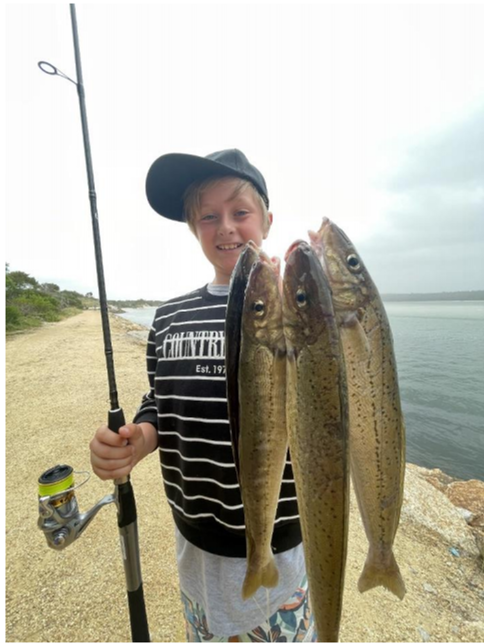
Figure I A young recreational fisher in Australia
4. Sector-relevant governance
The recreational fishing sector's lack of formal recognition is a fundamental concern in fisheries resource governance Ref 9 Ref 73 Ref 81 Ref 131, contributing to overexploitation Ref 48, conflicts with commercial and subsistence fishers Ref 71 Ref 91 Ref 138 and reduced societal benefits from recreational fisheries Ref 73. Despite its importance, only about two thirds of countries mention marine recreational fishing in primary fisheries legislation Ref 131. Barriers to recognition include limited data on recreational fishing participation, catches, biological impacts and socioeconomic importance, as well as a historical bias favouring commercial fisheries (e.g. the European Union Common Fisheries Policy) Ref 73. Where economic value and impact data exist, efforts to compare these metrics with other fisheries often face stakeholder resistance, complicating resource allocation. Even among countries that recognize recreational fisheries, definitions are often unclear or insufficient for legal and management purposes, making it difficult to distinguish between recreational and other small-scale fisheries. Recreational fishers range from affluent, specialized touristic fishers to poorer individuals dependent on fishing for basic nutrition Ref 46 Ref 124, underscoring the need for locally adapted definitions. In some cases, there is a blurred boundary between "recreational" and "traditional" fishers given that the former could represent remnants of what was formerly a commercial small-scale sector. A case in point is the Mediterranean, where a number of individuals from fishing families have resorted to recreational licences to maintain the family tradition because fishing capacity regulations were pushing small enterprises out of business Ref 138.
The lack of data on marine recreational catch and effort and the misalignment of existing data with monitoring and reporting scales across jurisdictions make it difficult to integrate recreational fisheries data into stock assessments and management frameworks Ref 83. There are, however, some emerging examples of integration at various scales Ref 37 Ref 132. This challenge is particularly pressing for those stocks for which recreational fishing is a significant cause of mortality Ref 74.
Assessment methods are chosen on the basis of data availability, from data-poor (catch, effort, length) to data-rich (catch, abundance index, age/length composition) Ref 80 Ref 101 Ref 134. Methods for the integration of data on marine recreational fisheries include catch-only models for species such as Baltic northern pike (Esox lucius) and Norway lobster (Nephrops norvegicus) Ref 159 Ref 173 and integrated models for snapper and grouper stocks Ref 170 and European sea bass (Dicentrarchus labrax) Ref 164, with some models factoring in environmental variability Ref 167.
Incorporating marine recreational fisheries data into stock assessments helps to refine the determination of the total allowable catch, which guides sustainable harvest strategies Ref 63 Ref 77 and allocation among sectors (National Academies of Sciences, Engineering and Medicine, 2024). In addition, management strategy evaluation can be used to explore how regulatory changes, such as hook size, minimum length and harvest slot limits, affect recreational harvests, as was done for red snapper in the Gulf of Mexico Ref 27 Ref 69. In some jurisdictions, fisheries legislation takes into account biological, social and economic factors, prioritizing sustainable yields, equitable catch allocation and socioeconomic benefits Ref 154, as exemplified by European sea bass management Ref 38.
In the European Union, the data collection framework now requires some marine recreational fisheries data, with specific quota allocations (e.g. for bluefin tuna) and bag limits (e.g. for dolphinfish). However, the Common Fisheries Policy's focus on commercial objectives, such as maximum sustainable yield, does not align well with recreational fisheries Ref 73, the aim of which is often to maximize fisher satisfaction, which may require maintaining biomass levels above those typically associated with maximum sustainable yield Ref 24 Ref 89. Harmonized objectives that recognize the social and experiential goals of recreational fisheries are therefore essential for effective management Ref 73.
Tensions are common in fisheries that are targeted by both the recreational and commercial sectors, especially in cases where stocks are declining. In some countries (e.g. Australia, New Zealand and the United States), "explicit allocation" of catch shares-assigning fixed portions of total allowable catch based on historical data- can mitigate conflicts, but the use of historical data may also create conflict if either sector is in a growth phase or the historical representation of recreational catch share is inaccurate Ref 23 Ref 115. Elsewhere, allocation is implicit, with management measures indirectly influencing catch distribution. This lack of transparency can hinder balanced societal benefits, as seen with European species such as sea bass and western Baltic cod Ref 81. A transparent and consistent approach to explicitly allocating catch shares to recreational and commercial fisheries, taking into account both social and economic objectives and benefits, is necessary Ref 81, but currently not in place in most countries.
Socioecological systems perspectives and economic valuation can be used to implement such an approach and have been applied to some recreational fisheries Ref 10. Adaptive approaches are flexible and involve stakeholders rather than being top-down, but there are challenges in representing socioecological feedback processes and external drivers of changes that are beyond the control of fisheries managers. Other constraints to implementing an adaptive governance framework involve defining and representing multiple objectives that account for social, ecological and economic factors and that go beyond traditional objectives such as maximum sustainable yield or fisheries reference points. For example, if objectives were to focus on maximizing the economic value of all sectors of fisheries instead of just maximum sustainable yield, and related fisheries reference points Ref 9. However, establishing such systems would place even greater demands on data. It would also involve difficult negotiations about objectives and performance criteria, which are well beyond the current capabilities of most fisheries governance systems.
Only about one third of national fisheries policies support co-management in recreational fisheries, which is essential for stakeholder collaboration, sustainable resource use, compliance and local knowledge integration Ref 57 Ref 131. Co-management is challenging in recreational fisheries due to the diversity and fragmented organization of recreational fishers. Angler management organizations can facilitate stakeholder integration in management processes by sharing management responsibilities and fostering outreach Ref 9, especially if they are broadly representative and independently funded.
Whatever mechanism is applied to manage recreational fisheries, success depends on minimizing non- compliance Ref 20. Non-compliance may be unintentional or intentional. Marine recreational fisheries regulations vary widely, from permit systems to spatial and temporal closures. Compliance is a critical determinant of regulatory success, though only 11% of surveyed countries reported effective compliance Ref 131. Non-compliance is challenging to estimate as it requires data from within regulatory frameworks, often collected through covert operations Ref 17 Ref 30. Many jurisdictions have implemented enforcement programmes and legal frameworks with punitive measures to address non-compliance Ref 118. Since these approaches have not been universally effective Ref 30, there is growing recognition that normative approaches may be more suitable and cost-effective for regulating deliberate non-compliance and improved education for addressing unintentional non-compliance Ref 14 Ref 32 Ref 110.
Normative approaches may prove to be more effective and cost-efficient to regulate all non-compliance when compared with punitive measures Ref 32 Ref 110. Many jurisdictions are launching education and awareness campaigns to improve fishers' knowledge and support for fisheries regulations Ref 108 and sector-led stewardship initiatives are also becoming more common. Social norms and networks significantly influence fisher behaviour and can promote accountability and sustainable recreational fishing, whereby fishers accept the need and value of managing their own catch Ref 14 Ref 45. Social dynamics, especially within organized clubs, on social media and through ambassadors, drive adherence to sustainable practices. Recalibration of social norms through word of mouth and social media networks can be highly effective Ref 2, particularly if those who are sharing the message are highly respected among the target audience. When existing social norms are unsustainable or additional information (i.e. scientific evidence) suggests a need for change, localized interventions that leverage normative influence have the potential to incentivize behavioural change and seed new norms Ref 2 Ref 32 Ref 54 Ref 110.
Effective examples of educating fishers on best practices to account for post-release mortality include programmes such as Keep Fish Wet Ref 54 and Tuna Champions Ref 155, developed collaboratively by scientists, managers and angling leaders. Other efforts have focused on habitat restoration (e.g. OzFish) and broader sector-led contribution to sustainable fisheries Ref 26. Once a critical majority has adopted the desired behaviour, social dynamics and pressures (e.g. interpersonal communication, modelling) can trigger widespread shifts, eventually tipping fisheries towards more sustainable outcomes Ref 155.
5. Sustainability pathways
Marine recreational fisheries are intrinsically linked to ecological assets in the marine ecosystem as fish abundance is closely tied to habitats that are affected by aquaculture, commercial fishing, marine parks, port activities, shipping and offshore energy infrastructure Ref 102 Ref 158. As interest grows in the blue ocean economy, with both its potential impacts and benefits for recreational fishing Ref 148, future marine governance will require integrated planning across multiple sectors, agencies and jurisdictions Ref 96 Ref 148 Ref 172. In the lead-up to 2030 and beyond, recognizing diverse stakeholder needs, including those of marine recreational fishers, is essential for effective marine spatial planning, particularly in the recreational fishing sector, which offers substantial cultural, social and economic benefits Ref 81 as well as health, well-being and food security advantages Ref 53. Integrating recreational fishing into marine spatial planning frameworks would promote social equity and acknowledge its interconnectedness with tourism and conservation Ref 123 Ref 163. That process starts by acknowledging that marine recreational fishers are an important stakeholder with a seat at the table and that their benefits extend well beyond just leisure Ref 9 Ref 73. Engaging stakeholders through public consultations, advisory committees and workshops ensures that fishers' unique perspectives are considered, which will ultimately lead to effective zoning and other regulations that support responsible practices Ref 28. This collaborative approach fosters sustainability in marine ecosystems and encourages stewardship among recreational fishers Ref 57, and should be a priority for implementation in order to successfully achieve more sustainable oceans by 2050 Ref 95. Implementation will require not only significant change through transformative global governance and political will but also an understanding of the values of recreational fishing beyond economic return Ref 9 Ref 73.
As marine recreational fisheries typically occur alongside commercial fisheries, there is a critical need for robust data on recreational fisheries to support sustainable practices and sector access Ref 23 Ref 112. Unlike for commercial fisheries, mandatory reporting for recreational fishing is rare. Most surveys are voluntary and have a vital role in informing fisheries assessments and management (Fisheries and Oceans Canada (DFO), 2015; Ryan and others, 2016, 2019; Tracey and others, 2022). Survey sampling methods should be probability-based and designed to minimize uncertainty and biases, making the data suitable for broader inferences Ref 147 Ref 162. However, survey errors from declining response rates and lower landline usage pose challenges Ref 31 Ref 153. Addressing these challenges and increasing the recreational fisher's self-motivation to provide data is critical to maintaining data quality and reliability (Lewin and others, 2023).
Technological innovations are essential for improving data collection and promoting sustainable fishing practices Ref 44 Ref 103. Global navigation satellite system-enabled devices and digital platforms, such as mobile apps and social media, allow fishers to record their activities in near-real time, providing data on fishing effort, catch, species distribution, environmental conditions and habitat quality Ref 33 Ref 161. These tools support data accuracy, reduce biases Ref 51 Ref 88 and facilitate the sharing of information on fishing regulations, conservation initiatives and responsible fishing practices.
Successfully realizing the potential of technology platforms to accurately and precisely record and collate recreational catch and effort data by 2030 will be essential to effective stock assessment and appropriate and recognized resource-sharing, through either direct sector allocations or more dynamic management mechanisms, which may be just over the horizon Ref 161. By 2050, all sources of mortality will need to be identified, and communities and sectors will need to understand and accept their impacts and the role that they play in maintaining and fostering a vibrant ocean Ref 22 Ref 95 Ref 114.
Advanced technologies, such as remote cameras, computer vision and aerial and underwater drones, further enable in-situ monitoring of fishing activities, species populations and habitats. These innovations allow for the assessment of fishing pressure and fish behaviour patterns, which can be integrated into existing monitoring programmes Ref 62 Ref 78 Ref 103 Ref 144. At the same time, digital reporting methods require survey errors to be evaluated and non-probability sampling biases to be addressed in order to ensure representative and unbiased data collection Ref 75.
Novel survey designs and statistical approaches, including probability sampling, are being developed to improve data quality and reduce costs Ref 59 Ref 139. The integration of these technologies into monitoring programmes is supported by appropriate governance frameworks for data collection, storage and dissemination, fostering responsible fishing and data-driven conservation efforts Ref 4 Ref 86.
As the recreational fishing community is large, harnessing the power of people through an scientific community-accepted and output-focused "citizen science" programme should be a priority in the lead-up to 2030 Ref 76 Ref 95 Ref 169. Focus should be placed on how to collect data that are of use and relevance to the successful management of marine resources Ref 9 Ref 111. The active involvement of fishers is essential for collecting data on and monitoring marine recreational fisheries. Effective data collection requires frameworks that support fisher engagement, encouraging individuals to share fishing activity data with researchers, who then provide aggregated insights back to the community Ref 85. Data collected can be informative and can be used as the basis for, or as a supplement to, a range of scientific studies Ref 72 Ref 151. Increased engagement between researchers and fishers-"inform", "consult", "involve", "collaborate" and "empower"-enhances fisheries management by fostering a cooperative approach between management and research agencies and fishing communities Ref 87 Ref 113. This involvement improves stewardship, promotes responsible fishing practices and supports conservation efforts Ref 128 Ref 143. Integrating local knowledge with scientific methods offers a more holistic approach to fisheries management, enabling adaptive frameworks that respond effectively to fish population changes and marine spatial planning needs Ref 39.
Transdisciplinary governance, whereby fishers, scientists and policymakers co-develop solutions, has facilitated practical approaches to fisheries management Ref 138. Such collaboration also builds community resilience, supporting sustainable fisheries and healthy ecosystems. Recognizing the impact of habitat degradation on fisheries productivity, communities worldwide have initiated habitat restoration projects, including seagrass Ref 1 Ref 126 and oyster reefs Ref 52 Ref 70. These efforts align with the United Nations Decade on Ecosystem Restoration (2021-2030), under which the restoration of coastal and ocean habitats that are vital for fisheries and tourism sectors is prioritized Ref 165 Ref 171.
6. Conclusions
Marine recreational fishing is a popular activity performed within a large fraction of the world's EEZs, with significant economic and ecological implications, particularly for coastal ecosystems. Marine recreational fisheries generate billions annually, especially in developed countries, supporting local communities through job creation and encouraging marine stewardship. Despite these benefits, marine recreational fishers are not considered key stakeholders everywhere and the activity itself raises sustainability concerns in connection with overfishing, catch-and-release mortality, habitat disturbance, pollution and invasive species introduction, as well as conflicts with other fisheries sectors and conservation groups. The rising fishing pressure, fuelled by technological advancements and urbanization, often lacks effective regulation, recreational fishing might pressure stocks already declining from commercial fishing and there is a lack of comprehensive data reporting and regulation, especially in remote areas.
Ecosystem-based fisheries management and marine spatial planning are aimed at balancing the needs of recreational and commercial fishing sectors and other interests (e.g. conservation) while promoting sustainable practices. These frameworks emphasize data reliability, transparent catch allocation and fishing regulations such as spatial closures, but also concerns about equity, access and infrastructure. In many areas, existing management systems have been developed for commercial fisheries, meaning that recreational fisheries can be at best inappropriately regulated and at worst marginalized. There is a need for global governance systems that consider the objectives and benefits of all sectors involved in fishing, including marine recreational fisheries, which are often overlooked or marginalized Ref 9. However, such management is hindered by data collection gaps, poor capacity, incomplete governance and legislation, inconsistent objectives and regulations, regional differences in culture and governance, and competition over resources between commercial and recreational sectors, as well as access conflicts involving Indigenous communities.
Integrating information on marine recreational fisheries into stock assessments and management strategies is essential, yet operational objectives, data quality and performance metrics that go beyond simple management of yield and instead consider full recreational fisheries benefits are lacking. Co-management and adaptive approaches encourage collaboration among stakeholders, fostering conservation and sustainable resource use. Advanced digital tools and community science initiatives can enhance data collection and promote sustainable fishing practices. In addition, social equity issues, including gender and racial participation barriers, and environmental concerns such as lost gear, present challenges to the social licence of marine recreational fisheries.
To support sustainable marine recreational fisheries, new frameworks must address ecological, economic and social aspects, including improved regulatory compliance, cost recovery models, data integration and mechanisms to promote social development. Effective marine spatial planning, combined with fisher engagement in monitoring, can ensure the long-term viability of marine recreational fisheries and ecosystem sustainability by aligning management with biological, social and economic goals, so that marine recreational fisheries can be a flourishing component of sustainable ocean use into the future.
Acknowledgements
Robert Arlinghaus received support via the Federal Ministry of Research, Technology and Space of Germany through the marEEchange project (1LC2326D).
References
- Adams, D., and others (2024). Range expansion and population shifts of estuarine fishes in a changing subtropical estuary. Marine Ecology Progress Series, vol. 728: 221-238.
- Allison, C., and others (2023). Can social media platforms be used to foster improved environmental behaviour in recreational fisheries? Fisheries Research, vol. 258: 106544.
- Altieri, A.H., and others (2012). A trophic cascade triggers collapse of a salt-marsh ecosystem with intensive recreational fishing. Ecology, vol. 93(6): 1402-1410.
- Andrachuk, M., and others (2019). Smartphone technologies supporting community-based environmental monitoring and implementation: a systematic scoping review. Biological Conservation, vol. 237: 430- 442.
- Andrews, W.R., and others (2018). A Comparison of Recall Error in Recreational Fisheries Surveys with One- and Two-Month Reference Periods. North American Journal of Fisheries Management, vol. 38(6): 1284-1298.
- Arlinghaus, R. (2024). Catch uncertainty and recreational fishing attraction: Propositions and future research directions. Fish and Fisheries, vol. 25(5): 761-780.
- Arlinghaus, R., and others (2023). A synthesis of a coastal northern pike (Esox lucius) fishery and its social-ecological environment in the southern Baltic Sea: Implications for the management of mixed commercial-recreational fisheries. Fisheries Research, vol. 263: 106663.
- Arlinghaus, R., and others (2021). Global Participation in and Public Attitudes Toward Recreational Fishing: International Perspectives and Developments. Reviews in Fisheries Science & Aquaculture, vol. 29(1): 58-95.
- Arlinghaus, R., and others (2019). Opinion: Governing the recreational dimension of global fisheries. Proceedings of the National Academy of Sciences, vol. 116(12): 5209.
- Arlinghaus, R., and others (2017). Understanding and Managing Freshwater Recreational Fisheries as Complex Adaptive Social-Ecological Systems. Reviews in Fisheries Science & Aquaculture, vol. 25(1): 1-41.
- Arlinghaus, R., and others (2016). Recommendations for the future of recreational fisheries to prepare the social-ecological system to cope with change. Fisheries Management and Ecology, vol. 23(3-4): 177- 186.
- Arlinghaus, R., and others (2015). Explaining participation rates in recreational fishing across industrialised countries. Fisheries Management and Ecology, vol. 22(1): 45-55, 2015.
- Arlinghaus, R., and others (2012). A Primer on Anti-Angling Philosophy and Its Relevance for Recreational Fisheries in Urbanized Societies. Fisheries, vol. 37(4): 153-164.
- Arlinghaus, R., and others (2010). Providing context to the global code of practice for recreational fisheries. Fisheries Management and Ecology, vol. 17(2): 146-156.
- Arlinghaus, R., and others (2007). Understanding the complexity of catch-and-release in recreational fishing: an integrative synthesis of global knowledge from historical, ethical, social, and biological perspectives. Reviews in Fisheries Science, vol. 15(1-2): 75-167.
- Audzijonyte, A., and others (2023). High-resolution app data reveal sustained increases in recreational fishing effort in Europe during and after COVID-19 lockdowns. Royal Society Open Science, vol. 10(7): 230408.
- Ban, N.C., and others (2022). Decrease in recreational fisher compliance during the COVID-19 pandemic: the case of Rockfish Conservation Areas. ICES Journal of Marine Science, vol. 79(8): 2277- 2285.
- Barbier, E.B., and others (2011). The value of estuarine and coastal ecosystem services. Ecological Monographs, vol. 81(2): 169-193.
- Barnett, A., and others (2016). Sportfisheries, conservation and sustainable livelihoods: a multidisciplinary guide to developing best practice. Fish and Fisheries, vol. 17(3): 696-713.
- Battista, W., and others (2018). Behavior Change Interventions to Reduce Illegal Fishing. Frontiers in Marine Science, vol. 5.
- Bennett, J.L., and others (2017). Outcomes of a Therapeutic Fly-Fishing Program for Veterans with Combat-Related Disabilities: A Community-Based Rehabilitation Initiative. Community Mental Health Journal, vol. 53(7): 756-765.
- Bennett, N.J., and others (2018). Environmental Stewardship: A Conceptual Review and Analytical Framework. Environmental Management, vol. 61(4): 597-614.
- Bess, R., and Rallapudi, R. (2007). Spatial conflicts in New Zealand fisheries: The rights of fishers and protection of the marine environment. Marine Policy, vol. 31(6): 719-729.
- Birdsong, M., and others (2021). Recreational angler satisfaction: What drives it? Fish and Fisheries, vol. 22(4): 682-706.
- Biro, P.A., and Post, J.R. (2008). Rapid depletion of genotypes with fast growth and bold personality traits from harvested fish populations. Proceedings of the National Academy of Sciences of the United States of America, vol. 105(1091-6490 (Electronic)): 2919-2922.
- Black, C. (2023). Restoring Australia's vital seagrass meadows through community efforts. Australasian Plant Conservation: Journal of the Australian Network for Plant Conservation, vol. 31(4): 10-12.
- Bohaboy, E.C., and others (2022). A simulation framework to assess management trade-offs associated with recreational harvest slots, discard mortality reduction, and bycatch accountability in a multi-sector fishery. Fisheries Research, vol. 250: 106268.
- Bonsu, P.O., and others (2024). Co-location of fisheries and offshore wind farms: Current practices and enabling conditions in the North Sea. Marine Policy, vol. 159: 105941.
- Bornt, K., and others (2023). Plastic gear loss estimates from a major Australian pot fishery. ICES Journal of Marine Science, vol. 80(1): 158-172.
- Bova, C.S., and others (2024). Tools for assessing recreational fisheries compliance-an underappreciated yet essential component of management. Reviews in Fish Biology and Fisheries.
- Bova, C.S., and others (2018). Limitations of the random response technique and a call to implement the ballot box method for estimating recreational angler compliance using surveys. Fisheries Research, vol. 208: 34-418.
- Bova, C.S., and others (2017). Assessing a social norms approach for improving recreational fisheries compliance. Fisheries Management and Ecology, vol. 24(2): 117-125.
- Bradley, D., and others (2019). Opportunities to improve fisheries management through innovative technology and advanced data systems. Fish and Fisheries, vol. 20(3): 564-583.
- Britton, J.R., and others (2023). Global responses to the COVID-19 pandemic by recreational anglers: considerations for developing more resilient and sustainable fisheries. Reviews in Fish Biology and Fisheries, vol. 33(4): 1095-1111.
- Bronnmann, J., and others (2023). Willingness to pay for harvest regulations and catch outcomes in recreational fisheries: A stated preference study of German cod anglers. Fisheries Research, vol. 259: 106536.
- Brownscombe, J.W., and others (2017). Best practices for catch-and-release recreational fisheries - angling tools and tactics. Fisheries Research, vol. 186: 693-705.
- Carruthers, T.R., and others (2014). Evaluating methods for setting catch limits in data-limited fisheries. Fisheries Research, vol. 153: 48-68.
- Cevenini, F., and others (2023). Assessing the welfare impacts of changes in recreational fisheries management: A modelling approach for European sea bass. Marine Policy, vol.148: 105408, 2023.
- Chollett, I., and others (2022). Toward a better use of fisheries data in spatial planning. Fish and Fisheries, vol. 23(5): 1136-1149.
- Cisneros-Montemayor, A.M., and Sumaila, U.R. (2010). A global estimate of benefits from ecosystem- based marine recreation: potential impacts and implications for management. Journal of Bioeconomics, vol. 12(3): 245-268.
- Coggins Jr., L.G., and others (2007). Effects of cryptic mortality and the hidden costs of using length limits in fishery management. Fish and Fisheries, vol. 8(3): 196-210.
- Coleman, F.C., and others (2004). The Impact of United States Recreational Fisheries on Marine Fish Populations. Science, vol. 305(5692): 1958-1960.
- Cooke, S.J., and others (2023). Towards vibrant fish populations and sustainable fisheries that benefit all: learning from the last 30 years to inform the next 30 years. Reviews in Fish Biology and Fisheries, vol. 33(2): 317-347.
- Cooke, S.J., and others (2021). Technological innovations in the recreational fishing sector: implications for fisheries management and policy. Reviews in Fish Biology and Fisheries, vol. 31(2): 253-288.
- Cooke, S.J., and others (2019). Searching for responsible and sustainable recreational fisheries in the Anthropocene. Journal of Fish Biology, vol. 94(6): 845-856.
- Cooke, S.J., and others (2018). The nexus of fun and nutrition: Recreational fishing is also about food. Fish and Fisheries, vol. 19(2): 201-224.
- Cooke, S.J., and Suski, C.D. (2005). Do we need species-specific guidelines for catch-and-release recreational angling to effectively conserve diverse fishery resources? Biodiversity & Conservation, vol. 14(5): 1195-1209.
- Cooke, S.J., and Cowx, I.G. (2004). The Role of Recreational Fishing in Global Fish Crises. Bioscience, vol. 54(9): 857-859.
- Cosby, A.G., and others (2024). Accelerating growth of human coastal populations at the global and continent levels: 2000-2018. Scientific Reports, vol. 14(1): 22489.
- Cowx, I., and others. Harmonizing recreational fisheries and conservation objectives for aquatic biodiversity in inland waters. Journal of Fish Biology, vol. 76(9): 2194-2215.
- Crandall, C.A., and others (2018). How to Bait the Hook: Identifying What Motivates Anglers to Participate in a Volunteer Angler Data Program. Fisheries, vol. 43(11): 517-526.
- Crawford, C., and others (2020). Relationship of biological communities to habitat structure on the largest remnant flat oyster reef (Ostrea angasi) in Australia. Marine and Freshwater Research, vol. 71(8): 972- 983.
- Curran, K., and others (2023). Humanizing marine spatial planning: A salutogenic approach. Marine Policy, vol. 154: 105660.
- Danylchuk, A.J., and others (2018). Keepemwet Fishing - An emerging social brand for disseminating best practices for catch-and-release in recreational fisheries. Fisheries Research, vol. 205: 52-56.
- DFO (2015). Evaluation of the Internet Recreational Effort and Catch (iREC) Survey methods. DFO Can. Sci. Advis. Sec. Sci. Advis. Rep. 2015/059.
- Ding, Q., and others (2021). Dynamic evolution analysis of recreational fisheries development in China. Fisheries Management and Ecology, vol. 28(4): 305-316.
- Ehrlich, E., and others (2023). Co-designing management recommendations with stakeholders: A case study about northern pike (Esox lucius) in the southern Baltic Sea. Fisheries Research, vol. 263: 106687.
- FAO (2012). Technical Guidelines for Responsible Fisheries: Recreational Fisheries. No. 13. Rome.
- Ferter, K. and others (2023). Integrating complementary survey methods to estimate catches in Norway's complex marine recreational hook-and-line fishery. ICES Journal of Marine Science, vol. 80(1): 107-121.
- Ferter, K., and others (2013). Unexpectedly high catch-and-release rates in European marine recreational fisheries: implications for science and management. ICES Journal of Marine Science, vol. 70(7): 1319- 1329.
- Flink, H., and others (2024). Recreational fisheries selectively capture and harvest large predators. Fish and Fisheries, vol. 25(5): 793-805.
- Flynn, D.J.H., and others (2018). Gigapixel big data movies provide cost-effective seascape scale direct measurements of open-access coastal human use such as recreational fisheries. Ecology and Evolution, vol. 8(18): 9372-9383.
- Fowler, A.M., and others (2023). Toward sustainable harvest strategies for marine fisheries that include recreational fishing. Fish and Fisheries, vol. 24(6): 1003-1019.
- Freire, K.M.F., and others (2020). Estimating Global Catches of Marine Recreational Fisheries. Frontiers in Marine Science, vol. 7.
- Freire, K.M.F., and Sumaila, R.U. (2019). Economic potential of the Brazilian marine recreational fishery. Boletim Do Instituto De Pesca, vol. 45(1): e412.
- Freire, K.M.F., and others (2016). Brazilian recreational fisheries: current status, challenges and future direction. Fisheries Management and Ecology, vol. 23(3-4): 276-290.
- Freire, K.M.F., and others (2012). Overview of Inland Recreational Fisheries in Brazil. Fisheries, vol. 37(11): 484-494.
- Garibaldi, L. (2012). The FAO global capture production database: A six-decade effort to catch the trend. Marine Policy, vol. 36(3): 760-768.
- Garner, S.B., and others (2020). Simulating effects of hook-size regulations on recreational harvest efficiency in the northern Gulf of Mexico red snapper fishery. Fisheries Research, vol. 228: 105561.
- Gillies, C.L., and others (2020). Conservation status of the Oyster Reef Ecosystem of Southern and Eastern Australia. Global Ecology and Conservation, vol. 22: e00988.
- Gómez, S., and others (2021). Cultural heritage and environmental ethical values in governance models: Conflicts between recreational fisheries and other maritime activities in Mediterranean marine protected areas. Marine Policy, vol. 129: 104529.
- Graba-Landry, A., and others (2023). Citizen science aids the quantification of the distribution and prediction of present and future temporal variation in habitat suitability at species' range edge. Frontiers of Biogeography, vol. 15.1(e58207): 1-22.
- Grati, F., and others (2024). Effective governance of marine recreational fisheries in Europe is needed to maximize the societal benefits of its fisheries. ICES Journal of Marine Science: fsae169.
- Griffiths, S.P., and Fay, G. (2015). Integrating recreational fisheries data into stock assessment: implications for model performance and subsequent harvest strategies. Fisheries Management and Ecology, vol. 22(3): 197-212.
- Gundelund, C., and others (2021). Evaluation of a citizen science platform for collecting fisheries data from coastal sea trout anglers. Canadian Journal of Fisheries and Aquatic Sciences, vol. 78(11): 1576- 1585.
- Gundelund, C., and others (2020). Insights into the users of a citizen science platform for collecting recreational fisheries data. Fisheries Research, vol. 229.
- Harford, W.J., and others (2021). Multi-Indicator Harvest Strategies for Data-Limited Fisheries: A Practitioner Guide to Learning and Design. Frontiers in Marine Science, vol. 8.
- Hartill, B.W., and others (2020). Digital camera monitoring of recreational fishing effort: Applications and challenges. Fish and Fisheries, vol. 21(1): 204-215.
- Henry, G.W., and Lyle, J.M. (2003). The national recreational and indigenous fishing survey. Canberra.
- Hoyle, S.D., and others (2024). Catch per unit effort modelling for stock assessment: A summary of good practices. Fisheries Research, vol. 269: 106860.
- Hyder, K., and others (2020). Marine recreational fisheries - current state and future opportunities. ICES Journal of Marine Science, vol. 77(6): 2171-2180.
- Hyder, K., and others (2018). Recreational sea fishing in Europe in a global context-Participation rates, fishing effort, expenditure, and implications for monitoring and assessment. Fish and Fisheries, vol. 19(2): 225-243.
- ICES (2024). Workshop on Recreational Fisheries in Stock Assessments (WKRFSA; outputs from 2023 meeting).
- Ihde, T.F., and others (2011). The increasing importance of marine recreational fishing in the US: Challenges for management. Fisheries Research, vol. 108(2): 268-276.
- Ison, S., and others (2024). Participatory research in complex marine conservation settings: A review of recent trends and lessons for the future. Ocean & Coastal Management, vol. 253: 107053.
- Johnson, N., and others (2021). The Use of Digital Platforms for Community-Based Monitoring. Bioscience, vol. 71(5): 452-466.
- Johnston, E.M., and others (2024). Participation in collaborative fisheries research improves the perceptions of recreational anglers towards marine protected areas. Frontiers in Marine Science, vol. 11.
- Johnston, F.D., and others (2021). Comparative analyses with conventional surveys reveal the potential for an angler app to contribute to recreational fisheries monitoring. Canadian Journal of Fisheries and Aquatic Sciences, vol. 79(1): 31-46.
- Johnston, F.D., and others (2010). Diversity and complexity of angler behaviour drive socially optimal input and output regulations in a bioeconomic recreational-fisheries model. Canadian Journal of Fisheries and Aquatic Sciences, vol. 67(9): 1507-1531.
- Johnston, R.J., and others (2006). What Determines Willingness to Pay per Fish? A Meta-Analysis of Recreational Fishing Values. Marine Resource Economics, vol.21(1): 1-32, 2006.
- Kadagi, N.I., and Wambiji, N. (2021). Recreational and sport fisheries in the EA, SA & IO region.
- Kadagi, N.I., and others (2021). Ocean safaris or food: characterizing competitive interactions between recreational and artisanal billfish fisheries on the coast of Kenya. Ocean & Coastal Management, vol. 201: 105432.
- Karachle, P.K., and others (2020). Is shore-based recreational fishing in Greece an unregulated activity that increases catch uncertainty? Regional Studies in Marine Science, vol. 36: 101273, 2020.
- Kaz, A.L., and others (2024). Early pandemic recreational fishing patterns across the urban-to-rural gradient in the U.S. Fisheries Research, vol. 276: 107021,.
- Kelly, R., and others (2022). Connecting to the oceans: supporting ocean literacy and public engagement. Reviews in Fish Biology and Fisheries, vol. 32(1): 123-143.
- Kidd, S., and others (2020). Marine Spatial Planning and sustainability: Examining the roles of integration - Scale, policies, stakeholders and knowledge. Ocean & Coastal Management, vol. 191: 105182.
- Klefoth, T., and others (2017). Toward a mechanistic understanding of vulnerability to hook-and-line fishing: Boldness as the basic target of angling-induced selection. Evolutionary Applications, vol. 10(10): 994-1006.
- Kleisner, K.M., and others (2022). Identifying policy approaches to build social-ecological resilience in marine fisheries with differing capacities and contexts. ICES Journal of Marine Science, vol. 79(2): 552- 572.
- Kleiven, A.R., and others (2020). No fear of bankruptcy: the innate self-subsidizing forces in recreational fishing. ICES Journal of Marine Science, vol. 77(6): 2304-2307.
- Kleiven, A.R., and others (2016). Harvest Pressure on Coastal Atlantic Cod (Gadus morhua) from Recreational Fishing Relative to Commercial Fishing Assessed from Tag-Recovery Data. PLoS ONE, vol. 11(3): e0149595.
- Kokkalis, A., and others (2024). Good practices for surplus production models. Fisheries Research, vol. 275: 107010.
- Laubenstein, T., and others (2023). Threats to Australia's oceans and coasts: A systematic review. Ocean & Coastal Management, vol. 231: 106331.
- Lennox, R.J., and others (2022). Digital fisheries data in the Internet age: Emerging tools for research and monitoring using online data in recreational fisheries. Fish and Fisheries, vol. 23(4): 926-940.
- Lennox, R.J., and others (2017). What makes fish vulnerable to capture by hooks? A conceptual framework and a review of key determinants. Fish and Fisheries, vol. 18(5): 986-1010.
- Lewin, W .- C. and others. Potential biases in angler diary data: The impact of the diarist recruitment process on participation rates, catch, harvest, and effort estimates. Fisheries Research, vol.258: 106551, 2023.
- Lewin, W .- C. and others (2019). Potential Environmental Impacts of Recreational Fishing on Marine Fish Stocks and Ecosystems. Reviews in Fisheries Science & Aquaculture, vol. 27(3): 287-330.
- Lewin, W .- C., and others (2006). Documented and Potential Biological Impacts of Recreational Fishing: Insights for Management and Conservation. Reviews in Fisheries Science, vol. 14(4): 305-367.
- Lindley, J., and Quinn, L. (2023). Compliance in recreational fisheries: Case study of two blue swimmer crab fisheries. PLoS One, vol.18: e0279600.
- Lindsay, R.K., and others (2022). Fishing Participation, Motivators and Barriers among UK Anglers with Disabilities: Opportunities and Implications for Green Social Prescribing.
- Mackay, M., and others (2018). When push comes to shove in recreational fishing compliance, think 'nudge'. Marine Policy, vol. 95: 256-266.
- Mackenzie, C.J.A., and Cox, S.P. (2013a). Building legitimacy of the recreational fishing sector in mixed commercial-recreational fisheries. Ocean & Coastal Management, vol. 75: 11-19.
- Mackenzie, C.J.A., and Cox, S.P. (2013b). Building legitimacy of the recreational fishing sector in mixed commercial-rerecreational fisheries. Ocean & Coastal Management, vol. 75: 11-19.
- Mason, J.G., and others (2017). Ocean Research Priorities: Similarities and Differences among Scientists, Policymakers, and Fishermen in the United States. Bioscience, vol. 67(5): 418-428.
- Mathevet, R., and others (2018). The concept of stewardship in sustainability science and conservation biology. Biological Conservation, vol. 217: 363-370.
- McShane, P., and others (2021). Access and allocation in fisheries: The Australian experience. Marine Policy, vol. 132: 104702.
- Moore, A., and others (2023). National Social and Economic Survey of Recreational Fishers 2018-2021. Canberra, Australia.
- Mora, C., and others (2009). Management Effectiveness of the World's Marine Fisheries. PLOS Biology, vol. 7(6): e1000131.
- Moutopoulos, D.K., and others (2020). Mapping fisheries hot-spot and high-violated fishing areas in professional and recreational small-scale fisheries. Aquaculture and Fisheries, vol. 5(5): 265-272.
- National Academies of Sciences, Engineering, and Medicine (2024). Assessing Equity in the Distribution of Fisheries Management Benefits: Data and Information Availability. Washington, D.C., The National Academies Press.
- National Academies of Sciences, Engineering, and Medicine (2021). Data and Management Strategies for Recreational Fisheries with Annual Catch Limits. Washington, D.C., The National Academies Press.
- Navarro, M., and others (2022). Combining spatial ecology and economics to incorporate recreational fishing into marine spatial planning. ICES Journal of Marine Science, vol. 79(1): 147-157.
- NMFS (2024). Fisheries Economics of the United States 2022 ..
- Noble, M.M., and others (2019). Understanding the spatial diversity of social uses, dynamics, and conflicts in marine spatial planning. Journal of Environmental Management, vol. 246: 929-940.
- Nyboer, E.A., and others (2022). Overturning stereotypes: The fuzzy boundary between recreational and subsistence inland fisheries. Fish and Fisheries, vol. 23(6): 1282-1298.
- Oinonen, S., and others (2016). International Fisheries Management and Recreational Benefits: The Case of Baltic Salmon. Marine Resource Economics, vol. 31(4): 433-451.
- Orth, R.J., and others (2020). Restoration of seagrass habitat leads to rapid recovery of coastal ecosystem services. Science Advances, vol.6(41): eabc6434.
- Parkkila, K., and others (2010). Methodologies for assessing socio-economic benefits of European inland recreational fisheries.
- Pita, P., and others (2020). The Use of Recreational Fishers' Ecological Knowledge to Assess the Conservation Status of Marine Ecosystems. Frontiers in Marine Science, vol. 7.
- Post, J.R., and others (2002). Canada's recreational fisheries: the invisible collapse? Fisheries, vol. 27: 6- 15.
- Potts, W.M., and others (2022). Understanding the economic activity generated by recreational fishing in South Africa provides insights on the role of recreational fisheries for social development. Fisheries Management and Ecology, vol. 29(1): 29-43.
- Potts, W.M., and others (2020). What constitutes effective governance of recreational fisheries ?- A global review. Fish and Fisheries, vol. 21(1): 91-103.
- Punt, A.E., and others (2020). Essential features of the next-generation integrated fisheries stock assessment package: A perspective. Fisheries Research, vol. 229: 105617.
- Ramadhan, A., and others (2022). The human dimension dilemma in marine spatial planning. Marine Policy, vol. 146: 105297.
- Rudd, M.B., and others (2021). Catch and Length Models in the Stock Synthesis Framework: Expanded Application to Data-Moderate Stocks. Frontiers in Marine Science, vol. 8.
- Ryan, K.L., and others (2025). Recreational fishers' attitudes to fisheries management and compliance. Marine Policy, In Press.
- Ryan, K.L., and others (2019). Statewide survey of boat-based recreational fishing in Western Australia 2017/18. Western Australia.
- Ryan, K.L., and others (2016). Recreational fisheries data requirements for monitoring catch shares. Fisheries Management and Ecology, vol. 23(3-4): 218-233.
- Said, A., and others (2018). The Contested Commons: The Failure of EU Fisheries Policy and Governance in the Mediterranean and the Crisis Enveloping the Small-Scale Fisheries of Malta. Frontiers in Marine Science, vol. 5.
- Sande, H., and others (2022). Frameless-finding and refining a sampling frame for surveying recreational fisheries: lessons from estimating Swedish harvest of western Baltic cod. ICES Journal of Marine Science, vol. 79(4): 1217-1231.
- Sbragaglia, V., and others (2024). Advancing the understanding of spearfisher-fish behavioural interactions and its management implications. Journal of Applied Ecology, vol. 61(11): 2594-2604.
- Scheufele, G., and Pascoe, S. (2022) Estimation and use of recreational fishing values in management decisions. Ambio, vol. 51(5): 1275-1286.
- Shephard, S., and others (2024). Recreational killing of wild animals can foster environmental stewardship. Nature Sustainability, vol. 7(8): 956-963.
- Shephard, S., and others (2023). Reviving the unique potential of recreational fishers as environmental stewards of aquatic ecosystems. Fish and Fisheries, vol. 24(2): 339-351.
- Signaroli, M., and others (2024). Novel computer vision tools applied to marine recreational fisheries spatial planning. Fisheries Research, vol. 271: 106924.
- Solomon, C.T., and others (2020). Frontiers in modelling social-ecological dynamics of recreational fisheries: A review and synthesis. Fish and Fisheries, vol. 21(5): 973-991.
- Southwick, R., and others (2018). Estimating marine recreational fishing's economic contributions in New Zealand. Fisheries Research, vol.208: 116-123.
- Sparrevohn, C.R., and Storr-Paulsen, M. (2012). Using interview-based recall surveys to estimate cod Gadus morhua and eel Anguilla anguilla harvest in Danish recreational fishing. ICES Journal of Marine Science, vol. 69(2): 323-330.
- Stephenson, R.L., and Hobday, A.J. (2024). Blueprint for Blue Economy implementation. Marine Policy, vol. 163: 106129.
- Stephenson, R.L., and others (2023). Integrating management of marine activities in Australia. Ocean & Coastal Management, vol. 234: 106465.
- Strehlow, H.V., and others (2023). Economic impact of resident and nonresident marine anglers to the local economy in Mecklenburg-Western Pomerania, Germany. Fisheries Management and Ecology.
- Stuart-Smith, J., and others (2018). Southernmost records of two Seriola species in an Australian ocean- warming hotspot. Marine Biodiversity, vol. 48(3): 1579-1582.
- Sutter, D., and others (2012). Recreational fishing selectively captures individuals with the highest fitness potential. Proceedings of the National Academy of Sciences of the United States of America, vol. 109(51): 20960-5 ..
- Teixeira, D., and others (2016). Investigating bias in recreational fishing surveys: Fishers listed in public telephone directories fish similarly to their unlisted counterparts. Fisheries Research, vol. 181: 127-136.
- Tidbury, H.J., and others (2021). Balancing biological and economic goals in commercial and recreational fisheries: systems modelling of sea bass fisheries. ICES Journal of Marine Science, vol. 78(5): 1793- 1803.
- Tracey, S., and others (2023). The role of the recreational fisher in the stewardship of the Southern Bluefin Tuna fishery: Tuna Champions. Hobart, Tasmania.
- Tracey, S.R., and Stark, K.E. (2024). 2022-23 Statewide recreational fishing survey. Hobart.
- Tracey, S.R., and others (2022). Estimating the national fishing mortality of Southern Bluefin Tuna Thunnus maccoyii from Australia's recreational fishing sector. Fisheries Management and Ecology, vol. 29(3): 241-253.
- Turschwell, M.P., and others (2022). A review of support tools to assess multi-sector interactions in the emerging offshore Blue Economy. Environmental Science & Policy, vol. 133: 203-214.
- van Gemert, R., and others (2022). Data-poor stock assessment of fish stocks co-exploited by commercial and recreational fisheries: Applications to pike Esox lucius in the western Baltic Sea. Fisheries Management and Ecology, vol. 29(1): 16-28.
- Venerus, L.A., and Cedrola, P.V. (2017). Review of marine recreational fisheries regulations in Argentina. Marine Policy, vol. 81: 202-210.
- Venturelli, P.A., and others (2017). Angler apps as a source of recreational fisheries data: opportunities, challenges and proposed standards. Fish and Fisheries, vol. 18(3): 578-595.
- Vølstad, J.H., and others (2011). Probability-based surveying using self-sampling to estimate catch and effort in Norway's coastal tourist fishery. ICES Journal of Marine Science, vol. 68(8): 1785-1791.
- Voyer, M., and others (2017). Connections or conflict? A social and economic analysis of the interconnections between the professional fishing industry, recreational fishing and marine tourism in coastal communities in NSW, Australia. Marine Policy, vol. 76: 114-121.
- Walker, N.D., and others (2020). A spatially explicit individual-based model to support management of commercial and recreational fisheries for European sea bass Dicentrarchus labrax. Ecological Modelling, vol. 431: 109179.
- Waltham, N.J., and others (2020). UN Decade on Ecosystem Restoration 2021-2030-What Chance for Success in Restoring Coastal Ecosystems? Frontiers in Marine Science, vol. 7.
- Watson, A.R., and others (2022a). Source, fate and management of recreational fishing marine debris. Marine Pollution Bulletin, vol. 178: 113500,.
- Watson, J.W., and others (2022b). Incorporating environmental variability in a spatially-explicit individual-based model of European sea bass. Ecological Modelling, vol. 466: 109878.
- Whitehead, J.C., and others (2013). A recreation demand model of the North Carolina for-hire fishery: a comparison of primary and secondary purpose anglers. Applied Economics Letters, vol. 20(16): 1481- 1484.
- Whyte, D., and others (2024). Planning for citizen participation in the EU mission to restore our ocean and waters by 2030. Maritime studies, vol. 23(4): 44.
- Williams, E.H., and Shertzer, K.W. (2024). Estimating catch within integrated stock assessments: Distinguishing truth from error in sparse-spike data. Fisheries Research, vol. 274: 106994.
- Young, T.P., and Schwartz, M.W. (2019). The Decade on Ecosystem Restoration is an impetus to get it right. Conservation Science and Practice, vol. 1(12): e145.
- Zaucha, J., and Gee, K. (2019). Maritime Spatial Planning: past, present, future, Maritime Spatial Planning.
- Zimmermann, F., and others (2021). Inclusion of recreational fishing in data-limited stocks: a case study on Norway lobster (Nephrops norvegicus) in Norway. Canadian Journal of Fisheries and Aquatic Sciences, vol. 79(6): 969978.