
Pollution
Writing team: Ralf Ebinghaus, Francois Galgani, Colin Moffat, Alan Simcock and Lars Sonesten (coordinating authors), Kwasi Appeaning Addo (co-lead member), Chinenye Aja-Nwachuku, Maria João Bebianno (lead member), Kwang-Sik Choi, Christos Ioakeimidis, Atsuhiko Isobe, Ibrahim Issifu, Laurent Lebreton, Rainer Lohmann, Thomas Maes, Benjamin Osei Botwe, Helena Reinardy, Vanessa Sarah Salvo, Paula Sobral, Diana Souza Moura, Alexander Turra, Dao Van Hien, Judith Weis, Stefanie Werner, Zhiyong Xie and Shiye Zhao.
Key points
- Chemicals and other materials from land-based sources continue to impact ocean ecosystems.
- There has been a decline in mercury emissions and precipitation, along with reductions in emissions to air of some organic compounds, in certain regions.
- Growing demand for non-carbon electricity has resulted in an increased reliance on nuclear power, which is likely to lead to higher radioactive discharges.
- Persistent organic pollutants (POPs) continue to impact all ocean regions, including polar regions and the deep sea, as well as coastal marine ecosystems.
- Toxicity studies indicate that pharmaceuticals and personal care products (PPCPs) have significant adverse effects on marine organisms, including behavioural changes in fish, invertebrates and algae.
- Global plastic waste emissions continue to rise, with substantial leakage due to mismanaged waste, microplastic abrasion and loss, littering and marine activities. These plastics, especially microplastics, impact all marine ecosystems, with over 4,000 species affected.
1. Introduction
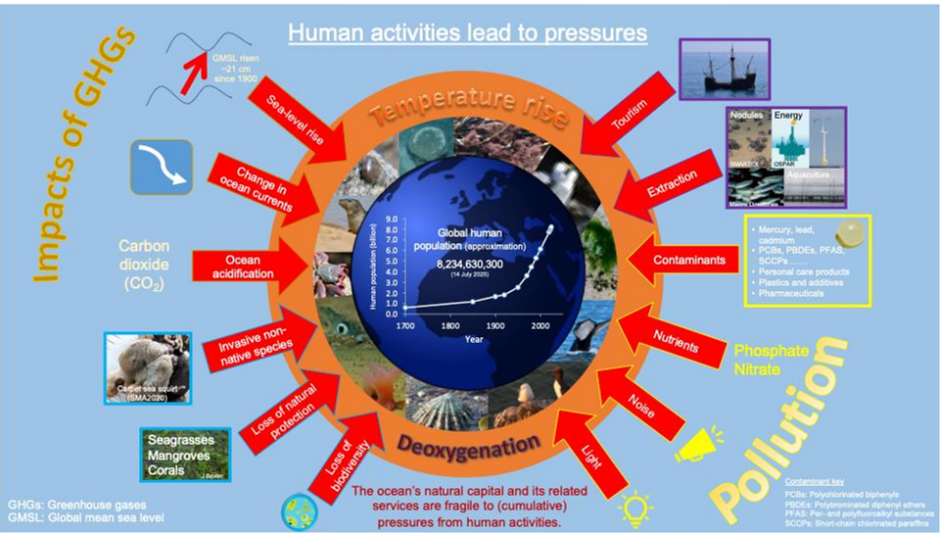
Human activities generate multiple pollutants, including pharmaceuticals, heavy metals, organic compounds, radioactive materials, plastics and plastics additives, sediments, nutrients, pathogens, energy (heat, light and noise) and numerous other contaminants of emerging concern. The focus of the present subchapter is initially inputs of heavy metals and selected contaminants from the atmosphere and rivers. This is followed by a more in-depth discussion of the concentrations and effects of POPs, pharmaceuticals, personal care products, plastics and plastics additives and radioisotopes. Many of these compounds and materials ultimately reach the ocean through atmospheric transfer and deposition, general land run-off, rivers, storm overflows and sea-based activities. These pollutants may subsequently be transported more widely by ocean currents. As a result, marine biota are exposed to numerous chemicals, many of which have physiological effects. Alongside biodiversity loss and rising concentrations of greenhouse gases, such as carbon dioxide (CO2), methane and nitrous oxide, pollutants further intensify an already precarious multiple stressor scenario for marine ecosystems (see figure I).
The present subchapter provides an update to the information contained in the second World Ocean Assessment on the concentrations and consequences of POPs, plastic products and additives, pharmaceuticals, personal care products and radioisotopes on the ocean and the marine organisms that live in, on or near the ocean. This is coupled with recent developments in the understanding of the atmospheric inputs of a range of chemicals to the ocean. While the materials and chemicals covered are similar to those described in the second Assessment, greater emphasis is placed on per and polyfluoroalkyl substances (PFASs), and PPCPs are discussed in greater depth.
Figure I Pressures from and of human activity on marine ecosystems
2. Recent developments in atmospheric and riverine inputs
Key points
- Both atmospheric deposition and riverine inputs remain important pathways through which contaminants, including plastics, reach the ocean.
- Nevertheless, there has been a decline in air emissions of heavy metals and some legacy POPs from western Europe.
Contaminants continue to be distributed globally
Long-range atmospheric transport continues to be a key process by which pollutants move around the planet. As a result, pollutants impact marine organisms a considerable distance from their sources of emission. Long-range atmospheric transport is a key driver behind pollutants that are detected in the polar regions and the deep ocean, including the Mariana Trench Ref 31. In the deep ocean, ocean currents are another key driver. Chlorinated paraffins have been detected in deep-sea cold seep ecosystems, where they have been bioaccumulated by deep-sea mussels Ref 98. In deep-sea sediments from the western Pacific Ocean, concentrations of some POPs, including polychlorinated biphenyls (PCBs) and dicofol, were low or the compounds were not detected. In the same samples, however, polycyclic aromatic hydrocarbons (PAHs) were detected at concentrations between 5.2 and 24.5 nanograms per gram (ng/g) dry weight. Biomass and coal combustion have been identified as the predominant sources of PAHs, which indicates atmospheric deposition Ref 50.
Per- and polyfluoroalkyl substances
Interest in per- and polyfluoroalkyl substances (PFASs) has grown in recent years. More details about concentrations and impacts of PFASs can be found under "Persistent organic pollutants" below. Determining the source of these compounds is important. An analysis of an ice core from Devon Island, Nunavut, in northern Canada revealed continuous and increasing deposition of perfluoroalkyl carboxylic acids (PFCAs) and perfluoroalkyl sulfonic acids (PFSAs) over the period 1977-2015. North American and Eurasian emission sources, particularly sources in Continental Asia, were large contributors Ref 130.
In some cases, riverine inputs remain critical. For example, the riverine input of perfluorooctanesulfonic acid (PFOS) to the Baltic Sea exceeds atmospheric input by a factor of three. In other cases, such as with perfluorooctanoic acid (PFOA) and other PFCAs, atmospheric deposition makes a higher contribution to the total inputs to the Baltic Sea Ref 78. Potential sources of the loading of PFOS and other PFASs in rivers in the Baltic Sea region include discharges from wastewater treatment plants, atmospheric deposition to catchment areas and run-off from contaminated sites (Baltic Marine Environment Protection Commission (HELCOM), 2020). The relative contribution probably varies from river to river.
Atmospheric deposition can be dry or wet. In their study on four perfluoroalkyl acids (PFOS, PFOA, perfluorohexanesulfonic acid (PFHxS), and perfluorononanoic acid (PFNA)), Cousins and others (2022) concluded that:
- Levels of PFOA and PFOS in rainwater often greatly exceed the lifetime drinking water health advisory levels established by the Environmental Protection Agency of the United States.
- The sum of those four perfluoroalkyl acids in rainwater is often above Danish drinking water limit values.
- Levels of PFOS in rainwater are often above the European Union environmental quality standard for inland surface waters.
- Atmospheric deposition leads to contamination of global soils.
Pharmaceuticals
Mass consumption of certain pharmaceuticals has led to a greater concentration of pharmaceutical residues in aquatic environments and river discharges. Septic tanks are also a pathway for emerging contaminants, including different analgesics, antihistamines, antidepressants, betablockers and the antidiabetic drug metformin, entering the aquatic environment Ref 171.
Declines in emissions and deposition of contaminants are happening
Humans have become acutely aware of the risks associated with both organic and inorganic contaminants. Actions have been and continue to be taken to limit emissions and discharges of contaminants. These actions are having an impact (see box 1).
Box 1
Case study: declines in emissions and deposition of heavy metals and selected organic contaminantsMercury in air, precipitation and emissions to the air from European Union countries decreased by 1.3%, 3.0% and 3.2% annually, respectively, over the period 2010-2022 Ref 49. Declines during that period were higher than those recorded during the period 2000-2010. European emissions declined faster than concentration levels in air, showing the influence of long-range atmospheric transport on mercury air concentration. In the Western region of the European Monitoring and Evaluation Programme (EMEP), which covers western Europe, emissions to air of cadmium, mercury and lead declined over the period 2000-2022, as did emissions to air of polychlorinated biphenyls (PCBs), polycyclic aromatic hydrocarbons (PAHs), hexachlorobenzene (HCB) polychlorinated dibenzo-p-dioxins and polychlorinated dibenzofurans (PCDD/F). In the Eastern region, which covers Eastern Europe, the Caucasus and Central Asia, emission trends are not completely evident, mainly due to incomplete reporting by major emitting countries. An example of a decrease in deposition was noted for the Baltic Sea where the deposition of mercury, lead, cadmium, and benzo[a]pyrene has decreased steadily since 1990 Ref 49. |
3. Persistent organic pollutants
Key points
- POPs remain a global problem due to their persistence, bioaccumulation and health risks.
- POPs, including emerging ones such as PFASs, and replacement chemicals, including polyhalogenated carbazoles (PHCZs), are gaining increasing attention because their environmental and public health impact continues to be exacerbated by inadequate waste management, climate change-related remobilization of POPs that have been trapped in water, ice sediments and soil for decades, and inconsistent global enforcement of international agreements despite international efforts to eliminate their sources.
- Although POPs are yet another anthropogenic pressure on the ocean, adding to the stress on biological systems, there is some indication that concentrations of some legacy compounds are decreasing.
Introduction
Many chemicals have been produced to improve human lives. These chemicals are discharged and emitted into the environment and continue to be one of the main stressors on marine ecosystems.
POPs, which are generally hydrocarbons that are halogenated (containing fluorine, chlorine or bromine) Ref 60, may be produced intentionally or unintentionally (see figure II). They include PCBs (209 individual congeners), polybrominated diphenyl ethers (PBDEs) and PFASs (see table 1). Although the manufacture of some POPs is now banned, such bans entered into effect only after significant quantities had been manufactured and used. For example, 8,896 kilotons of hexachlorocyclohexanes (HCHs) were manufactured before being banned Ref 92.
Figure II The range of persistent organic pollutants
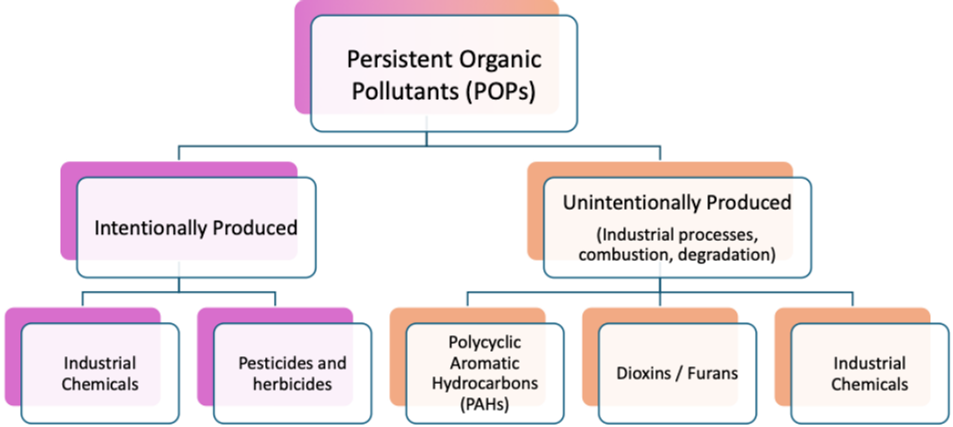
Note: Industrial chemicals are produced both intentionally and unintentionally. PCBs and polychlorinated naphthalenes (PCNs) are produced unintentionally during the production of paints and dyes Ref 66 Ref 62 and at nonferrous metallurgical facilities Ref 84. Polychlorinated diphenyl ethers (PCDEs) are by-products of the synthesis of commercial chlorophenols Ref 173. POPs, including PAHs, may also be produced during combustion. Although PAHs are not covered by the Stockholm Convention, they are included in the figure because they are classified as POPs.
POPs continue to be manufactured and reach the ocean through a variety of pathways (see figure III). However, these halogenated compounds persist in the environment and are bioaccumulated, especially in higher trophic levels (see figure IV). This means that as humans introduce new chemicals, further problems arise. In addition, these chemicals are dispersed by ocean currents and atmospheric winds resulting in them being found around the globe (see figure III).
Table 1 Persistent organic pollutants
| Chemical Group | Abbreviation | Chemical Group | Abbreviation |
|---|---|---|---|
| Polychlorinated biphenyls | PCBs | Per- and polyfluoroalkyl substances | PFAS |
| Polychlorinated diphenyl ethers | PCDES | Perfluoroalkyl sulfonic acids | PFSAs |
| Polychlorinated naphthalenes | PCNs | Perfluoroalkyl carboxylic acids | PFCAs |
| Polybrominated diphenyl ethers | PBDES | Organochlorinated pesticides | OCPs |
| Polybrominated biphenyls | PBBs | Individual Chemical | Abbreviation |
| Polychlorinated dibenzo-p-dioxins | PCDD | Perfluorooctanesulfonic acid | PFOS |
| Polychlorinated dibenzofurans | PCDF | Perfluorohexane sulfonic acid | PFHxS |
| Polyhalogenated carbazoles | PHCZs | Perfluorooctanoic acid | PFOA |
| Toxaphene | Toxaphene | Perfluoroheptanoic acid | PFHpA |
| Short-chain chlorinated paraffins | SCCPs | Hexachlorobenzene | HCB |
| Hexachlorocyclohexane | HCH | Dichlorodiphenyltrichloroethane | DDT |
Figure III Sources of persistent organic pollutants
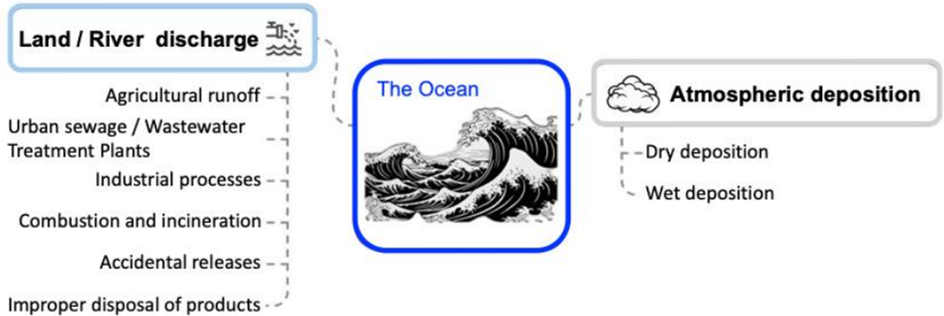
Figure IV Persistence, bioaccumulation and biomagnification of persistent organic pollutants
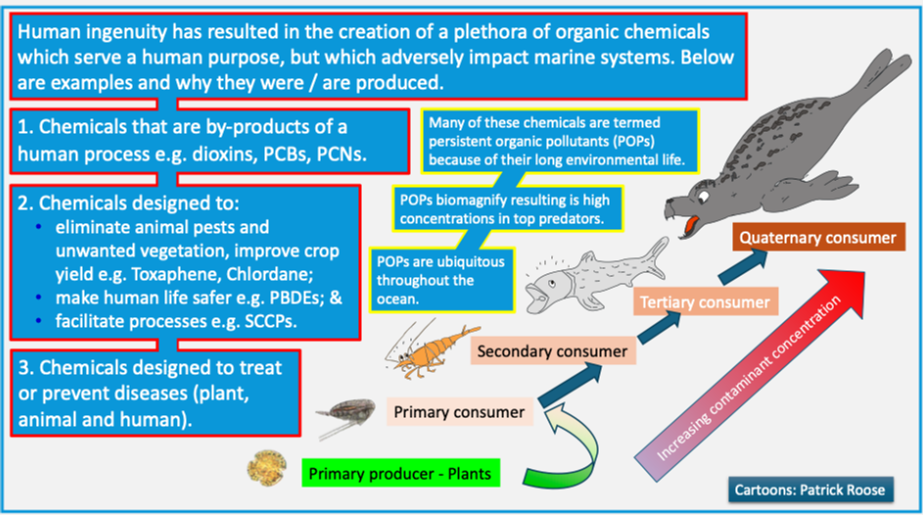
Note: These processes mean that apex predators accumulate significant concentrations of POPs. Variation in concentrations can be associated with the prey consumed. Evidence published since the publication of the second World Ocean Assessment has shown that there are differences in the concentration of PCBs between killer whales (Orcinus orca) that had a mixed diet and those that had a diet mostly composed of fish. In addition, the concentration of PCBs in male killer whales was greater than in female killer whales regardless of diet Ref 136. Cetaceans that forage on pelagic prey species had lower contaminant loads compared with those that were benthic or coastal feeders Ref 137.
Concentrations of persistent organic pollutants in marine ecosystems
The present subchapter provides an update to the information on the concentrations of POPs in marine ecosystems contained in the second World Ocean Assessment.
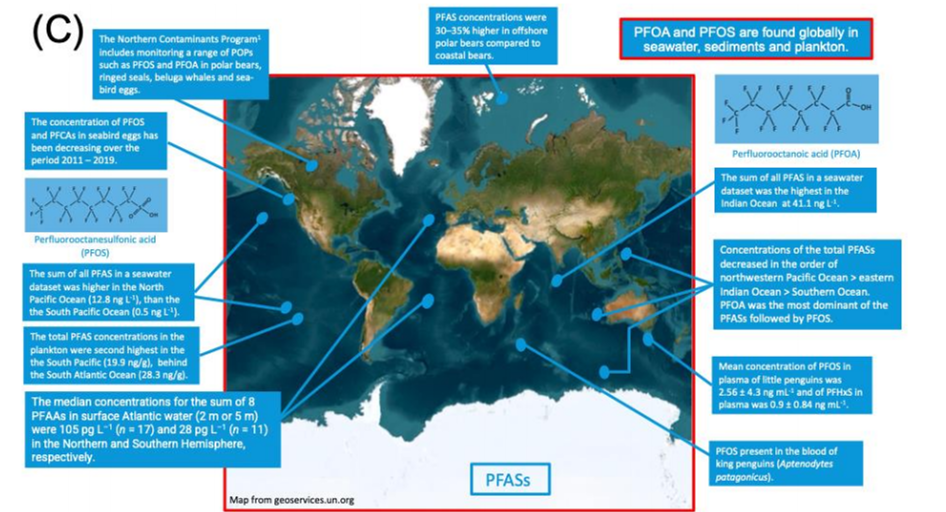
Although the production and use of many POPs have been banned, POPs continue to be manufactured (see figure II). In the case of PCBs, for example, production has been banned for at least 30 years. In addition to legacy PCBs, there are "contemporary" PCBs that are inadvertently produced during the production of paints, dyes and other products Ref 66 or during electricity production when coal is used as fuel Ref 108 (see figure II). Consequently, POPs are still present in all oceanic regions and continue to be transferred to the polar regions through atmospheric transport (see figures V.A to V.C). With these compounds being detected in marine ecosystems far from their source of production or emission (see box 1), the basis of regional assessments is the determination of the
concentration of POPs in water, sediment or biota. These concentrations are then assessed relative to national or international assessment criteria. Wherever samples of water sediment or biota are collected, POPs are found. Concentrations of legacy POPs are very low in some cases, but PFOA and PFOS are found globally in seawater, sediments and plankton (see figure V.C). Time series are now long enough to enable temporal assessments for some POPs Ref 164. Replacement chemicals for listed POPs are also being detected in the ocean Ref 89.
Figure V (A) Concentrations of persistent organic pollutants in seawater, sediments and biota, in all regions PCBs, PBDEs and HCB
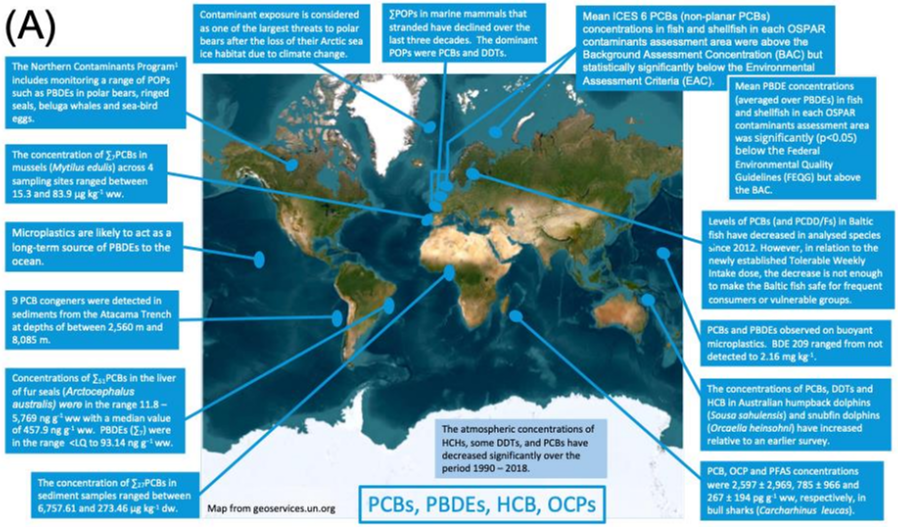
Figure V (B) Concentrations of persistent organic pollutants in seawater, sediments and biota, in all regions PCNs, SCCPs and PCDD/Fs
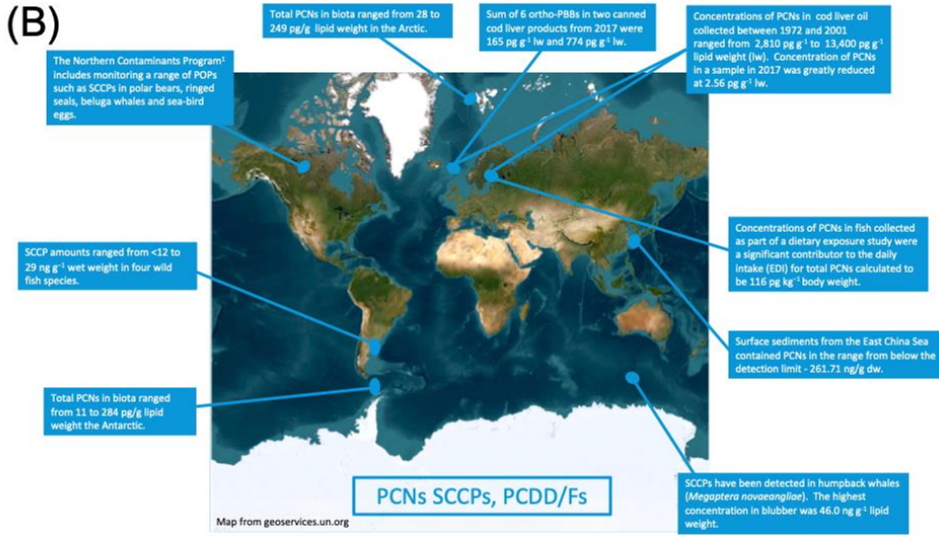
Figure V (C) Concentrations of persistent organic pollutants in seawater, sediments and biota, in all regions PFASs
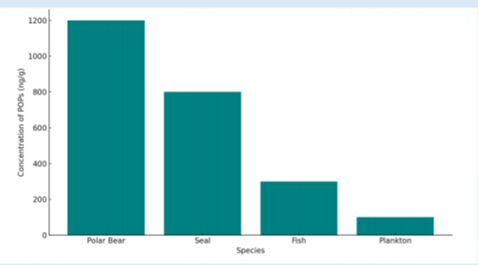
Box 2Case study: Arctic Ocean regionOverviewPersistent organic pollutants (POPs) pose a significant environmental and health threat to the ocean due to their long-term persistence, potential for bioaccumulation and ability to travel long distances (Arctic Monitoring and Assessment Programme (AMAP), 2021). One of the most affected regions is the Arctic Ocean, which acts as a primary sink for POPs transported from industrial regions through atmospheric and oceanic pathways. The cold temperatures in the Arctic slow the degradation of these chemicals, allowing them to persist in the environment for extended periods. Changes in the overall statusSince the second World Ocean Assessment, the concentrations of many legacy POPs, such as polychlorinated biphenyls (PCBs), dichlorodiphenyltrichloroethane (DDT) and hexachlorocyclohexanes (HCHs), have generally decreased in the Arctic region. Nevertheless, this positive trend is not without exceptions. Emerging contaminants, particularly perfluoroalkyl and polyfluoroalkyl substances (PFASs), have been increasingly detected in the Arctic. These substances, which were not previously recognized as significant threats, are now considered a growing concern due to their persistence, potential for long-range transport and bioaccumulative properties (United Nations Environment Programme (UNEP), 2019). Factors contributing to the changes observedThe decline of legacy POPs in the Arctic is primarily driven by international regulations, including the Stockholm Convention; regional initiatives, such as the Convention for the Protection of the Marine Environment of the North-East Atlantic (OSPAR Convention) and AMAP; and a global shift in industrial practices. Reduced emissions and changes in atmospheric transport have lowered the influx of POPs to the Arctic, while environmental degradation processes and sequestration have further diminished their concentrations. As a result, POP levels have been significantly reduced, contributing to the protection of Arctic ecosystems and human health. Impacts of the changes on, and interactions with, other components of the marine systemThe changes in POP concentrations have significant implications for the Arctic marine ecosystem. POPs are known to be bioaccumulated in the Arctic food web, leading to high concentrations in apex predators, such as polar bears and seals, and there are detectable concentrations in fish and plankton Ref 6. This bioaccumulation disrupts the natural balance of the ecosystem, affecting the health and reproductive success of wildlife. Moreover, the re-mobilization of POPs due to climate change increases the risk of contamination in previously pristine areas, exacerbating the stress on already vulnerable species Ref 115. The figure below illustrates the bioaccumulation of POPs in different Arctic marine species, with a focus on apex predators. The data highlights particularly high concentrations of POPs in polar bears and seals, which pose significant health risks to these species and the ecosystems they inhabit. |
Figure Bioaccumulation of persistent organic pollutants in Arctic marine species
Social, economic and cultural aspects associated with the change
The social, economic and cultural implications of POP contamination in the Arctic are profound, particularly for Indigenous communities, which rely heavily on marine resources for subsistence, cultural practices and economic activities. Contamination of key food sources, such as seals and fish, poses serious health risks, including increased cancer rates, endocrine disruption and reproductive issues Ref 167. Biodiversity loss and degradation of the marine environment threaten the cultural identity and traditional practices of Indigenous Peoples, who have coexisted with the Arctic environment for millenniums Ref 35. The economic impacts are significant, as the degradation of marine resources can affect the livelihoods of those who depend on fisheries and ecotourism. The long-term sustainability of such economic activities is at risk if POP contamination continues to undermine the health of the marine ecosystem.
Implications for achieving the targets for Sustainable Development Goal 14
The observed decline in POPs in the Arctic supports the achievement of several Sustainable Development Goals, particularly those related to environmental health, clean water and the protection of life below water and on land. Continued monitoring and policy enforcement are essential to maintain and further these gains, ensuring a safer and healthier environment for both human and ecological communities in the Arctic. Nevertheless, emerging contaminants (PFASs and hexachlorobenzene (HCB)) are becoming increasingly prevalent and might pose a major challenge to protecting the marine biodiversity of the Arctic. Climate change further complicates efforts to achieve the Goals because it alters the dynamics of POP distribution, transport pathways, sources and sinks, and increases the risk of contamination in previously unaffected areas Ref 158.
Achieving Sustainable Development Goal 14 requires a multifaceted approach, including strengthening international cooperation, enhancing regulatory frameworks and implementing targeted strategies to mitigate the impacts of POPs in the Arctic. The knowledge and perspectives of Indigenous communities must be integrated into such efforts to ensure that their cultural and socioeconomic needs are addressed in the pursuit of sustainable development.
Concentrations of POPs, including PCBs, DDT isomers, PBDEs, HCHs, HCB and dieldrin, in cetaceans are significant Ref 170. Data from cetacean strandings around Great Britain, however, show significant spatial and taxonomic heterogeneity and also reveal that the summed concentration of POPs, which was dominated by PCBs and DDTs, has declined for all species over the past 30 years. However, pollutants remain a threat to biodiversity in several species and regions covered in the study conducted by Williams and others (2023).
Figure VI Mean concentration of persistent organic pollutants in the blubber of cetaceans A. PCBs and DDT isomers
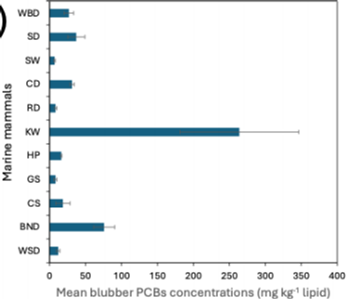
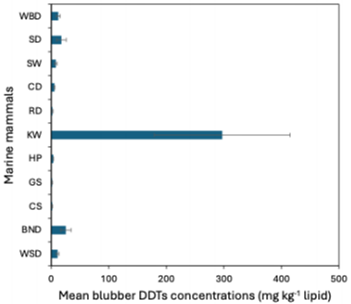
Figure VI Mean concentration of persistent organic pollutants in the blubber of cetaceans B. PBDEs and HCHs
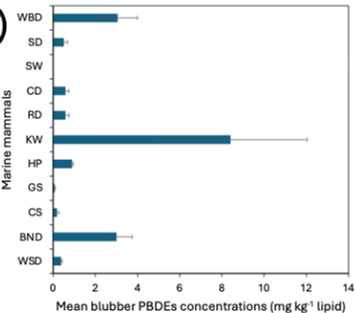
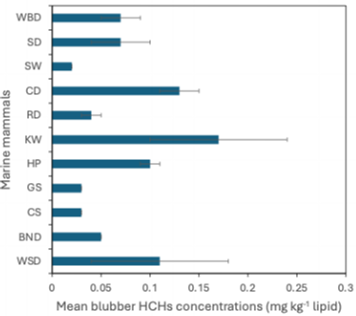
Figure VI Mean concentration of persistent organic pollutants in the blubber of cetaceans C HCB and dieldrin
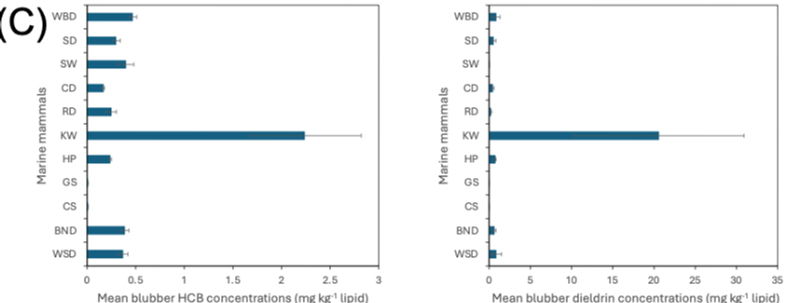
Note: Mean concentration in the blubber of 11 species of cetacean that had stranded on the coast of Great Britain over the period 1990-2018 with a decomposition code of less than four. The sample size for each individual species ranged from 6 (sperm whale) to 731 (harbour porpoise). Error bars reflect standard error.
Abbreviations: BND, common bottlenose dolphin (Tursiops truncatus); CD, short-beaked common dolphin (Delphinus delphis); CS, common seal (Phoca vitulina); GS, the grey seal (Halichoerus grypus); HP, harbour porpoise (Phocoena Phocoena); KW, killer whale (Orcinus orca); RD, Risso's dolphin (Grampus griseus); SD, striped dolphin (Stenella coeruleoalba); SW, sperm whale (Physeter macrocephalus); WBD, white-beaked dolphin (Lagenorhynchus albirostris); WSD, Atlantic white-sided dolphin (Lagenorhynchus acutus).
Use of assessment criteria
In recent years, assessment criteria have been increasingly used to determine the status of marine waters with respect to the concentration of hazardous substances, as exemplified by a recent assessment of hazardous substances in the North-East Atlantic Ref 121. In that assessment, measured concentrations were classified into three categories: near natural background levels (for naturally occurring substances) or close to zero (for man-made substances); at or above the background assessment concentration but statistically significantly below the environmental assessment criteria or an alternative criterion selected for a given contaminant; or statistically significantly above environmental assessment criteria or the alternative (see figure VII). The results of the assessment give a clear indication of the status of marine biota, showing that although the concentrations of non-planar PCBs in fish and shellfish were all below the environmental assessment criteria in all areas assessed, concentrations of CB118 (a dioxin-like PCB) in biota were above the environmental assessment criteria in 7 of the 13 assessment areas, which indicates possible adverse effects on marine life in those areas (see figure VIII).
Figure VII – Range of assessment criteria used by the OSPAR Commission

Figure VIII – Polychlorinated biphenyls in fish and shellfish, by OSPAR assessment area

Note: This is based on the mean concentrations of PCBs (ICES-6 PCBs (non-planar PCBs) and CB118) in fish and shellfish in each OSPAR assessment area, relative to the environmental assessment criteria (with 95% upper confidence limits) where the environmental assessment criteria value is 1. Concentrations are statistically significantly below the environmental assessment criteria if the upper confidence limit is below 1. The concentrations of the non-planar PCBs were all below the environmental assessment criteria. Concentrations of CB118 in biota exceeded the environmental assessment criteria in 7 of the 13 assessment areas, which indicates possible adverse effects on marine life in those areas. The only area where the mean concentrations of CB118 in biota were below the background assessment concentration was the Irish and Scottish West Coast.
Drivers of the evolving societal response to persistent organic pollutants
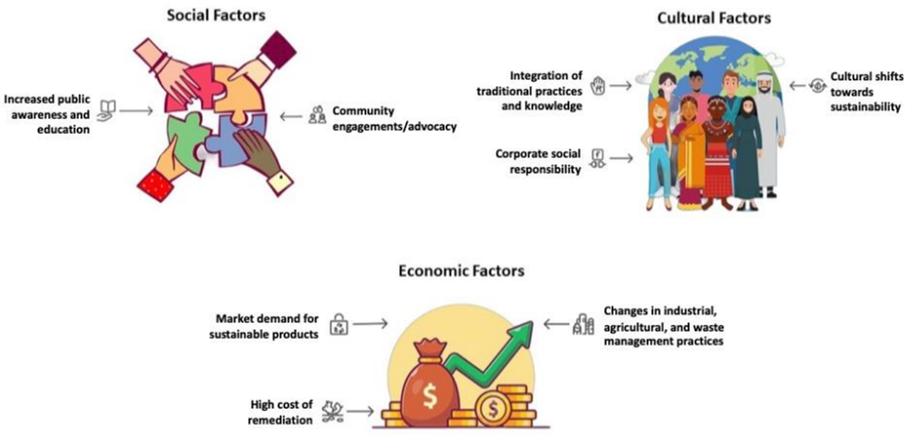
The listing of POPs under the Stockholm Convention continues, which means that society is responding to the continuing problem of POPs and their impact on the environment. A combination of social, cultural and economic factors contribute to this societal response, and ultimately to a decline of concentrations of some POPs (see figure IX). For example, there is increased public awareness of the impacts of pollution on not only the ocean, but also on human health. There is also growing recognition that the ocean is vitally important as part of the living system of the Earth and central to building a healthy economy and a vibrant society. This recognition, together with the implementation of measures aimed at achieving the SDGs (as discussed below), has helped to engender a response from communities. Improved understanding by the scientific community and the wider public of the traditional practices and knowledge of Indigenous Peoples has also increased the awareness of environmental change due to human activities and raised the desire of people to reduce pollution. Lastly, changes in industrial, agricultural and waste management practices, owing in part to legislation but also to public demand for sustainable products, have helped.
Figure IX Potential drivers of the decline in concentrations of some persistent organic pollutants
Ramifications for the Sustainable Development Goals
POPs are ubiquitous contaminants. Owing to the significant number of compounds and their varying half-lives, in 2025, the date set for Sustainable Development Goal target 14.1 (see figure X.A), concentrations of certain POPs will likely be shown, through ongoing monitoring programmes, to have been greater than the levels expected to cause biological effects. More important than the levels, however, is the impact on biota generated by the multitude of POPs to which the biota are exposed, which remains difficult to assess. POPs also continue to be of concern from a human health perspective, and thus have ramifications for target 3.9 (see figure X.B) and other Sustainable Development Goals target (see figures X.C through X.E).
Figure X Ramifications for selected Sustainable Development Goal targets A. Target 14.1, Reduce marine pollution
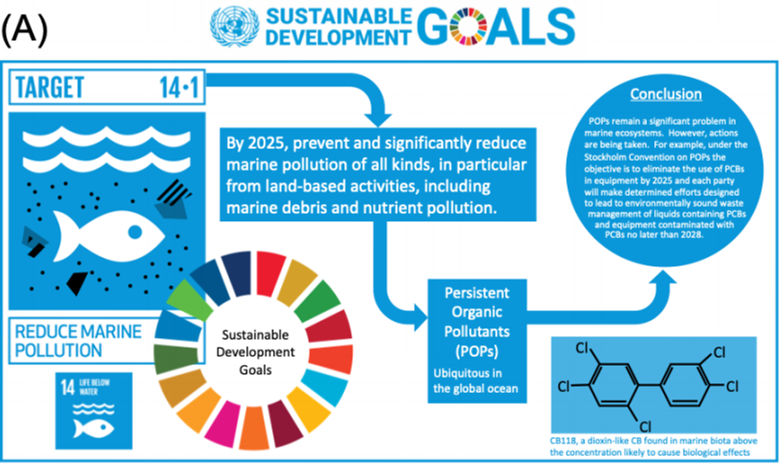
Figure X Ramifications for selected Sustainable Development Goal targets B. Target 3.9, Reduce illnesses and death from hazardous chemicals and pollution

Figure X Ramifications for selected Sustainable Development Goal targets C. Target 6.3, Improve water quality, wastewater treatment and safe reuse

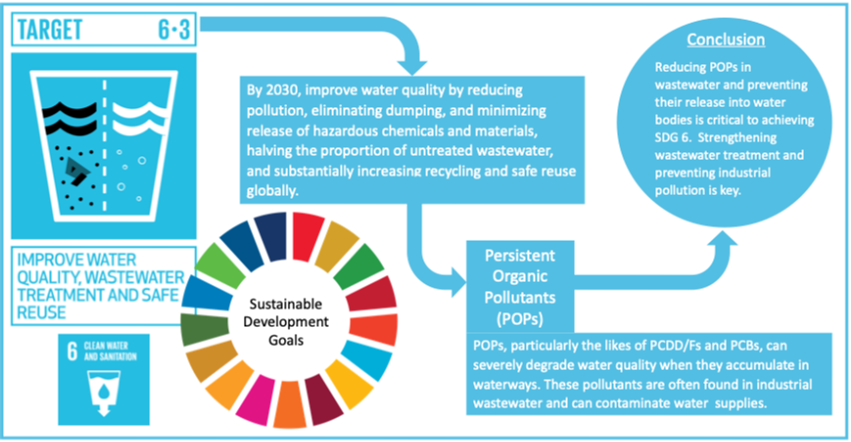
Figure X Ramifications for selected Sustainable Development Goal targets D. Target 12.4, Responsible management of chemicals and waste
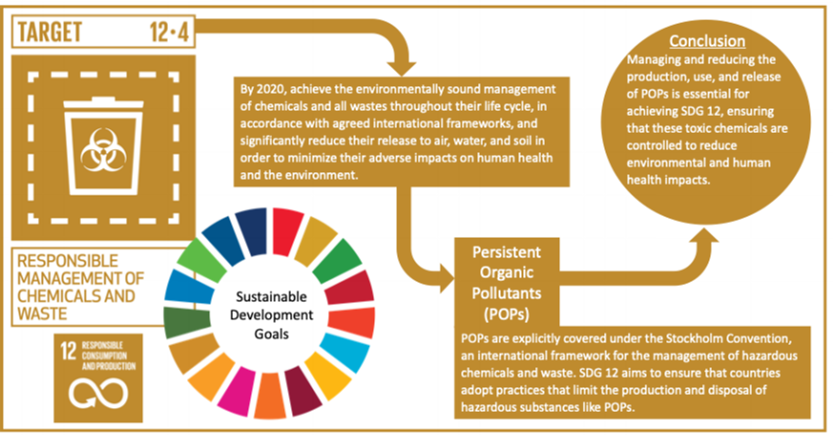
Figure X Ramifications for selected Sustainable Development Goal targets E. Target 15.5, Protect biodiversity and natural habitats

Ecotoxicology
When assessing the impacts of POPs on marine ecosystems, results are often presented by individual congener or by group of congeners. For example, an assessment might focus on a dioxin-like PCB, such as CB118, or on the ICES-6 PCBs (non-planar PCBs) Ref 164. Biota, however, are not exposed to one single congener or to one single group of congeners; they are exposed to all bioavailable pollutants in their geography. For this reason, ecotoxicological assessments are vital, because some ecotoxicological tests more correctly assess the impact of all anthropogenic chemicals in the environment rather than the impact of a single compound or group of compounds.
The understanding of the concentrations and impacts of POPs in the marine environment lags behind the understanding of their concentrations and impacts in freshwater systems because fewer marine-based ecotoxicity testing models and systems exist. Testing programmes, including the chemical monitoring programmes undertaken by such agencies as the Food Standards Agency of the United Kingdom, are focused on bioaccumulative compounds within high trophic species destined for human consumption. Data on other compounds, mixtures and congeners in the marine environment are therefore limited Ref 70 Ref 154. Of increasing concern is the impact of mixtures of chemical compounds and the combined toxicity of environmentally realistic co-occurring contaminants with a dynamic exposure complexity, which is difficult to replicate in laboratory toxicity testing Ref 13. Chemical contaminants can interact in multiple ways, and, according to one study, synergy occurs in 7% of binary pesticide mixtures Ref 18. Synergistic impacts are particularly concerning due to the potential for extreme impacts not predictable by single compound toxicity testing for regulatory purposes Ref 120 Ref 135. To more accurately estimate the contribution of POPs to marine multi-stressor environments, combined toxicity estimations of mixtures are urgently needed, and profiles of how climate change is altering physical stressor conditions in the marine environment need to be taken into account.
Ongoing regulatory developments continue to bring change
As noted, the Stockholm Convention on Persistent Organic Pollutants serves as the basis for the global regulation of POPs. Table 2 contains a description of recent developments with respect to listed chemicals and selected targets for improving management of PCBs.
Table 2 Recent regulatory developments and selected targets
| Year | Decision / Change | Source |
|---|---|---|
| 2019 | The Conference of the Parties listed PFOA, its salts and PFOA-related compounds and dicofol in Annex A to the Stockholm Convention (decision SC-9/12). The Conference of the Parties also amended Annex B to eliminate many of the exemptions for PFOS, its salts and PFOSF. | The Stockholm Convention on Persistent Organic Pollutants (POPs). |
| 2021 | The regulation was revised to include stricter limits on certain POPs, such as Perfluorohexane sulfonic acid (PFHxS), which is widely used in industrial processes and can cause significant environmental harm. | European Union (2019). Regulation (EU) 2019/1021 of the European Parliament and of the Council on Persistent Organic Pollutants. |
| 2022 | The Basel Convention's COP adopted new guidelines that address the management of waste containing newly listed POPs, such as certain brominated flame retardants, and improve waste disposal practices to minimize environmental contamination. | Basel Convention Secretariat (2022). Basel Convention on the Control of Transboundary Movements of Hazardous Wastes and Their Disposal. United Nations Environment Programme. |
| 2022 | The Conference of the Parties listed PFHxS, its salts and PFHxS-related compounds in Annex A to the Stockholm Convention (decision SC-10/13). | The Stockholm Convention on Persistent Organic Pollutants (POPs). |
| 2023 | The Conference of the Parties listed Dechlorane Plus and UV-328 and methoxychlor in Annex A to the Stockholm Convention. | The Stockholm Convention on Persistent Organic Pollutants (POPs). |
| 2025 | Eliminate the use of PCBs in existing equipment. | The Stockholm Convention on Persistent Organic Pollutants (POPs). |
| 2025 | The Conference of the Parties listed MCCPs, long-chain PFCAs, their salts and related compounds, and chlorpyrifos in Annex A to the Stockholm Convention. | The Stockholm Convention on Persistent Organic Pollutants (POPs). |
| 2028 | Ensure environmentally sound waste management of PCBs. | The Stockholm Convention on Persistent Organic Pollutants (POPs). |
| 2030 | Exemptions for recycling of articles containing commercial pentaBDE and commercial octaBDE expire. | The Stockholm Convention on Persistent Organic Pollutants (POPs). |
Key remaining knowledge and capacity gaps and new gaps
Determining the impact of the chemical mixtures to which marine organisms are exposed continues to be a key challenge. This challenge is exacerbated by the impacts of other forms of pollution, including synergistic interactions with nanoplastics (Kamalakannan and others, 2024) and the impacts of changing temperatures, water oxygen concentration and acidity driven by increasing concentrations of greenhouse gases. Analytical challenges are significant because of the complexity of POP mixtures coupled with the analytical methods required for quantification of POPs in the ocean. Lastly, human ingenuity continues to result in emerging contaminants and POP replacements, including PHCZs Ref 47. PHCZs have been detected in marine sediments, seawater, zooplankton, bivalves, fish, harbour seals and cormorant eggs Ref 172 Ref 67 Ref 68. Recent studies have shown that 6:2 fluorotelomer sulfonate (6:2 FTS), which has been used as an alternative for legacy PFASs, may be immunotoxic Ref 57 Ref 10. POP replacements are often not benign, which adds further complexity to the challenge of developing an understanding of the full impact and consequences of POPs in the ocean.
3. Pharmaceuticals and personal care products
Key points
- Advances in analytical techniques have significantly enhanced the identification and quantification of pharmaceuticals and personal care products (PPCPs) in marine environments, leading to more comprehensive data collection.
- Expanded monitoring programmes have led to a greater understanding of the prevalence of PPCPs in various oceanic regions, particularly in the North Pacific and North Atlantic.
- Studies have identified certain hot spots for the accumulation of PPCPs in coastal seas and have elucidated the effects of PPCPs on marine organisms, including such issues as bioaccumulation and toxicity to phytoplankton, fish and benthic species.
- Improvements to wastewater treatment technologies and adequate funding for the operation and maintenance of wastewater treatment facilities are necessary to reduce PPCP levels in effluents, thereby alleviating the pressure on coastal marine environments.
- Action plans and priorities have been developed on how to decrease the presence and potential impacts of pharmaceuticals in the environment. Strategies include reducing demand for and use of pharmaceuticals, improving disposal and reducing end-of-pipe emissions. The last and most expensive option is advanced wastewater treatment to remove active pharmaceutical ingredients (APIs) before their wider distribution in the environment Ref 14.
Introduction
PPCPs comprise a diverse array of substances, including prescription and therapeutic drugs, veterinary medications, fragrances, sunscreen agents and diagnostic compounds. At present, around 4,000 pharmaceutically active substances are available globally, and approximately 100,000 tons are consumed each year (Pawłowska and Biczak, 2024). PPCPs have increasingly generated significant environmental concern due to their persistence, bioaccumulative properties, toxic potential and, in many cases, high mobility Ref 19. Over the past few decades, many research and monitoring initiatives have employed advanced sampling and analytical techniques, such as liquid chromatography-mass spectroscopy, gas chromatography-mass spectrometry and non-targeted high-resolution mass spectrometry, to detect various PPCPs in the global ocean (Guo and others, 2023(b)). Commonly detected compounds include antibiotics, hormones and ultraviolet light (UV) filters, with concentrations of these substances varying across different regions.
The coronavirus disease (COVID-19) pandemic has further exacerbated this issue by significantly increasing the use of specific medications and treatments, notably antivirals, antimicrobials and antidepressants Ref 92. Mass consumption of some of these pharmaceuticals has led to a greater concentration of pharmaceutical residues in aquatic environments and river discharges. PPCPs are now pervasive in both the open ocean and coastal areas, with particularly high concentrations found near densely populated and industrial zones, wastewater discharge points, harbours and mariculture facilities (Li and others, 2024). These pollutants can be transported through river outflows, ocean currents and atmospheric deposition, often accumulating in marine organisms and sediments, especially in marginal seas Ref 100.
The ecological impacts of PPCPs are profound and concerning. Toxicity studies have shown harmful effects on marine organisms, including endocrine disruption, the development of antibiotic resistance and behavioural changes in various marine biota, including fish, invertebrates and algae Ref 174 Ref 102. The widespread presence of PPCPs poses a threat to marine biodiversity and ecosystem health. Moreover, human exposure to PPCPs, though less direct, remains a critical issue. This exposure primarily occurs through the consumption of seafood and participation in leisure activities in contaminated waters Ref 113. Such exposure raises serious concerns about chronic health risks, including hormonal disruptions and the proliferation of antibiotic-resistant bacteria.
This assessment of PPCPs is focused on data and research published from 2018 to 2024. For information on PPCPs in the global ocean prior to 2018, see chapter 11 of the second World Ocean Assessment.
Environmental change since the second World Ocean Assessment
Recently, scientists have turned their attention to emerging chemical contaminants present in low concentrations, such as PPCPs, which pose significant threats to coastal and ocean environments through bioaccumulation and metabolism. Research and monitoring of the presence of PPCPs in marine waters is important, but there is a particular need to include metabolites in such efforts, as these compounds often go undetected and can be as persistent and hazardous as their parent substances. Table 3 shows the reported concentrations of PPCPs frequently detected in coastal waters around the world, including antibiotics, beta-blockers, antiulcer agents, antiepileptics, antiasthma drugs, antihistamines, calcium channel blockers, lipid-regulating agent and hormones .
Table 3 Pharmaceuticals and personal care products measured in coastal waters (ng/l)
| Location | Antibiotics | |||||||||
|---|---|---|---|---|---|---|---|---|---|---|
| Erythromycin | Clarithromycin | Roxithromycin | Sulfamethoxazole | Sulfamethazine | ||||||
| Before 2018 | 2018- 2024 | Before 2018 | 2018- 2024 | Before 2018 | 2018- 2024 | Before 2018 | 2018- 2024 | Before 2018 | 2018- 2024 | |
| Baltic Sea | n.d .- 0.14 | n.a. | 0.03-14 | n.a. | n.d .- 0.48 | n.a. | 0.74-21 | n.a. | n.d. | n.a. |
| North Sea | 0.13-0.94 | n.a. | 0.4-1.66 | n.a. | n.d-2.86 | n.a. | 1.78-13.0 | n.a. | n.d. | n.a. |
| Aegean Sea | n.d. | n.a. | 16 | n.a. | n.a. | n.a. | 3.8 | n.a. | n.a. | n.a. |
| Adriatic Sea | n.a. | n.a. | n.a. | n.a. | n.a. | n.a. | 0.02 - 1.02 | n.a. | n.a. | n.a. |
| Mediterranean Sea | 9 | n.d. - 2.3 | 5 | n.d .- 441.4 | n.a. | n.d .- 1.3 | 14 | n.d .- 99 | n.a. | n.d .- 9.1 |
| Pearl River Delta (China) | n.d .- 126 | n.a. | n.a. | n.a. | n.d .- 12.0 | n.a. | n.d .- 40.6 | n.a. | n.a. | n.a. |
| Bohai Sea | n.a. | 0-150 | n.a. | 0.82-37 | n.a. | 0-630 | n.a. | 0-140 | n.a. | 0-130 |
| Yellow Sea | n.a. | 0-121.2 | n.a. | 0-6.55 | n.a. | 0-11.8 | n.a. | 0-1.92 | n.a. | 0- 250.66 |
| East China Sea | n.a. | 0-57.07 | n.a. | 0-6.38 | n.a. | 0.33- 34.81 | n.a. | 0.81- 16.65 | n.a. | 0-2.03 |
| South China Sea | n.a. | 0-1900 | n.a. | 0.06-1.5 | n.a. | 0-47 | n.a. | 0-17.5 | n.a. | 0-16.4 |
| Boulder basin (United States) | <1.0 | n.a. | n.a. | n.a. | n.a. | n.a. | 5.4 ± 11 | n.a. | n.a. | n.a. |
| ICM X-ray | NSAIDs | Antiepileptic | ||||||||
|---|---|---|---|---|---|---|---|---|---|---|
| Location | Iomeprol | Iopromide | Diclofenac | Ibuprofen | Carbamazepine | |||||
| Before 2018 | 2018- 2024 | Before 2018 | 2018- 2024 | Before 2018 | 2018- 2024 | Before 2018 | 2018- 2024 | Before 2018 | 2018- 2024 | |
| Arctic, Longyearbyen (Norway) | n.a. | n.a. | n.a. | n.a. | 1-4 | n.a. | 0.4-1 | n.a. | n.a. | n.a. |
| Arctic, Tromsø (Norway) | n.a. | n.a. | n.a. | n.a. | n.a. | n.a. | n.d. - 52 | n.a. | n.a. | n.a. |
| Baltic Sea | 1.05- 34.5 | n.a. | 0.42- 3.34 | n.a. | n.d .- 48 | n.d .- 27.1 | n.a. | n.d .- 1219.7 | 1.98- 10.6 | 0.6-12.2 |
| North Sea | 7.66- 207 | n.a. | 7.27- 34.1 | n.a. | n.d .- 4.82 | <MQL- 35.35 | n.a. | 47.12- 209.6 | 4.78- 29.7 | <MQL- 78.9 |
| Himmerfjärden (Sweden) | n.a. | n.a. | n.a. | n.a. | n.a. | n.a. | n.a. | n.a. | 4.0- 12.0 | n.a. |
| Aegean Sea | 83 | n.a. | 109 | n.a. | 4.6 | n.a. | n.a. | n.a. | 2.9 | n.a. |
| Adriatic Sea | n.a. | n.a. | n.a. | n.a. | n.a. | n.a. | n.a. | n.a. | 0.11- 0.36 | n.a. |
| Sea of Marmara, Türkiye | n.a. | n.a. | n.a. | n.a. | n.a. | <MDL- 1300 | n.a. | <MDL- 2130 | n.a. | <MDL- 1840 |
| Mediterranean (Spain) | n.a. | n.a. | n.a. | n.a. | n.a. | n.d .- 31.9 | n.a. | n.a. | n.a. | n.d .- 31.1 |
| Mediterranean, (Tunisia) | n.a. | n.a. | n.a. | n.a. | n.a. | n.d .- 23 | n.a. | n.d. | n.a. | n.d .- 0.5 |
| Mediterranean (Italy) | n.a. | n.a. | n.a. | n.a. | n.a. | n.d .- 441 | n.a. | n.d .- 2550 | n.a. | n.d .- 123 |
| Gran Canaria | n.a. | n.a. | n.a. | n.a. | n.a. | n.d .- 344 | n.a. | n.a. | n.a. | n.a. |
| Tejo estuary (Portugal) | n.a. | n.a. | n.a. | n.a. | n.a. | 1.6-51.8 | n.a. | <LOQ | n.a. | n.d. |
| Bay of All Saints, Brazil | n.a. | n.a. | n.a. | n.a. | n.d. | n.a. | 326.1- 2094 | n.a. | n.a. | n.a. |
| Guaruja (Brazil) | n.a. | n.a. | n.a. | n.a. | n.a. | 85.7 | n.a. | n.a. | n.a. | 0.1 |
| Sao Paulo coast (Brazil) | n.a. | n.a. | n.a. | n.a. | n.a. | 9.9 | n.a. | n.a. | n.a. | 0.5 |
| Santa Catarina (Brazil) | n.a. | n.a. | n.a. | n.a. | n.a. | 7.9 | n.a. | n.a. | n.a. | 0.3 |
| Red Sea | n.a. | n.a. | n.a. | n.a. | 14020 | n.d .- 26.9 | 508 | n.a. | 110 | n.a. |
| Klang River estuary (Malaysia) | n.a. | n.a. | n.a. | n.a. | n.a. | 0.47- 10.8 | n.a. | n.a. | n.a. | n.a. |
| Durban (South Africa) | n.a. | n.a. | n.a. | n.a. | n.a. | n.d. | n.a. | 170 | n.a. | n.a. |
| Bohai and Yellow Sea | n.a. | n.a. | n.a. | n.a. | n.a. | <MDL- 1.53 | <MDL- 5.11 | <MDL- 5.11 | n.a. | n.d -- 38.26 |
| Boulder Basin, (United States) | n.a. | n.a. | n.a. | n.a. | <1.0 | n.a. | n.a. | n.a. | 3.9±5 | n.a. |
| Sydney estuary (Australia) | n.a. | n.a. | 3-12.5 | <0.1- 94.3 | n.a. | n.a. | n.a. | <0.5 | n.d-2.7 | <0.1- 106.4 |
| Location | Lipid regulation (ng/L) | Beta-blockers (ng/L) | Antidepressants (ng/L) | |||
|---|---|---|---|---|---|---|
| Bezafibrate | Atenolol | Metoprolol | Propranolol | Fluoxetine | Citalopram | |
| Baltic Sea | n.d .- 0.64 | n.a. | 0.1-0.8 | n.a. | n.a. | n.a. |
| North Sea | n.d-2.06 | <MQL-30.8 | <MQL-23.5 | <MQL-35.2 | <MQL | <MQL-23.3 |
| Aegean Sea | 3.5 | n.a. | n.a. | n.a. | n.a. | n.a. |
| Adriatic Sea | 0.02-0.14 | n.a. | n.a. | n.a. | n.a. | n.a. |
| Mediterranean (Spain) | n.d .- 0.5 | 0.4-138.9 | n.d .- 5.1 | n.d .- 5.9 | n.d .- 0.6 | n.a. |
| Mediterranean (Tunisia) | n.d. | n.d. | n.d. | n.d. | n.d .- 41 | n.a. |
| Mediterranean (Italy) | n.d. | 0.1-451 | n.a. | n.a. | n.a. | n.a. |
| Tejo estuary (Portugal) | 0.84-13.4 | 0.49 | n.a. | 0.02-1.89 | 1.09-16.2 | n.a. |
| Atlantic (Rías Baixas, Spain) | n.a. | n.a. | n.a. | n.a. | n.d .- 10.6 | n.d .- 92.5 |
| Guaruja (Brazil) | n.a. | 0.3 | n.a. | n.a. | n.a. | n.a. |
| Sao Paulo coast (Brazil) | n.a. | 13.2 | n.a. | n.a. | n.a. | n.a. |
| Santa Catarina (Brazil) | n.a. | 3.2 | n.a. | n.a. | n.a. | n.a. |
| Bohai and Yellow Seas | n.d .- 3.55 | n.d .- 4.35 | n.d .- 0.46 | n.d .- 1.43 | n.a. | n.a. |
| Puget Sound (United States) | n.a. | n.a. | 1.5 | n.a. | n.a. | n.a. |
| Sydney estuary (Australia) | n.a. | n.a. | <0.05-7.7 | n.a. | <0.1-36 | <0.1-2.6 |
The variability of PPCP distribution is illustrated in figure XI, which shows the global distribution of six antibiotics in oceanic waters. High concentrations of antibiotics are concentrated near densely populated and industrialized coastal regions, particularly around Europe and East Asia. Moderate to high levels are also observed off southern Africa. In contrast, most open-ocean areas show low concentrations. Lower levels are evident in more remote regions, such as in the southern hemisphere and in polar areas.
Figure XI: Geographical distribution of selected antibiotics in the world's oceans

A global monitoring study of pharmaceuticals in rivers, published in 2022, highlighted the potential transport of these compounds from river systems to the world's seas and oceans. The most contaminated samples reported were from rivers in Africa and Asia. As many as 53 APIs were detected at a single sampling site, and 4 APIs were detected in sampling sites on all continents: caffeine, nicotine, acetaminophen/paracetamol and cotinine Ref 169.
Region-specific changes
Arctic Ocean
PPCP residues have been detected in various environmental compartments, from coastal seawater to high-level biota, in the Arctic. The primary sources of these pollutants are local, domestic and municipal wastes, along with sewage. The lack of modern wastewater treatment plants in larger Arctic settlements results in higher PPCP release rates into the Arctic aquatic environment. By 2018, 110 PPCP-related substances had been found in the Arctic, with detectable residue concentrations. In the European Arctic, 11 pharmaceutical substances were measured in seawater and plankton samples collected in the Arctic fjord at Ny-Ålesund in 2019 Ref 85. 17-alpha-ethynylestradiol and fenoprofen were the most frequently detected pharmaceuticals, ranging from 340 to 850 nanograms per litre (ng/L) and 230 to 600 ng/L, respectively. These levels were higher than those of estrone (ranging from less than 43 to 420 ng/L) and 17-beta-estradiol (ranging from less than 29 to 140 ng/L), with the estrone detected likely being primarily a degradation product of 17-beta-estradiol. The diclofenac, ibuprofen and naproxen concentrations determined by Korkmaz and others (2022) were also higher than those found in other studies of the Arctic. Choi and others (2020) measured PPCPs in effluent and seawater collected at Ny-Ålesund using the target, suspect and non-target screening methods. PPCPs, including caffeine, paraxanthine, theophylline, acetaminophen, cetirizine, diethyl toluamide (DEET), and icaridin were detected in all samples, with concentrations ranging from 4 to 280,000 ng/L in effluents and from 2 to 98 ng/L in seawater. In the Canadian Arctic, organic diffusive gradients in thin film (o-DGT) passive samplers were deployed in Iqaluit and Cambridge Bay to monitor PPCPs in Nunavut Ref 149. Seven APIs (atenolol, carbamazepine, metoprolol, naproxen, sulfapyridine, sulfamethoxazole and trimethoprim) were found at least once, with concentrations varying from non-detectable to 5,200 ng/L. Due to the cold climate, these pharmaceuticals degrade slowly, resulting in prolonged presence. Consequently, the toxicological impact of PPCP release in the Arctic differs from that in temperate regions, posing exposure risks to local populations through contaminated fish and resistant microbes.
North Atlantic Ocean, Baltic Sea, Black Sea, Mediterranean Sea and North Sea
Adenaya and others (2024) analysed 62 APIs and one UV filter from the surface microlayer to the corresponding underlying water (0 cm, 20 cm, 50 cm, 100 cm and 150 cm) at four stations in the southern North Sea. Eleven APIs (caffeine, carbamazepine, gemfibrozil, ibuprofen, metoprolol, salicylic acid, clarithromycin, novobiocin, clindamycin, trimethoprim and tylosin) were detected in more than 95% of all seawater samples, while benzophenone-4, the UV filter, was detected in 83% .
Since 2020, following the recommendations from the Baltic Marine Environment Protection Commission (HELCOM), several studies have been carried out to investigate the occurrence, transport, sedimentation and bioaccumulation of APIs in riverine run-off and the estuaries of the Baltic Sea. In the eastern Gulf of Finland, seven APIs were identified in seawater samples, including caffeine (81%), carbamazepine (81%), ketoprofen (60%), diclofenac (23%), ciprofloxacin, trimethoprim, and clarithromycin, with concentrations varying from 0.1 to 4,500 ng/L. Antibiotics were found in trace amounts. In sediment samples, six APIs were detected with concentrations ranging from 0.1 to 66 ng/g Ref 21. Kucharski and others (2022) investigated 130 APIs in sediments collected from the Odra River estuary (south-west Baltic Sea). Of those 130 APIs, 48 were detected at concentrations above the limit of quantification in at least 10% of the sampling sites. Carbamazepine, sulpiride, fexofenadine, clindamycin, tramadol, bisoprolol and lidocaine were found to be the most frequently occurring compounds in the sediment. In most cases, levels of APIs recently measured in seawater and sediment from the Baltic Sea were in line with the levels detected in effluents from the surrounding region Ref 177 Ref 157 Ref 79. Bobrowska-Korczak and others (2021) screened for 98 multi-class APIs, including cardiovascular drugs, antidepressants, antibiotics and sulfonamides, in the muscle tissue of fish caught in the Baltic Sea. Eleven pharmaceuticals (bisoprolol, carbamazepine, clarithromycin, erythromycin, fluoxetine, metronidazole, ofloxacin, promazine, sulfadimethoxine, thiabendazole and tianeptine) were detected in fish muscle, while none of them were found in bream and crucian, two of the seven species in the study.
The Danube River is an important source of PPCPs entering the Black Sea and the Mediterranean. Alygizakis and others (2016) measured PPCPs in seawater from the north-western part of the Black Sea using non-target screening and deep learning convolutional neural networks. Thirty-five PPCPs were tentatively identified by library spectrum match (Alygizakis and others, 2022). PPCPs have been measured in seawater from the Mediterranean since 2016 Ref 4. Of the 158 APIs targeted by Alygizakis and others, 38 were detected, 15 of which had frequencies of detection equal to or higher than 50%. Amoxicillin, caffeine and salicylic acid were the compounds with the highest detected values, with concentrations ranging from less than 5.0 to 130 ng/L, from 5.2 to 78 ng/L and from less than 0.4 to 53 ng/L, respectively. Western Mediterranean coastal areas, including Mar Menor lagoon in south-east Spain and the Ebro Delta in north-east Spain, have been screened for UV filters and synthetic musks. Musks (galaxolide (HHCB) and hexylcinamal) and UV filters (homosalate, ethylhexyl salicylate, octocrylene and dibutyl adipate) were detected in samples taken in those areas in summer months, with concentrations varying from a few ng/L to thousands of ng/L Ref 48. In Augusta Bay, southern Italy, APIs were studied simultaneously in untreated wastewater (concentrations ranging from 2,426 to 67,155 ng/L), marine receiving water (concentrations ranging from approximately 550 to 27,889 ng/L) and seawater (concentrations ranging from approximately 12 to approximately 280 ng/L). These data demonstrate a clear concentration gradient, with API levels decreasing progressively from untreated wastewater to coastal receiving waters and further into offshore seawater Ref 44. The substances with the highest concentrations in seawater included ciprofloxacin, ofloxacin, atenolol, irbesartan, losartan, valsartan and carbamazepine. Valsartan was detected at the highest concentration in all samples, ranging from 209 to 1,057 ng/L.
South Atlantic Ocean and wider Caribbean
PPCPs have been measured in seawater, sediment and biota in Camps Bay, off the South Atlantic coast of South Africa. Diclofenac, acetaminophen and carbamazepine present in sewage entered the Bay but were diluted quickly by the upwelling currentRef 118. The concentrations of caffeine, diclofenac and carbamazepine, all in the single ng/L range, were similar to levels detected in other marine regions, while concentrations of triclosan and acetaminophen were much lower than those found in other studies. UV filters were found in seawater and lionfish samples collected in Grenada, West Indies. Oxybenzone was the most frequently detected compound, with concentrations varying from not detected to 120 ng/L in seawater and from 0.12 to 2.9 micrograms per kilogram (mg/kg) wet weight in lionfish muscle Ref 65.
Indian Ocean, Arabian Sea, Bay of Bengal, Red Sea, Gulf of Aden and Persian Gulf
In the Indian Ocean, Ohoro and others (2021) studied APIs in water and sediment on the south-east coast of South Africa. Carbamazepine and trimethoprim were found in most sediment samples, with average concentrations of 8.75 ± 1.45 ng/g dry weight and 1.62 ± 0.83 ng/g dry weight, respectively. APIs were not detectable in seawater in all seasons. Ali and others (2017) found that concentrations of PPCPs in the Saudi Arabian coastal waters of the Red Sea were relatively high due to low water exchange with the open sea, ranging from 7 to greater than 3,000 ng/L for metformin, from less than the limit of quantification to 2,400 ng/L for acetaminophen and from 62 to more than 3,000 ng/L for caffeine. Daliri and others (2022) detected two antibiotics, amoxicillin and azithromycin, in urban wastewater discharged into the Persian Gulf, with concentrations of up to 335,000 ± 105,000 ng/L and 288,000 ± 38,000 ng/L, respectively, which shows that the volume of antibiotics being released into the northern Gulf is concerning. Mirzaie and others (2022) studied the concentration of azithromycin in seawater (7 ng/L) and sediment (5-10 ng/g) in the Persian Gulf in 2020 and found that levels were three to four times higher than pre-pandemic levels.
South and North Pacific Ocean
The coastal waters of the main island of Fiji in the South Pacific have been screened for pharmaceuticals. Seventy-two of 80 APIs were quantified at least once, with average concentrations ranging from 0.04 ng/L for diltiazem to 19 ng/L for ketoconazole Ref 32. Most studies carried out in the North Pacific have been focused on the marginal seas of China, the Republic of Korea and Japan. Near-shore areas exhibit higher PPCP levels due to direct discharge from urban wastewater and riverine inputs, with concentrations ranging from a few μg to a few ng per litre. Commonly detected PPCPs include antibiotics, antioxidants, analgesic and anti-inflammatory drugs, caffeine and synthetic musk fragrances. In contrast, offshore waters exhibit significantly lower concentrations, typically in the low ng per litre range, due to oceanic current dilution and degradation processes Ref 96 Ref 58. In the Bohai Sea Ref 59, PPCPs were widely detected in seawater, sediments and benthic organisms, with 1H-benzotriazole, an antioxidant, emerging as the most prevalent PPCP. Along the coasts of the Bohai and Yellow Seas, the total concentrations of 30 PPCPs in Chinese coastal waters ranged from 0.88 to 1200 ng/L, varying significantly from compound to compound but generally being higher than the concentrations of PPCPs in Korean coastal waters, which ranged from 9.9 to 440 ng/L.
Southern Ocean
Data on PPCPs in the Southern Ocean are scant due to its remoteness from the continents where PPCPs are used. Nevertheless, relatively high concentrations of PPCPs have been measured in glacial rivers and coastal seawaters near research stations. Concentrations of PPCPs in the Antarctic have been influenced mainly by the type of treatment systems used at research stations. The primary issue is the lack of tertiary treatment in most research stations, which leads to higher concentrations of PPCPs in their effluents. Wastewaters from Antarctic research stations have been found to contain 56 different PPCPs, while 23 PPCPs have been detected in nearby coastal waters and sea ice Ref 7. Concentrations of substances such as UV filters and antibiotics in wastewater are in the range of a few μg/L. In contrast, due to dilution and degradation, concentrations of the same substances in coastal waters and sea ice are two orders of magnitude lower Ref 37 Ref 129.
Remaining research gaps
Studies of PPCPs are predominantly focused on coastal areas that receive discharges from sewage, wastewater treatment plants and river run-off. Future research needs to be focused more on PPCPs in the open ocean and their long-range transport through ocean currents. There is also limited knowledge about the long-term ecological impacts of chronic high-level PPCP exposure on marine organisms.
Comprehensive data on global distribution of PPCPs are also lacking, especially in understudied regions, such as the South Atlantic, the Caribbean Sea, the South Pacific and the Indian Ocean. A lack of standardized methods for sampling, analysis and reporting further hinders efficient comparability for assessment and modelling.
Data on the full extent of PPCPs present in the global ocean are limited by non-validated methods and target analyte lists. Agreeing on a few PPCPs for baseline monitoring would help to fill in important data gaps.
Addressing these gaps is essential for effective mitigation of the impact of PPCPs on the global ocean, which includes expanded wastewater treatment, improved wastewater treatment technologies where treatment is already present, the provision of adequate funding for maintenance and operations, stricter regulations on the disposal and management of pharmaceuticals and enhanced public awareness about the environmental impact of PPCPs. The potential for long-term health effects necessitates further research and comprehensive risk assessments so that such risks can be better understood and mitigated. Continued research and international collaboration are essential to developing effective strategies to reduce the presence and impact of PPCPs, thereby protecting marine ecosystems and public health.
4. Plastic pollution
Key points
- Global plastic waste emissions are rising, with significant leakage from mismanaged waste, microplastic abrasion and loss, littering and marine activities.
- Plastics, especially microplastics, impact all marine ecosystems, with over 4,000 species affected. In some regions, there are debates on whether the impacts are significant.
- Plastic pollution costs billions of dollars annually. Addressing the issue requires reducing production, promoting reuse, rethinking product design, advancing material science innovations in recycling, controlling the full plastic life cycle and finding alternatives to single-use plastics in addition to legal bans to help to lessen the scale of the problem.
- Negotiations are currently under way to develop a legally binding treaty against plastic pollution, as called for in United Nations Environment Assembly resolution 5/14, to address the full life cycle of plastic products and additivesⓘ in alignment with several Sustainable Development Goals and regional action plans from around the globe.
Introduction
Plastic pollution has been driven by the rise in production since the 1950s and the persistence of plastic in the environment Ref 54. Plastic waste emissions are estimated at 52.1 million metric tons per year; littering is the largest source in the global North, while uncollected waste is the largest source in the global South Ref 27.
Plastics, especially microplastics, impact all marine ecosystems Ref 150 Ref 8 Ref 132. Single-use plastics account for 40% of global litter, while fishing gear accounts for 15% Ref 109. Variations exist between high and low-income countries.
Changes since the publication of the second World Ocean Assessment
Changes in the overall status and contributing factors
Recently, there have been advancements in the understanding of marine plastic pollution owing to more precise data from satellite-based detection and other new methods for detecting microplastics and nanoplastics Ref 69 Ref 29. In addition, predictive tools have been developed Ref 138, and there are now regional assessments with common indicators agreed and monitored through regional seas conventions, including the OSPAR Quality Status Report 2023, the United Nations Environment Programme Mediterranean Quality Status Report and the HELCOM State of the Baltic Sea 2023: Third HELCOM Holistic Assessment 2016-2021 . River and stormwater overflows driven by extreme weather events are major contributors of riverine litter Ref 90 Ref 101 Ref 29 Ref 116 Ref 178 Ref 80.
Macro- and microplastics currently floating in the oceans and microplastics on beaches each account for 3 to 4% of total ocean plastic Ref 75. Estimates indicate that there are 24.4 trillion pieces of microplastics in the world's upper oceans Ref 74. Plastics in deep-sea and coral reef ecosystems are also well-documented Ref 26 Ref 46 Ref 112 Ref 134, and concentrations of plastics in remote areas and the deep sea are increasing Ref 45.
Studies have also shown that microplastics have infiltrated every ocean layer, including hadal trenches Ref 36 Ref 179 Ref 180 Ref 181 Ref 127. Recent estimates indicate that there may be substantial microplastic concentrations in the water column, which are gradually exported to the deep ocean Ref 146 Ref 63.
Interactions with other components of the marine system
Plastic pollution poses a significant threat to marine habitats and natural processes, reducing ecosystem resilience, threatening human livelihoods and food security and causing harm to biota (see also subsect. 5A, subchaps. 1A, 1B and 1D on fisheries and aquaculture, chap. 4 on tourism and chap. 6 on shipping). According to the LITTERBASE online portal, 4,076 marine species are reportedly affected by litter.
Microplastics arise from multiple sources, including tyres, textiles, cosmetics, paint and the fragmentation of larger items Ref 165 Ref 153, with documented impacts to the environment Ref 152 Ref 91. While advanced sewage and wastewater treatment plants may remove some of these particles Ref 95, millions still enter water bodies, and most contain toxic or hormonally disruptive additives, including phthalates and dyes.
Social, economic and cultural impacts
The social and economic costs of plastic pollution are significant, with the tourism, fishing and shipping sectors losing billions of dollars annually due to reduced revenue and cleanup activities Ref 160. While efforts to collect and recycle valuable plastics exist, solutions must prioritize innovation in material science, eco-design, reuse and durable alternatives to single-use plastics and fishing gear configurations, with recycling as the final option in the waste hierarchy. There are ongoing challenges with bioplastics, which can release microplastics, oligomers and toxic chemicals with largely unknown health risks Ref 123 Ref 182. Improved waste management technologies, such as those that incorporate artificial intelligence and robotics, and public engagement in sustainable practices and recycling are essential steps forward Ref 43.
Policy developments at the international and regional levels
A number of global initiatives are being considered at various forums, including the negotiations on an international legally binding instrument on plastic pollution, including in the marine environment, as called for in United Nations Environment Assembly resolution 5/14. The negotiations represent a crucial step towards economic and social transformation (Center for International Environmental Law (CIEL), 2022; Ref 88 Ref 99 Ref 151). In addition to containing essential provisions on downstream measures, such as advancements in waste management, the treaty ideally will apply a comprehensive approach to the plastic life cycle and emphasize prevention, in alignment with Sustainable Development Goals 3, 6, 11, 14 and 15 while complementing existing governance structures Ref 99. The UNEP Regional Seas Programme also addresses ocean degradation, fostering collaboration among 143 member States through 18 regional seas conventions. Under 14 of those conventions, there are regional plans to combat marine litter, some of which are legally binding. These efforts are complemented by national and local action plans, as well as by active involvement of non-governmental organizations (NGOs).
Region-specific changes
The understanding of various aspects of plastic pollution, including the sources and the impact on the marine environment, vary across the different ocean basins (see table 4). Most recent scientific studies have found no significant change in the amounts of marine litter worldwide, with specific areas being classified as non-good status Ref 161, except in remote areas, where increasing amounts of plastic are found Ref 45. Nevertheless, there is evidence that certain components of plastic pollution have been decreasing in recent years, such as microplastics in the North Sea, thanks to the implementation of management, reduction and prevention measures and good practices Ref 87. In addition, bans on priority single-use plastics recently adopted in some regions have led to significant reductions in beach pollution, with decreases of up to 30% in areas such as Europe, including the Mediterranean, and the United States (Marine Strategy Framework Directive (MSFD) Technical Group on Marine Litter, 2024; Ref 161 Ref 124).
Table 4: Overview of the state of knowledge of marine litter in the different basins of the world ocean
| Ocean | Sources/ distribution | Importance | Circulation | Impacts |
|---|---|---|---|---|
| Arctic Ocean | +++ | +++ | +++ | ++ |
| North Atlantic, Baltic Sea and North Sea | ++ | ++ | + | + |
| Mediterranean Sea and Black Sea | + | + | + | + |
| South Atlantic Ocean | +++ | ++ | ++ | +++ |
| Indian Ocean | ++ | +++ | ++ | +++ |
| North Pacific | ++ | + | + | + |
| South Pacific | ++ | ++ | ++ | +++ |
| Southern Ocean | ++ | ++ | ++ | ++ |
| Quantities of Plastic | Limted | moderate | ||
| significant | important | |||
| Uncertainties/ Knowledge gaps | low | significant | critical | |
| + | ++ | +++ | ||
Knowledge and capacity gaps
UNEP, the Joint Group of Experts on the Scientific Aspects of Marine Environmental Protection (GESAMP), the Group of Seven (G7) and the Group of 20 (G20) support a comprehensive approach to assessing plastic pollution and its socioeconomic impacts, focused on monitoring, modelling and remote sensing (Ref 160; GESAMP, 2019, 2021 and 2024; Ministry Of Environment, Forest and Climate Change of India (MoEFCC), 2023). Such an approach includes developing global mass balance models Ref 12 Ref 63, conducting advanced life cycle impact analyses Ref 17 that also take into account the economic and ecological costs of emissions and releases into environmental compartments, and exploring blockchain technology Ref 56. The key components of the comprehensive assessment approach include standardizing methodologies, improving plastic flow tracking and defining source-to-sea indicators, as well as assessing the impact of marine litter on wildlife and socioeconomic systems. Innovative approaches like monitoring the biota found on plastic, ingested microplastics, water-column micro- and nano-plastics Ref 142 and seafloor imagery are also crucial Ref 140. GESAMP (2021) has highlighted the gaps in data on sea-based sources of marine litter and dumped plastics.
6. Radioisotopes
Key points
- Assessments in the North-East Atlantic have found that discharges from nuclear power stations have continued to decrease since 2015. Comparable statistics are not compiled for other regions.
- Growing demand for non-carbon electricity has increased reliance on nuclear power, which is likely to lead to higher radioactive discharges.
Introduction
Radioisotopes in the ocean arise from both natural processes and anthropogenic inputs. Naturally occurring radioisotopes were examined in the first World Ocean Assessment, which continues to be the most recent global assessment available.
Developments since the publication of the second World Ocean Assessment, by source of anthropogenic input
Six main sources have led to anthropogenic inputs of radioisotopes to the ocean. An update since the publication of the second World Ocean Assessment is provided for each source.
Inputs from nuclear weapons testing
This source of inputs of radioactivity remains purely historical. However, the impact of nuclear weapons testing on the physical and mental health of Pacific Islanders remains evident Ref 125 Ref 133.
Inputs from nuclear incidents
There have been no significant nuclear incidents since the March 2011 incident at the Tokyo Electric Power Company's Fukushima Daiichi Nuclear Power Station. Efforts to deal with the contaminated water in the station were based on three principles:
- Removing contamination sources
- Redirecting groundwater away from contamination source
- Preventing leakage of contaminated water
Measures to prevent leakage of contaminated water included the installation of a sea-side impermeable wall and a groundwater drainage system. This was installed to stop groundwater, which was ultimately pumped out, from flowing into the port area. These measures have led to the protection of the marine environment against pollution.
Japan has been analysing all water prior to its discharge into the sea to ensure that all radionuclides, other than tritium, are removed using an advanced liquid processing system (ALPS) and other systems to bring concentrations below regulatory standards. ALPS-treated water is discharged into the sea after being sufficiently diluted with seawater and after it has been confirmed that the concentration of tritium is below the regulatory standards. In the IAEA Comprehensive Report on the Safety Review of the ALPS-treated Water at the Fukushima Daiichi Nuclear Power Station, published in July 2023, the International Atomic Energy Agency (IAEA) concluded that the discharge of ALPS-treated water into the sea was consistent with relevant international safety standards and that the discharge would have a negligible radiological impact on people and the environment Ref 71.ⓘ
Inputs from nuclear power plants
At the end of 2023, there were 413 nuclear power stations in operation worldwide, with a net electrical capacity of 373.7 GW (as compared with 450 stations with a capacity of 395 GW at the end of 2018) Ref 73. Assessments in the North-East Atlantic have found that discharges from nuclear power stations have continued to decrease since 2015 (OSPAR 2023, 2024). Comparable studies have not been conducted for other regions.
Discharges of tritium in cooling water are generally a significant component of radioisotope discharges from nuclear power stations, although they have relatively low radiological impact Ref 40. At present, industrial-scale abatement of tritium in cooling water discharges is not considered technically feasible Ref 121.
A substantial increase in nuclear electricity generation is expected in the coming decades, in response to the need to reduce reliance on electricity from fossil fuels. The IAEA projects that worldwide nuclear electricity generating capacity is likely to increase from 371 GW in 2022 to between 458 and 890 GW in 2050 Ref 72. Because tritium discharges from nuclear power plants are generally related to the level of activity, it is likely that this increase will be accompanied by increases in tritium discharges.
Inputs from nuclear fuel reprocessing plants
Where data are available, discharges from nuclear fuel reprocessing plants continue to be substantially more significant than discharges from nuclear power plants Ref 121. Six of the eight nuclear fuel reprocessing plants mentioned in the first and second World Ocean Assessments remain in operation. The plants in Tokai (Japan) and Sellafield (United Kingdom) have ceased operation (Japan Atomic Energy Agency (JAEA), 2023; Sellafield, 2022). A plant in Rokkasho, Japan, is expected to commence operations in 2026 (Japan Nuclear Fuel Limited (JNFL), 2024).
Inputs from industrial activities involving naturally occurring radioactive materials
There is no evidence of any significant global change since 2018.
Nuclear medicine
There is no evidence of any significant global change in the discharges from the clinical use of radiopharmaceuticals since 2018. However, the medicinal radionuclide and radiopharmaceutical market, as well as the theranostics market, are expected to grow. Furthermore, an increase in the use of outpatient procedures will mean an increased and uncontrolled excretion of radionuclides and their decay products into the environment Ref 131.
Changes in ocean due to the changing climate
It is highly likely that the impacts of climate change and ocean acidification will have many effects on the impacts of radionuclides on the ecology of the marine environment. Sea level rise, which exacerbates the impacts of cyclones and storm surges, will likely impact some nuclear power plants; to date, however, most have continued to operate during storm events Ref 61.
7. Conclusion
Although some positive changes associated with the impact of regulation on emissions and discharges of all types have been documented, it is apparent that the ocean contains a complex array of chemicals and materials due to human activities on land and at sea. Despite decreasing concentrations of some legacy chemicals, those that remain are now joined by new, emerging contaminants, which means that the ocean contains an increasing number of chemical types.
The mobile nature of the ocean and atmosphere means that chemicals and materials can be found far from their sources. Every geographical location on the planet is therefore affected by chemical contaminants to some extent.
Ultimately marine biota continue to be affected by a vast array of chemicals, some carried on plastics and others that leach from plastics. Although the understanding of the impact of chemicals, including plastics, is improving, it remains extremely limited. There is, however, a growing body of evidence that pollution has many adverse impacts that combine with other pressures on exposed marine biota. The cumulative effects of multiple types of pollution and other external pressures are resulting in significant changes to marine ecosystems.
References
- Adeleye, Xue, and others (2022). Abundance, fate, and effects of pharmaceuticals and personal care products in aquatic environments. Journal of Hazardous Materials, vol. 424, art. 127284.
- Adenaya, Quintero, and other (2024). Vertical distribution and risk assessment of pharmaceuticals and other micropollutants in the southern North Sea coastla waters. Marine Pollution Bulletin, vol. 200, art. 116099.
- Ali, Ronning, and others (2017). Occurrence of pharmaceuticals and personal care products in effluent-dominated Saudi Arabian coastal waters of the Red Sea. Chemosphere, vol. 175, pp. 505-513.
- Alygizakis, Gago-Ferrero, and others (2016). Occurrence and spatial distribution of 158 pharmaceuticals,of abuse and related metabolites in offshore seawater. Science of the Total Environment, vol. 541, pp. 1097-1105.
- AMAP (2021a). The Impact of POPs in the Arctic. Arctic Monitoring and Assessment Programme.
- AMAP (2021b). AMAP Assessment 2020: POPs and Chemicals of Emerging Arctic Concern: Influence of climate change. Arctic Monitoring and Assessment Programme (AMAP), Oslo, Norway.
- Balakrishna, Praveenkumarreddy, and others (2023). Occurrences of UV filters, endocrine disruptive chemicals, alkyl phenolic compounds, fragrances, and hormones in the wastewater and coastal waters of the Antarctica. Environmental Research, vol. 222, art. 115327.
- Bergmann, Collard, and others (2022). Plastic pollution in the Arctic. Nature Reviews Earth & Environment, vol. 3, pp. 323-337.
- Bobrowska-Korczak, Stawarska, and others (2021). Determination of Pharmaceuticals, Heavy Metals, and Oxysterols in Fish Muscle. Molecules, vol. 26, No. 5, art. 1229.
- Bohannon, Narizzano, and others (2023). Next-generation PFAS 6:2 fluorotelomer sulfonate reduces plaque formation in exposed white-footed mice. Toxicological Sciences, vol. 192, No. 1, pp. 97-105.
- Borgå, Gabrielsen, and others (2001). Biomagnification of organochlorines along a Barents Sea food chain. Environmental Pollution, vol. 113, No. 2, pp. 187-198.
- Borrelle, Ringma, and others (2020). Predicted growth in plastic waste exceeds efforts to mitigate plastic pollution. Science, vol. 369, No. 6510 pp. 1515-1518.
- Burgeot, Mauffret, and others (2023). Integrated biological effects and chemical contaminants approach: a case study. In OSPAR 2023: The 2023 Quality Status Report for the North-East Atlantic, OSPAR Commission, London.
- Caban, Magda, and Piotr Stepnowski (2021). How to decrease pharmaceuticals in the environment? A review. Environmental Chemistry Letters, vol. 19, pp 3115-3138.
- Cagnazzi, Harrison, and others (2020). Geographic and temporal variation in persistent pollutants in Australian humpback and snubfin dolphins. Ecological Indicators, vol. 111, art.105990.
- Casa, van Mourik, and others (2019). First detection of short-chain chlorinated paraffins (SCCPs) in humpback whales (Megaptera novaeangliae) foraging in Antarctic waters. Environmental Pollution, vol. 250, pp. 953-959.
- Casagrande, Silva, and others (2024). Ecotoxicity effect factors for plastic additives on the aquatic environment: a new approach for life cycle impact assessment. Environmental Pollution, vol. 341, 122935.
- Cedergreen, N. (2014). Quantifying synergy: A systematic review of mixture toxicity studies within environmental toxicology. PLoS One, vol. 9, No. 5, art. 96580.
- Chakraborty, Adhikary, and others (2023). Pharmaceuticals and Personal Care Products as Emerging Environmental Contaminants: Prevalence, Toxicity, and Remedial Approaches. ACS Chemical Health & Safety, vol. 30, pp. 362-388.
- Chen, Chen, and others (2021). Pharmaceuticals and personal care products in the seawater around a typical subtropical tourist city of China and associated ecological risk. Environmental Science and Pollution Research, vol. 28, pp. 22716-22728.
- Chernova, Zhakovskaya, and others (2021). Occurrence of pharmaceuticals in the Eastern Gulf of Finland (Russia). Environmental Science and Pollution Research, vol. 28, 68871-68884.
- Chitescu, Ene, and others (2021). Emerging and Persistent Pollutants in the Aquatic Ecosystems of the Lower Danube Basin and North West Black Sea Region-A Review. Applied Sciences, vol. 11, No. 20, art. 9721.
- Choi, Kim, and others (2020). Ny-Alesund-oriented organic pollutants in sewage effluent and receiving seawater in the Arctic region of Kongsfjorden. Environmental Pollution, vol. 258, art. 113792.
- Chynel, Munschy, and others (2021). Legacy and emerging organic contaminants in two sympatric shark species from Reunion Island (Southwest Indian Ocean): Levels, profiles and maternal transfer. Science of the Total Environment, vol. 751, art. 141807.
- CIEL (2022). Towards a Global Treaty to End Plastic Pollution: Ensuring Meaningful and Effective Stakeholder Involvement in the Intergovernmental Environmental Negotiations. CIEL. Washington, D.C.
- Corinaldesi, Canensi, and others (2021). Multiple impacts of microplastics can threaten marine habitat-forming species. Communications Biology, vol. 4, art. 431.
- Cottom, Cook, and others (2024) A local-to-global emissions inventory of macroplastic pollution. Nature, vol. 633, pp. 101-108.
- Cousins, Johansson, and others (2022). Outside the Safe Operating Space of a New Planetary Boundary for Per- and Polyfluoroalkyl Substances (PFAS). Environmental Science and Technology, vol. 56, No. 16, pp. 11172-11179.
- Cózar, Arias, and others (2024). Proof of concept for a new sensor to monitor marine litter from space. Nature Communications, vol. 15, art. 4637.
- Daliri, Martinez-Morcillo, and others (2022). Occurrence and ecological risk assessment of antibiotic residues in urban wastewater discharged into the coastal environment of the Persian Gulf (the case of Bandar Abbas). Environmental Monitoring and Assessment, vol. 194, No. 12, art. 905.
- Dasgupta, Peng, and others (2018). Toxic anthropogenic pollutants reach the deepest ocean on Earth. Geochemical Perspectives Letters, vol. 7, art. 1814.
- Dehm, Singh, and others (2021). Screening of pharmaceuticals in coastal waters of the southern coast of Viti Levu in Fiji, South Pacific. Chemosphere, vol. 276, art. 130161.
- Dietz, R. (2008). Contaminants in Marine Mammals in Greenland - with linkages to trophic levels, effects, diseases and distribution. Doctor's dissertation (DSc). National Environmental Research Institute, University of Aarhus, Denmark.
- Dong, Zhang, and others (2023). Occurrence and trophic transfer of polychlorinated naphthalenes (PCNs) in the Arctic and Antarctic benthic marine food web. Environmental Science and Technology, vol. 57, No. 44, pp. 17076-17086.
- Downie, D.L., and T. Fenge (2003). Northern lights against POPs: Combatting toxic threats in the Arctic. McGill-Queen's University Press.
- Egger, Sulu-Gambari, and others (2020). First evidence of plastic fallout from the North Pacific Garbage Patch. Scientific Reports, vol. 10, art. 7495.
- Emnet, Gaw, and others (2015). Personal care products and steroid hormones in the Antarctic coastal environment associated with two Antarctic research stations, McMurdo Station and Scott Base. Environmental Research, vol. 136, 331-342.
- Environmental Working Group (2022). PFAS contamination in U.S. drinking water. Retrieved from EWG website.
- Esteves, Alves, and others (2024). PCBs contamination in water and Mytilus edulis along the north Portuguese Atlantic Ocean coastline and analysis of potential carcinogenic risk to human health. Marine Pollution Bulletin, vol. 27, art. 116823.
- Eyrolle, Ducros, and others (2018). An updated review on tritium in the environment. Journal of Environmental Radioactivity, vol. 181, 128-137.
- Falandysz, Jerzy, and Alwyn R. Fernandes (2020). Compositional profiles, persistency and toxicity of polychlorinated naphthalene (PCN) congeners in edible cod liver products from 1972 to 2017. Environmental Pollution, vol. 260, art. 114035.
- Falandysz, Smith, and others (2020). Dioxin-like polybrominated biphenyls (PBBs) and ortho-substituted PBBs in edible cod (Gadus morhua) liver oils and canned cod livers. Chemosphere, vol. 248, art. 126109.
- Fang, Yu and others (2023). Artificial Intelligence for waste management in smart cities: a review. Environmental Chemistry Letters, vol. 21, pp. 1959-1989.
- Feo, Bagnati, and others (2020). Pharmaceuticals and other contaminants in waters and sediments from Augusta Bay (southern Italy). Science of the Total Environment, vol. 739, art. 138927.
- Galgani, Brien, and others (2021). Are litter, plastic and microplastic quantities increasing in the ocean? Microplastics and Nanoplastics, vol. 1 art. 2.
- Galgani, Angiolillo, and others (2022). Marine Litter, Plastic, and Microplastics on the Seafloor. In Plastics and the Ocean: Origin, Characterization, Fate, and Impacts, Chap. 6, pp. 151-197, Anthony L. Andrady, ed. Wiley.
- Gao, Lai, and others (2024). Toxicity evaluation and transcriptome analysis of yellowstripe goby (Mugilogobius chulae) in response to 2,7-dibromocarbazole exposure during early development. Toxics, vol. 12, No. 8, art. 609.
- García-Pimentel, Campillo, and others (2023). Occurrence and distribution of contaminants of legacy and emerging concern in surface waters of two Western Mediterranean coastal areas: Mar Menor Lagoon and Ebro Delta. Marine Pollution Bulletin, vol. 187, art. 114542.
- Gauss, Travnikov, and others (2024). EMEP MSC-W Technical Report 1/2024.
- Ge, Wang, and others (2021). Persistent organic pollutants (POPs) in deep-sea sediments of the tropical western Pacific Ocean. Chemosphere, vol. 277, art 130267.
- GESAMP (2019). Guidelines for the monitoring and assessment of plastic litter and microplastics in the ocean. In Kershaw, P.J., Turra, A., Galgani, F., eds. IMO/FAO/ UNESCO IOC/UNIDO/WMO/ IAEA/UN/UNEP/UNDP/ISA Joint Group of Experts on the Scientific Aspects of Marine Environmental Protection. Reports and Studies GESAMP 99, 130 p.
- GESAMP (2021). Sea based sources of marine litter. Report of the GESAMP Working Group 43. In Gilardi, K., ed. IMO/UNESCO-IOC/UNEP Joint Group of Experts on the Scientific Aspects of Marine Environmental Protection. Reports and Studied GESAMP 108, p. 144.
- GESAMP (2024). Sea based sources of marine litter. Report of the GESAMP Working Group 43. In Gilardi, K., ed. IMO/UNESCO-IOC/UNEP Joint Group of Experts on the Scientific Aspects of Marine Environmental Protection. Reports and Studied GESAMP in preparation.
- Geyer, R. (2020). Production, Use, and Fate of Synthetic Polymers. In Letcher, T.M., ed. Plastic Waste and Recycling, Academic Press, 13-32.
- Girones, Guida and others (2023). Short- and medium-chain chlorinated paraffins in fish from an anthropized south-western Atlantic estuary, Bahía Blanca, Argentina. Chemosphere, vol. 328, art. 138575.
- Gong, Wang, and others (2022). Blockchain application in circular marine plastic debris management. Industrial Marketing Management, vol. 102, pp. 164-176.
- Grimberg, Holsen, and others (2024). Biotransformation of 6:2 fluorotelomer sulfonate (6:2 FTS) in sulfur-rich media by Trametopsis cervina. Frontiers in Environmental Science and Engineering, vol. 18, No. 9, art. 107.
- Guo, Lv., and others (2023a). Profiling of the spatiotemporal distribution, risks, and prioritization of pharmaceuticals and personal care products in coastal waters of the northern Yellow Sea, China. Journal of Hazardous Materials, vol. 459, art. 132163.
- Guo, Lv., and others (2023b). Occurrence, Distribution, and Trophic Transfer of Pharmaceuticals and Personal Care Products in the Bohai Sea. Environmental Science & Technology, vol. 57, 21823-21834.
- Guo, Pan, and others (2019). Persistent organic pollutants in food: Contamination sources, health effects and detection methods. International Journal of Environmental Research and Public Health, vol. 16, No. 22, art. 4361.
- Gwynn, Hatje, and others. The effects of climate change on sources of radionuclides to the marine environment. Nature Communications, Earth and Environment, vol.5, art. 135, 2024.
- Hannah, Megson, and others (2022). A review of the mechanism of by-product PCB formation in pigment, dyes and paints. Science of the Total Environment, vol. 852, art. 158529.
- Harris, Maes, and others (2023). A marine plastic cloud - Global mass balance assessment of oceanic plastic pollution. Continental Shelf Research, vol. 255, art. 104947.
- HELCOM (2020). PFOS and other PFASs in the Blatic Sea, BSEP No. 173. Helsinki Commission, Finland, 27 pp.
- Horricks, Tabin, and others (2019). Organic ultraviolet filters in nearshore waters and in the invasive lionfish Pterois volitans in Grenada, West Indies. Plos One, vol. 14, No. 7, art. e0220280.
- Hu, Dingfei, and Keri C. Hornbuckle (2009). Inadvertent polychlorinated biphenyls in commercial paint pigments. Environmental Science & Technology, vol. 44, No. 8, 2822-2827.
- Hu, Zhao, and others (2021). Occurrence, bioaccumulation and potential risk of polyhalogenated carbazoles in marine organisms from the East China Sea. The Science of the Total Environment, vol. 807, No. 1, art. 150643.
- Hu, Jiang, and others (2024). Spatial distribution characteristics of carbazole and polyhalogenated carbazoles in water column and sediments in the open Western Pacific Ocean. Journal of Hazardous Materials, vol. 469, art. 133956.
- Huang, Hu, and others (2023). Analytical methods for microplastics in the environment: a review. Environmental Chemistry Letters, vol. 21, No. 1, pp. 383-401.
- Hutchinson, T.H. (2017). Hazardous chemicals and physical contaminants in the marine environment. In: Foresight, Future of the sea evidence review. Foresight, Government Office for Science.
- IAEA (2023a). IAEA Comprehensive Report on the Safety Review of the ALPS-Treated Water at the Fukushima Daiichi Nuclear Power Station. International Atomic Energy Agency, Vienna.
- IAEA (2023b). Energy, Electricity and Nuclear Power Estimates for The Period Up To 2050. International Atomic Energy Agency, Vienna.
- IAEA (2024). IAEA Power Reactor Information System. Available at https://pris.iaea.org/PRIS/. Accessed on 3 September 2024.
- Isobe, Azume, and others (2021). A multilevel dataset of microplastic abundance in the world's upper ocean and the Laurentian Great Lakes. Microplastics and Nanoplastics, vol. 1, art. 16.
- Isobe, Atsuhiko and Shinsuke Iwasaki (2022). The fate of missing ocean plastics: Are they just a marine environmental problem? Science of the Total Environment, vol. 825, No. 15, art. 153935.
- JAEA (2023). Japan Atomic Energy Agency Annual Report 2022/2023. Available at https://www.jaea.go.jp/english/publication/annual_report/2023.pdf. Accessed on 21 August 2024.
- JNFL (2024). Japan Nuclear Fuel Ltd website "Reprocessing". Available at https://www.jnfl.co.jp/en/business/reprocessing/. Accessed on 21 August 2024.
- Johansson, J., and E. Undeman (2020). Perfluorooctane sulfonate (PFOS) and other perfluorinated alkyl substances (PFASs) in the Baltic Sea - Sources, transport routes and trends. Helcom Baltic Sea Environment Proceedings, vol. 173.
- Jucyte-Cicine, Lorre, and others (2024). Coastal wastewater treatment plants as a source of endocrine disrupting micropollutants: a case study of Lithuania in the Baltic Sea. Marine Pollution Bulletin, vol. 200, art. 116084.
- Kaandorp, Lobelle, and others (2023). Global mass of buoyant marine plastics dominated by large long- lived debris. Nature Geoscience, vol. 16, pp. 689-694.
- Kamalalannan, Mahalakshmi and others (2024). Synergistic impact of nanoplastics and nanopesticides on Artemia salina and toxicity analysis. Nanoscale Advances, vol. 6, No. 12.
- Kesic, Elliott, and others (2023). Perfluoroalkyl substances in seabird eggs from Canada's Pacific Coast: Temporal trends (1973-2019) and interspecific patterns. Environmental Science and Technology, vol. 57, No. 29, pp. 10792-10803.
- Khan, Burgess, and others (2023). Occurrence and bioaccumulation patterns of per- and polyfluoroalkyl substances (PFAS) in the marine environment. ACS ES&T Water, vol. 3, No. 5, 1243-1259.
- Klimczak, Liu, and others (2023). An updated global overview of the manufacture and unintentional formation of polychlorinated naphthalenes (PCNs). Journal of Hazardous Materials, vol. 457, art. 131786.
- Korkmaz, Savun-Hekimoglu, and others (2022). Occurrence, sources and environmental risk assessment of pharmaceuticals in the Sea of Marmara, Turkey. Science of the Total Environment, vol. 819, art. 152996.
- Kucharski, Nalecz-Jawecki, and others (2022). The assessment of environmental risk related to the occurrence of pharmaceuticals in bottom sediments of the Odra River estuary (SW Baltic Sea). Science of the Total Environment, vol. 828, art. 154446.
- Kühn, Van Franeker, and Van Loon (2023). Plastic Particles in Fulmar Stomachs in the North Sea. In OSPAR, 2023: The 2023 Quality Status Report for the Northeast Atlantic. OSPAR Commission, London. Available at https://oap.ospar.org/en/ospar-assessments/quality-status-reports/qsr2023/indicator-assessments/plastic-in-fulmar.
- Lampitt, Fletcher, and others (2023). Stakeholder alliances are essential to reduce the scourge of plastic pollution. Nature Communications vol. 14, art. 2849.
- Langberg, Breedveld, and others (2019). Bioaccumulation of fluorotelomer sulfonates and perfluoroalkyl acids in marine organisms living in aqueous film-forming foam impacted waters. Environmental Science & Technology, vol. 53(18), pp. 10951-10960.
- Lebreton, van der Zwet, and others (2017). River plastic emissions to the world's oceans. Nature Communications, vol. 8, art. 15611.
- Leistenschneider, Wolinski, and others (2023). A critical review on the evaluation of toxicity and ecological risk assessment of plastics in the marine environment. Science of the Total Environment, vol. 896, art. 164955.
- Li, Chen and others (2023). What do we know about the production and release of persistent organic pollutants in the global environment? Environmental Science Advances, vol. 2, No. 1, 55-68.
- Li, Xingyu and others (2024). Comprehensive review of emerging contaminants: detection technologies, environmental impact and management strategies. Ecotoxicology and Environmental Safety, vol. 278, art. 116420.
- Liu, Jia, and others (2018). Distribution, composition and ecological risk of surface sedimental polychlorinated naphthalenes in the East China Sea. Marine Pollution Bulletin, vol. 135, pp. 90-94.
- Liu, Zhang, and others (2021). A review of the removal of microplastics in global wastewater treatment plants: Characteristics and mechanisms. Environment International, vol. 146, art. 106277.
- Lu, Wang, and others (2023). Comprehensive profiling of the distribution, risks and priority of pharmaceuticals and personal care products: A large-scale study from rivers to coastal seas. Water Research, vol. 230, art. 119591.
- Luarte, Gomez-Aburto, and others (2023). Levels of persistent organic pollutants (POPs) in the Antarctic atmosphere over time (1980 to 2021) and estimation of their atmospheric half-lives. Atmospheric Chemistry and Physics, vol. 23, No. 14, 8103-8118.
- Lyu, Fang, and others (2023). Bioaccumulation of emerging persistent organic pollutants in the deep-sea cold seep ecosystems: Evidence from chlorinated paraffin. Journal of Hazardous Materials, vol. 445, art. 130472.
- Maes, Wienrich, and others (2023). A little less conversation: How existing governance can strengthen the future global plastics treaty. Cambridge Prisms: Plastics, vol. 1, art. e22.
- Maghsodian, Sanati, and others (2022). Occurrence and Distribution of Antibiotics in the Water, Sediment, and Biota of Freshwater and Marine Environments: A Review. Antibiotics, vol. 11, No. 11, art. 1461.
- Meijer, van Emmerink, and others (2021). More than 1000 rivers account for 80% of global riverine plastic emissions into the ocean. Science Advances, vol. 7, No. 18, art. 5803.
- Mezzelani, M., and F. Regoli (2022). The biological effects of pharmaceuticals in the marine environment. Annual Reviews, vol. 14, 105-128.
- Mikolajczyk, Warenik-Bany, and others (2021). PCDD/Fs and PCBs in Baltic fish - Recent data, risk for consumers. Marine Pollution Bulletin, vol. 171, art. 112763.
- Ministry of the Environment, Japan (2024), Atlas of Ocean MIcroplastics (AOMI). https://aomi.env.go.jp/.
- Mirzaie, Teymori, and others (2022). Occurrence and distribution of azithromycin in wastewater treatment plants, seawater, and sediments of the northern part of the Persian Gulf around Bushehr port: A comparison with Pre-COVID 19 pandemic. Chemosphere, vol. 307, No. 4, art. 135996.
- MoEFCC (2023). G20 Report on Actions Against Marine Plastic Litter. Fifth Information Sharing Based on the G20 Implementation Framework. Ministry of Environment, Forest and Climate Change, New Delhi, India. 1st Edition, 575 pp.
- Mollier, Bustamante, and others (2024). Blood kinetics of lipophilic and proteinophilic pollutants during two types of long-term fast in king penguins. Environmental Science and Technology, vol. 58, No. 14, 6138-6148.
- Montano, Pironti, and others (2022). Polychlorinated biphenyls (PCBs) in the environment: Occupational and exposure events, effects on human health and fertility. Toxics, vol. 10, No. 7, art. 365.
- Morales-Caselles, Viejo, and others (2021). An inshore-offshore sorting system revealed from global classification of ocean litter. Nature Sustainability, vol. 4, 484-493.
- MSFD Technical Group on Marine Litter (2024). European Coastline Macro Litter Trends 2015-2021. Publications Office of the European Union, Luxembourg.
- Muir, Bossi, and others (2019). Levels and trends of poly- and perfluoroalkyl substances in the Arctic environment - An update. Emerging Contaminants, vol. 5, 240-271.
- Nakajima, Tsuchiya, and others (2021). Massive occurrence of benthic plastic debris at the abyssal seafloor beneath the Kuroshio Extension, the North West Pacific. Marine Pollution Bulletin, vol. 166, art. 112188.
- National Academies of Science, Engineering and Medicine (2024). The role of seafood consumption in child growth and development. Washington, D.C.: The National Academies Press.
- Nature Communications (2020). Climate change and the remobilization of legacy POP.
- Noyes, P. and others (2025). Climate change drives persistent organic pollutant dynamics in marine environments. Communications, Earth and Environment, vol. 6.
- Nyberg, Harris and others (2023). Leaving a plastic legacy: Current and future scenarios for mismanaged plastic waste in rivers. Science of The Total Environment, vol. 869, art. 161821.
- Ohoro, Adeniji, and others (2021). Occurrence and distribution of pharmaceuticals in surface water and sediment of Buffalo and Sundays River estuaries, South Africa and their ecological risk assessment. Emerging Contaminants, vol. 7, 187-195.
- Ojemaye, Cecilia, and others (2022). The burden of emerging contaminants upon an Atlantic Ocean marine protected reserve adjacent to Camps Bay, Cape Town, South Africa. Heliyon, vol. 8, No. 12.
- Ojemaye, Onwordi, and others (2020). Presence and risk assessment of herbicides in the marine environment of Camps Bay (Cape Town, South Africa). Science of the Total Environment, vol. 738, art. 140346.
- Orr, Macaulay, and others (2024). Studying interactions among anthropogenic stressors in freshwater ecosystems: A systematic review of 2396 multiple-stressor experiments. Ecology Letters, vol. 27, art. 14463.
- OSPAR (2023). Quality Status Report 2023. OSPAR Commission, London.
- OSPAR (2024). Annual Report and Assessment of Discharges of Liquid Discharges from Nuclear Installations in 2022, OSPAR Commission, London.
- Paul-Pont, Ghiglione, and others (2023). Discussion about suitable applications for biodegradable plastics regarding their sources, uses and end of life. Waste Management, vol. 157, pp. 242-248.
- Papp, Anna and Kimberley L. Oremus (2025). Plastic bag bans and fees reduce harmful bag litter on shorelines. Science, vol. 388, No. 6753, art. 9274.
- Patel, Rohan (2024). Aftermath of nuclear testing in the Pacific Islands. Global Oncology, vol. 10, art. 455.
- Pawłowska, Barbara, and Robert Biczak (2024). Drugs in the environment - Impact on plants: A review. Environmental Toxicology and Pharmacology, vol. 111, art. 104557.
- Peng, Chen, and others (2018). Microplastics contaminate the deepest part of the world's ocean. Geochemical Perspectives Letters, vol. 9, pp. 1-5.
- Pereira, da Silva, and others (2024). Persistent organic pollutants and polycyclic aromatic hydrocarbons in livers of stranded Arctocephalus australis in southern Brazilian beaches. Marine Pollution Bulletin, vol. 200, art. 116129.
- Perfetti-Bolaño, Muñoz, and others (2022). Analysis of the contribution of locally derived wastewater to the occurrence of Pharmaceuticals and Personal Care Products in Antarctic coastal waters. Science of the Total Environment, vol. 851, No. 1, art. 158116.
- Pickard, Criscitiello, and others (2018). Continuous non-marine inputs of per- and polyfluoroalkyl substances to the High Arctic: a multi-decadal temporal record. Atmospheric Chemistry and Physics, vol. 18, No. 7, 5045-5058.
- Pichler, Martinho, and others (2025). The environmental impact of medical imaging agents and the roadmap to sustainable medical imaging. Advanced Science, vol. 12, art. 2404411.
- Pierdomenico, Bernhardt, and others (2023). Transport and accumulation of litter in submarine canyons: a geoscience perspective. Frontiers in Marine Science, vol. 10, art. 1224859.
- Pineda, Benavente, and others (2023). Cancer disparities among Pacific Islanders: A review of sociocultural determinants of health in the Micronesian region. Cancers, vol. 15, No. 5, art. 1392.
- Pinheiro, MacDonald, and others (2023). Plastic pollution on the world's coral reefs. Nature, vol. 619, pp. 311-316.
- Pirotta, Thomas, and others (2022). Understanding the combined effects of multiple stressors: A new perspective on a long-standing challenge. Science of the Total Environment, vol. 821, art. 153322.
- Remili, Letcher, and others. Individual prey specialization drives PCBs in Icelandic killer whales. Environmental Science & Technology, vol. 55, No. 8, 4923 - 4931, 2021.
- Remili, Mckinney, and others (2024). Legacy persistent organic pollutants among multiple cetacean species in the Northwest Atlantic. Science of the Total Environment, vol. 954, art. 176746.
- Rieger, Olmedo, and others (2024). Seasonal hotspots of beach litter in the North-East Atlantic linked to aquaculture and river runoff. Communications Earth and Environment, vol. 5, art. 751.
- Routti, Attwood, and others (2019). State of knowledge on current exposure, fate and potential health effects of contaminants in polar bears from the circumpolar Arctic, vol. 664, 1063-1083.
- Sandra, Devriese, and others (2023). A systematic review of state-of-the-art technologies for monitoring plastic seafloor litter. Journal of Ocean Engineering and Science, In press, Corrected Proof. https://doi.org/10.1016/j.joes.2023.07.004.
- Savvidou, Sha, and others (2023). Horizontal and vertical distribution of perfluoroalkyl acids (PFAAs) in the water column of the Atlantic Ocean. Environmental Science and Technology Letters, vol. 10, No. 5, 418-424.
- Moon, Martin, and others (2024). Direct observation and identification of nanoplastics in ocean water. Science Advances, vol. 10, No. 4, art. 1675.
- Sellafield (2022). Press Notice by Nuclear Decommissioning Authority and Sellafield Ltd, 17 May. Available at https://www.gov.uk/government/news/operations-to-end-at-sellafields-magnox-reprocessing-plant. Accessed on 21 August 2024.
- Shan, Qian, and others (2021). Legacy and emerging per- and poly-fluoroalkyl substances in surface seawater from northwestern Pacific to Southern Ocean: Evidences of current and historical release. Journal of Hazardous Materials, vol. 411, art. 125049.
- Sobek, Abel, and others (2023). Organic matter degradation causes enrichment of organic pollutants in hadal sediments. Nature Communications, vol. 14, art. 2012.
- Sonke, Koenig, and others (2022). A mass budget and box model of global plastics cycling, degradation and dispersal in the land-ocean-atmosphere system. Microplastics and Nanoplastics, vol. 2, art. 28.
- Stockholm Convention on Persistent Organic Pollutants (POPs) (2023). UN Environment Programme. https://www.pops.int/TheConvention/Overview/TextoftheConvention/tabid/2232/Default.aspx.
- Stockholm Convention Secretariat (2020). POPs Global Monitoring Plan. Retrieved from Stockholm Convention Secretariat website.
- Stroski, Kevin and others (2020). Wastewater sources of per- and polyfluorinated alkyl substances (PFAS) and pharmaceuticals in four Canadian Arctic communities. Science of The Total Environment, art. 31791794.
- Suaria, Achtypi, and others (2020). Microfibers in oceanic surface waters: A global characterization. Science Advances, vol. 6, No. 23, art. 8493.
- Syberg, Almroth, and others (2024). Informing the Plastic Treaty negotiations on science - experiences from the Scientists' Coalition for an Effective Plastic Treaty. Microplastics and Nanoplastics, vol. 4, art. 14.
- Tamis, Koelmans, and others (2021). Environmental risks of car tire microplastic particles and other road runoff pollutants. Microplastics and Nanoplastics, vol. 1, art. 10.
- Thompson, Courtene-Jones, and others (2024). Twenty years of microplastics pollution research-what have we learned? Science, vol. 386, No. 6720, art. adl2746.
- Tlili, Sofiene, and Catherine Mouneyrac (2021). New challenges of marine ecotoxicology in a global change context. Marine Pollution Bulletin, vol. 166, art. 112242.
- Travnikov, Gačnik, and others (2022). Assessment of transboundary pollution with heavy metals and POPs. EMEP Status Report, 2/2024, pp. 117.
- Turner, Andrew (2022). PBDEs in the marine environment: Sources, pathways and the role of microplastics. Environmental Pollution, vol. 301, art. 118943.
- Undeman, Rasmusson, and others (2022). Micropollutants in urban wastewater: large-scale emission estimates and analysis of measured concentrations in the Baltic Sea catchment. Marine Pollution Bulletin, vol. 178, art. 113559.
- UNEP (2019). Global chemicals outlook II: From legacies to innovative Solutions: Implementing the 2030 Agenda for Sustainable Development.
- United Nations (2020). World Ocean Assessment II. Chapter 11, Changes in liquid and atmospheric inputs to the mariner environment from land (including through groundwater), ships and offshore installations.
- United Nations Environment Programme (2021). From Pollution to Solution: A global assessment of marine litter and plastic pollution. Nairobi, 148 pp.
- United Nations Environment Programme (2024). Mediterranean Quality Status Report: The state of the Mediterranean Sea and Coast from 2018-2023. Athens.
- UNEP (2022). Global Report on Persistent Organic Pollutants. Retrieved from UNEP website.
- Unyimadu, John P., and Nsikak U. Benson (2023). Polychlorinated biphenyls (PCBs) in intertidal sediment and water from Lagos lagoon: Baseline report on occurrence, distribution and ecotoxicological risk assessment. Journal of Hazardous Materials Advances, vol. 12, art. 100372.
- Webster, Lynda, and Rob Fryer (2023). Status and Trends of Polychlorinated Biphenyls (PCB) in Fish, Shellfish and Sediment. In OSPAR, 2023: The 2023 Quality Status Report for the North-East Atlantic, OSPAR Commission, London. Available at https://oap.ospar.org/en/ospar-assessments/quality-status-reports/qsr-2023/indicator-assessments/pcb-biota-sediment, 2022.
- Weis, De Falco, and others (2022). Polluting Textiles: The Problem with Microfibres. Routledge Publications, London, UK, 302 pp.
- Wells, Coggan, and others (2024). Per- and polyfluoroalkyl substances (PFAS) in little penguins and associations with urbanisation and health parameters. Science of the Total Environment, vol. 912, art. 169084.
- WHO (2018). Persistent organic pollutants: Impact on child health.
- WHO (2021). Public Health Impact of POPs.
- Wilkinson, Boxall, and others (2022). Pharmaceutical pollution of the world's rivers. Proceedings of the National Academy of Sciences of the United States of America, vol. 119, No. 8, art. 2113947119.
- Williams, Brownlow, and others (2023). Spatiotemporal trends spanning three decades show toxic levels of contaminants in marine mammals. Environmental Science and Technology, vol. 57, 20736-20749.
- Wilschnak, Cartmell, and others (2024). Septic tanks as a pathway for emerging contaminants to the aquatic environment-Need for alternative rural wastewater treatment? Environmental Pollution, vol. 362, art. 124988.
- Wu, Tan, and others (2017). From sediment to top predators: Broad exposure of polyhalogenated carbazoles in San Francisco Bay (U.S.A.). Environmental Science and Technology, vol. 51, No. 4, 2038-2046.
- Wu, Wu, and others (2023). Polychlorinated diphenyl ethers in the environment: A review and future perspectives. International Journal of Environmental Research and Public Health, vol. 20, No. 5, art. 3982.
- Yang, Zhou, and others (2020). Anthropogenic impacts on the contamination of pharmaceuticals and personal care products (PPCPs) in the coastal environments of the Yellow and Bohai seas. Environment International, vol. 135, art. 105306.
- Yeo, Takada, and others (2020). PCBs and PBDEs in microplastic particles and zooplankton in open water in the Pacific Ocean and around the coast of Japan. Marine Pollution Bulletin, vol. 151, art. 110806.
- Zacs, Perkons, and others (2021). Polychlorinated naphthalenes (PCNs) in food products in Latvia: Congener-specific analysis, occurrence, and dietary exposure of the general population. Chemosphere, vol. 264, No. 1, art. 128460.
- Zandaryaa, Sarantuyaa, and Dmitry Frank-Kamenetsky (2021). A source-to-sea approach to emerging pollutants in freshwater and oceans: pharmaceuticals in the Baltic Sea region. Water International, vol. 46, No. 2. 195-210.
- Zhang, Wu, and others (2023). Plastic waste discharge to the global ocean constrained by seawater observations. Nature Communications, vol. 14, art. 1372.
- Zhao, Zettler, and others (2022). Large quantities of small microplastics permeate the surface ocean to abyssal depths in the South Atlantic Gyre. Global Change Biology, vol. 28 No. 9, pp. 2991-3006.
- Zhao, Mincer, and others (2023). Pelagic microplastics in the North Pacific Subtropical Gyre: A prevalent anthropogenic component of the particulate organic carbon pool. PNAS Nexus, vol. 2, No. 3, art. pgad070.
- Zhao, Kvale, and others (2025). The distribution of subsurface microplastics in the ocean. Nature, vol. 641, 51-61.
Zimmermann, Dombrowski, and others (2020). Are bioplastics and plant-based materials safer than conventional plastics? In vitro toxicity and chemical composition. Environment International, vol. 145, art. 106066.
Aligyzakis, Giannakopoulos, and others. Detecting the sources of chemicals in the Black Sea using non-target screening and deep learning convolutional neural networks. Science of the Total Environment, vol 847, art. 157554, 2022.