
Invasive species
Writing team: Thomas W. Therriault (coordinating author), Kwasi Appeaning Addo (co-lead member), Maria Bebianno (lead member), Alejandro Bortolus, Susana Carvalho, Jinho Chae, Bella Galil, Chad Hewitt, Graeme Inglis, Henn Ojaveer, Tamara B. Robinson and Evangelina Schwindt.
Key points
- Globally, the spread of non-indigenous species (NIS) continues, exacerbated by climate change and human activities, negatively affecting some of the most vulnerable marine ecosystems.
- The introduction of NIS continues to negatively impact native species and habitats, affecting global ecological, socioeconomic, cultural and human health outcomes.
- Despite the crucial importance of preventing the introduction of NIS, few mandatory regulations or policies exist globally or regionally.
- A significant gap remains in systematic monitoring and information-sharing about NIS at multiple temporal and spatial scales, which undermines management and response efforts.
- A lack of long-term studies on NIS impacts hinders risk identification and reduces the effectiveness of post-invasion management efforts.
1. Introduction
NIS have been detected in ecosystems worldwide, but the type of species, their diversity and population sizes are affected by biotic and abiotic factors (see figure I). The ongoing accidental or intentional introduction of species significantly affects marine ecosystems, resulting in biotic homogenization and threatening biodiversity, ecosystem services, human health and socioeconomic outcomes Ref 97 Ref 82 Ref 92 Ref 104 Ref 137. Any species may become invasive under favourable conditions (Williamson, 1999; United Nations Environment Programme (UNEP), 2002). The approach adopted in the present subchapter is therefore a precautionary one, under which all NIS are considered while acknowledging that some native species can also become invasive, such as crown-of-thorns starfish (Acanthaster planci) Ref 51 Ref 46.
Information on NIS varies, with strong biases in the breadth and depth of taxonomic coverage and expertise towards larger, more conspicuous species and those with economic consequences Ref 129 Ref 97. As noted in the second World Ocean Assessment, there is a lack of, and continuing need for, large-scale systematic surveys on NIS. In addition, the context-dependent nature of many NIS makes it difficult to generalize (Ref 18; see figure II and table 1). Although determining which NIS to prioritize for management is challenging, there are an increasing number of screening and risk assessment tools to support decision-making Ref 26 Ref 66 Ref 133.
In global policy documents, NIS are clearly identified as a major threat to biodiversity. The targets set out in the Kunming-Montreal Global Biodiversity Framework, developed under the Convention on Biological Diversity, directly address NIS. In particular, target 6 requires States to minimize the impacts of NIS on biodiversity and ecosystem services through preventative measures aimed at reducing the rates of introduction and establishment of NIS by at least 50% by 2030. The Intergovernmental Science-Policy Platform on Biodiversity and Ecosystem Services (IPBES) has recognized the negative impacts of invasive species around the world Ref 60. Several important considerations have been highlighted in IPBES assessments, including local extinctions caused by marine species such as Pterois volitans, Caulerpa taxifolia and Mytilus galloprovincialis Ref 6 Ref 98. Given that marine protected areas (MPAs) are one internationally accepted tool to conserve biodiversity, it is surprising that efforts to characterize NIS in MPAs and to better understand their potential impacts have been limited Ref 105 Ref 79. Meanwhile, vectors such as recreational vessels are creating invasion networks by linking MPAs to invasion hotspots Ref 58, thus compromising conservation objectives.
As a global ecosystem stressor, NIS can belong to any taxa (see Ref 15; see also chaps. 4 and 5). Some marine plants have been introduced globally, including habitat-altering species belong to the genera Spartina and Phragmites (see subchap. 4H). Bivalves, such as the Pacific oyster (Magallana gigas), have been introduced globally for aquaculture purposes, but often with negative consequences for native biodiversity Ref 6 Ref 29. White spot syndrome, a viral disease that affects most commercially cultivated marine shrimp species globally Ref 37 Ref 72, has spread to most shrimp culture countries Ref 135. NIS have been shown to benefit from habitats that were already stressed or degraded by other human impacts (see subchaps. 6B-6E). In addition, many NIS have socioeconomic or cultural impacts (Ref 16; Ref 11; see also sect. 5).
2. Changes since the second World Ocean Assessment
Globally, significant gaps remain in the detection and reporting of, and response to, NIS, thereby limiting the understanding of the associated ecological, economic and cultural impacts, which in turn limits the ability to predict the impacts of NIS in new locations Ref 97. The continued introduction and spread of NIS compromise the achievement of up to 11 of the 17 Sustainable Development Goals and other global conservation efforts. Although vectors and pathways have only been partially characterized globally, commercial shipping, the Suez Canal and other artificial waterways, aquaculture, recreational boats and aquarium releases are responsible for the introduction and spread of most NIS Ref 7 Ref 101 Ref 47 Ref 5. Marine debris and litter is an emerging vector globally Ref 117 Ref 4 Ref 39, and unprecedented pathways between Antarctica and other continents have been observed Ref 27.
Biogeographical barriers can limit the natural spread of NIS, depending on their permeability; the strength and location of such barriers, however, is being affected by climate change Ref 65. Climate change also results in more frequent and intense marine heatwaves, which facilitates the spread and impacts of NIS. In the Mediterranean region, New Zealand and temperate regions of Australia, the nearshore ecosystem has proved to be highly vulnerable to recurrent heat-induced mass mortality events over the past four decades Ref 119 Ref 127 Ref 112 Ref 131 Ref 10. That scenario is likely to be repeated in multiple ocean basins. While most research has documented NIS impacts on ecological and, to a lesser extent, socioeconomic endpoints, there is growing recognition of cultural impacts of NIS in some ocean basins. An exhaustive analysis of NIS impacts is beyond the scope of the present subchapter, but figure II and table 1 show examples of the types of impacts that certain NIS can have.
3. Region-specific changes
Arctic Ocean
There continue to be significant knowledge gaps for the Arctic Ocean, with no new reports since the publication of the second World Ocean Assessment. Some studies have shown, however, that NIS from polar and subpolar environments could establish in the Arctic Ocean, especially under multiple climate change scenarios and projections of increased vessel traffic Ref 43. For example, the red king crab (Paralithodes camtschaticus) originally introduced to the Barents Sea to establish a fishery has now spread to Norway, causing significant ecological and economic impacts Ref 110.
North Atlantic Ocean, Baltic Sea, Black Sea, Mediterranean Sea and North Sea
By July 2023, 1,671 NIS and cryptogenic marine and oligohaline species had been reported in European seas Ref 62, and that figure is likely a significant undercount. By December 2020, 1,006 NIS (excluding cryptogenic and data-deficient species) had been reported in Mediterranean waters alone, half of which were Erythraean species introduced through the Suez Canal Ref 38, which suggests that such invasions will continue. The number of NIS in the Black Sea is unclear, but recent accounts have identified 81, in addition to 113 cryptogenic, cryptogenic-expanding and data-deficient species Ref 84 Ref 102. The number of NIS newly introduced into the Baltic Sea was higher during the most recent Baltic Marine Environment Protection Commission (HELCOM) assessment period (13 NIS in the period 2016–2021, compared with 12 in the period 2011–2016; Ref 48). Meanwhile, the number of NIS newly introduced each year into the Greater North Sea has varied from three to five over the period 2018-2021, in a reversal of the long-term increasing trend Ref 59. The rate of introduction of new NIS has decreased in regions II (Greater North Sea), III (Celtic Seas) and IV (Bay of Biscay and Iberian Coast) of the OSPAR Commission for the Protection of the Marine Environment of the North-East Atlantic (OSPAR Commission) Ref 109.
South Atlantic Ocean and wider Caribbean
National scale reassessments have not been conducted since the publication of the second World Ocean Assessment, but high-profile species such as the sun coral (Tubastraea spp.) continue to spread Ref 31. At least 10 NIS that had been reported previously in the South-West Atlantic are now widely distributed, the ranges of another 24 are expanding Ref 96 Ref 116, and several others are expected to spread Ref 97 Ref 106. In Argentina and Uruguay, six NIS hotspots have been identified, mostly associated with ports and cities Ref 87.
In the South-East Atlantic, almost 100 NIS have been detected from South African coastlines Ref 88. Although there are efforts to establish routine monitoring programmes Ref 74, detections of new incursions remain largely coincidental. In South Africa, the failure of the first attempt to eradicate the European green crab (Carcinus maenas) has reinforced the need for preventative management Ref 76.
In the wider Caribbean, one recent assessment reported 33 NIS Ref 2, which is likely an underestimate. In this vast region, lionfish (Pterois spp.) are probably the most widespread and studied NIS, with ecological, economic and human health impacts Ref 24.
Indian Ocean, Arabian Sea, Bay of Bengal, Red Sea, Gulf of Aden and Persian Gulf
The Red Sea is a major shipping route, making it vulnerable to the introduction of NIS. The status of NIS in the region is uncertain, however, due to a lack of monitoring efforts and baseline biodiversity information. Clarke and others (2020) identified 35 NIS in the Persian Gulf and the Gulf of Oman, and additional efforts are required to confirm the invasive status of other species. Fernández and others (2022) conducted an environmental DNA study in the Gulf of Aqaba and found that more than 36% of exact sequence variants detected were non-native. Aylagas and others (2024) and Shchepanik (2022), using molecular methods, identified 16 NIS newly introduced into the Red Sea, including Ascidians, Bryozoans and Crustaceans, as well as the barramundi (Lates calcarifer), a species introduced for aquaculture.
North Pacific Ocean
Although large-scale studies of NIS in the North Pacific have not been updated, several of the 747 reported in the second World Ocean Assessment continue to spread within the basin, and the increasing trend in invasions continues Ref 7. Lyons and others (2020), using habitat suitability modelling, identified the southern Salish Sea as an invasion hotspot, along with parts of the outer coasts of Washington and Oregon, and found that existing hotspots were predicted to shift or expand and new ones were likely to appear in a future climate scenario. Species such as the European green crab (Carcinus maenas) continue to spread towards the North Pole along the west coast of North America, with significant impacts on eelgrass Ref 53 and other native species Ref 45. In China, the introduction of Spartina to prevent coastal erosion resulted in extensive spread, with dense stands drastically altering the nearshore environment Ref 22 Ref 139. China implemented a diverse series of policies, regulations, and ecological restoration projects that have effectively controlled the spread of Spartina alterniflora Ref 70 Ref 73. By October 2023, this annual effort had cleared approximately 300 km2 Ref 30.
South Pacific Ocean
Large-scale surveys and surveillance continue to be conducted in Australia and New Zealand, with increasing baseline evaluations elsewhere in the South Pacific. There are also continued efforts to develop tools to aid vector management and surveillance in the South Pacific Ref 100. Nevertheless, NIS continue to spread Ref 67. Some declared pests, including Undaria, Asterias and Sabella, are being managed in Australia, but early detection and rapid response tools generally are lacking. The recent arrival and rapid spread of two habitat-forming subtropical algae in New Zealand, Caulerpa brachypus and Caulerpa parvifolia, caused national concern about impacts on native habitats, recreational and commercial fisheries and the spiritual and cultural resources of the Māori, the Indigenous People of New Zealand Ref 33. NIS impact studies have included an examination of the likelihood of ecosystem impacts due to key invaders (Ref 107; Ref 3; Ref 111; Ref 113), and the impacts on social and cultural values (Ref 16; Ref 77; Ref 17).
Southern Ocean
There are also significant knowledge gaps with respect to NIS in the Southern Ocean. A horizon scanning exercise identified the risk of introduction of invertebrate species into the Antarctic Peninsula owing to ballast water and hull fouling Ref 54. Unless appropriate biosecurity measures are implemented, the rate of invasions in this region is likely to increase Ref 78.
4. Key remaining knowledge and capacity gaps and new gaps
Critical data gaps and a lack of standardization and of frameworks for facilitating comparisons make large-scale assessments such as the World Ocean Assessment challenging Ref 18.Efforts need to be made to ensure that NIS records are freely accessible to the global community by removing access and language barriers. Knowledge brokers could fulfil the role of bridging such gaps by connecting data holders to managers.
NIS are a major threat to biodiversity. Nevertheless, distinctions are not made between native and non-native species in most biodiversity studies, and such studies are incomplete for most of the world's oceans. While some global registers, including the World Register of Marine Species (WoRMS) and the Ocean Biodiversity Information System, are attempting to track NIS separately, significant gaps remain. New molecular methods are improving the understanding of biodiversity in general Ref 1 and of NIS broadly Ref 138 Ref 132 Ref 68, but a lack of verified DNA barcodes and standard protocols for using them for surveillance has only confounded the problem Ref 25 Ref 136 Ref 13. In this context, and as the homogenization of the world's oceans accelerates, it will be increasingly difficult to ensure that NIS are correctly identified.
Prevention is key to limiting the impacts of NIS, but prevention strategies are limited. Efforts to prioritize continuous monitoring and early detection are also needed. Global efforts have been undertaken to reduce the risk of introduction of NIS under the International Convention for the Control and Management of Ships' Ballast Water and Sediments (Ballast Water Management Convention) and biofouling management guidelines, while regional efforts have included the application of the ICES Code of Practice to reduce risk of introduction of NIS from aquaculture activities. Nevertheless, many vectors and pathways remain unregulated, and the effectiveness of those regulations that do exist is uncertain Ref 83. There are also regional efforts to reduce the risk to the North-East Atlantic and the Baltic Sea through the Convention for the Protection of the Marine Environment of the North-East Atlantic (OSPAR Convention) and the Convention on the Protection of the Marine Environment of the Baltic Sea Area (Helsinki Convention), in addition to several national efforts Ref 21. However, this fragmented and patchwork research and policy environment, which differs across regions and countries, only hinders the ability to identify and respond to NIS risks. One holistic, interdisciplinary approach that has been proposed is the "One Biosecurity" model Ref 55 Ref 57 Ref 14, which is aimed at reducing risks across ecosystem components by reducing redundancy and increasing collaboration. Such an approach, if applied broadly, would help managers to identify NIS that need to be prioritized for early detection, control or management, all of which require context-specific approaches to ensure the effectiveness of the measures implemented.
In most global ocean basins, the bulk of the attention and research effort is focused on a few high-risk or high-profile NIS Ref 129 Ref 82, which limits the comprehensive identification of NIS impacts across a number of categories, including socioeconomic and cultural impacts, and the understanding of how NIS are being redistributed by human activities. This ultimately compromises the ability to determine the achievement of the Sustainable Development Goals. In addition, most studies have been conducted in coastal waters, with limited attention paid to the deep sea, areas beyond national jurisdiction and polar regions. Baseline information for such areas, which are logistically much more difficult to access, is virtually non-existent despite the known presence of NIS and an increase in human activities. NIS are implicated in all marine-based industries (e.g., fishing, aquaculture, transport, energy and mining), and those industries are growing faster than other global industries, which compromises the achievement of a sustainable blue economy. Thus, prevention and mitigation must be increasingly considered as these industries develop to ensure the negative consequences of NIS are fully addressed Ref 20 Ref 5.
References
- Adams, Clare I.M., and others (2023). Environmental DNA metabarcoding describes biodiversity across marine gradients. ICES Journal of Marine Science, vol. 80, No. 4, pp. 953-971.
- Alidoost Salimi, Parisa, and others (2021). A review of the diversity and impact of invasive non-native species in tropical marine ecosystems. Marine Biodiversity Records, vol. 14, No. 1, p. 11.
- Atalah, Javier, and others (2019). The introduced fanworm, Sabella spallanzanii, alters soft sediment macrofauna and bacterial communities. Frontiers in Ecology and Evolution, vol. 7, p. 481.
- Audrézet, François, and others (2021). Biosecurity implications of drifting marine plastic debris: current knowledge and future research. Marine Pollution Bulletin, vol. 162, p. 111835.
- Aylagas, Eva, and others (2024). Disentangling eukaryotic biodiversity patterns from man-made environments (port and marina) and nearby coral reefs in the Red Sea: A focus on the surveillance of non-indigenous species. Environmental DNA, vol. 6, No. 4, p. e583.
- Bacher, Sven, and others (2023). Chapter 4: Impacts of invasive alien species on nature, nature's contributions to people, and good quality of life. In Thematic Assessment Report on Invasive Alien Species and their Control of the Intergovernmental Science-Policy Platform on Biodiversity and Ecosystem Services. Roy, H.E., Pauchard, A., Stoett, P., and Renard Truong, T., eds., IPBES secretariat, Bonn, Germany.
- Bailey, Sarah A., and others (2020). Trends in the detection of aquatic non-indigenous species across global marine, estuarine and freshwater ecosystems: A 50-year perspective. Diversity and Distributions, vol. 26, No. 12, pp. 1780-1797.
- Băncilă, Raluca I., and others (2022). Alien species of the Romanian and Bulgarian Black Sea coast: state of knowledge, uncertainties, and needs for future research. Aquatic Invasions, vol. 17, No. 3, pp. 353- 373.
- Barclay, Kristina M., and others (2024). Predation scars provide a new method to distinguish native and invasive crab predation on mollusc prey. Ecology and Evolution, vol. 14, No. 9, p. e70338.
- Bell, James J., and others (2023). Marine heat waves drive bleaching and necrosis of temperate sponges. Current Biology, vol. 33, No. 1, pp. 158-163.
- Bortolus, Alejandro, and Evangelina Schwindt (2022). Biological invasions and human dimensions: We still need to work hard on our social perspectives. Ecología Austral, 32: 767-783.
- Bortolus, Alejandro, and others (2015). Reimagining South American coasts: unveiling the hidden invasion history of an iconic ecological engineer. Diversity and Distributions, vol. 21, No. 11, pp. 1267- 1283.
- Bowers, Holly A., and others (2021). Towards the optimization of eDNA/eRNA sampling technologies for marine biosecurity surveillance. Water, vol. 13, No. 8, p. 1113.
- Bray, Jonathan Peter, and others (2024). Bridging aquatic invasive species threats across multiple sectors through One Biosecurity. BioScience, vol. 74, No. 7, pp. 440-449.
- Briski, Elizabeta, and others (2024). Does non-native diversity mirror Earth's biodiversity? Global Ecology and Biogeography, vol. 33, No. 1, pp. 48-62.
- Campbell, Marnie L., and Chad L. Hewitt (2018). Which values do non-native marine species affect? A case-study exploration of perceived values at threat in Micronesia. Frontiers in Marine Science, vol. 5, p. 247.
- Campbell, Marnie L., and others (2024). Critical coastal values impacted by marine bioinvasions: What the public value about marine and coastal areas and what is at stake? Environmental Science & Policy, vol. 157, p. 103786.
- Carlton, James T., and Evangelina Schwindt (2024). The assessment of marine bioinvasion diversity and history. Biological Invasions, vol. 26, No. 1, pp. 237-298.
- Carnell, Paul E., and Michael J. Keough (2014). Spatially variable synergistic effects of disturbance and additional nutrients on kelp recruitment and recovery. Oecologia, vol. 175, pp. 409-416.
- Carvalho, Susana, and others (2023). Hurdles and opportunities in implementing marine biosecurity systems in data-poor regions. BioScience, vol. 73, No. 7, pp. 494-512.
- Castro, Maria C.T., and others (2018). Ten years of Brazilian ballast water management. Journal of Sea Research, vol. 133, 2018, pp. 36-42.
- Chung, Chung-Hsin (2006). Forty years of ecological engineering with Spartina plantations in China. Ecological Engineering, vol. 27, No. 1, pp. 49-57.
- Clarke, Stacey A., and others (2020). Identifying potentially invasive non-native marine and brackish water species for the Arabian Gulf and Sea of Oman. Global Change Biology, vol. 26, No. 4, pp. 2081- 2092.
- Côté, Isabelle M., and others (2013). Predatory fish invaders: Insights from Indo-Pacific lionfish in the western Atlantic and Caribbean. Biological Conservation, vol. 164, pp. 50-61.
- Couton, Marjorie, and others (2022). Water eDNA metabarcoding is effective in detecting non-native species in marinas, but detection errors still hinder its use for passive monitoring. Biofouling, vol. 38, No. 4, pp. 367-383.
- Dahlstrom, Alisha, and others (2011). A review of international, regional and national biosecurity risk assessment frameworks. Marine Policy, vol. 35, No. 2, pp. 208-217.
- Dawson, Hannah R.S., and others (2024). Floating debris and organisms can raft to Antarctic coasts from all major Southern Hemisphere landmasses. Global Change Biology, vol. 30, No. 8, e17467.
- Des, M., and others (2022). Historical and future naturalization of Magallana gigas in the Galician coast in a context of climate change. Science of the Total Environment, vol. 838, p. 156437.
- Di Blasio, Laura, and others (2023). Alien Species Associated with New Introductions and Translocations of Commercial Bivalves in Italian Marine Waters. Sustainability, vol. 15, No. 4, p. 3536.
- Dong, Di, and others (2024). Mangroves invaded by Spartina alterniflora Loisel: A remote sensing-based comparison for two protected areas in China. Forests, vol. 15, No. 10, p. 1788.
- Dutra, Beatriz Sant' Anna Vasconcelos Marafiga, and others (2023). When species become invasive research becomes problem oriented: a synthesis of knowledge of the stony coral Tubastraea. Biological Invasions, vol. 25, No. 7, pp. 2069-2088.
- El Zrelli, Radhouan, and others (2021). The macroalgae Lophocladia lallemandii and Sarconema filiforme and the spaghetti bryozoan Amathia verticillata in native seagrass beds in the Gulf of Gabès (southeastern Tunisia, Mediterranean Sea). BioInvasions Records, vol. 10, No. 1, pp. 103-108.
- Evans, Kate (2022). Killer Algae. New Zealand Geographic, 177 (Sep-Oct). Kowhai Media. www.nzgeo.com/stories/killer-algae/.
- Falk-Petersen, Jannike, and others (2011). Establishment and ecosystem effects of the alien invasive red king crab (Paralithodes camtschaticus) in the Barents Sea - a review. ICES Journal of Marine Science, vol. 68, No. 3, pp. 479-488.
- Fernandez, Sara, and others (2022). Non-native species in the north Gulf of Aqaba (Red Sea) revealed from environmental DNA. Frontiers in Marine Science, vol. 9, p. 940889.
- Fisher, Mary C., and others (2024). Invasive European green crab (Carcinus maenas) predation in a Washington State estuary revealed with DNA metabarcoding. PLoS ONE, vol. 19, No. 5, p. e0302518.
- Flegel, Timothy William (1997). Major viral diseases of the black tiger prawn (Penaeus monodon) in Thailand. World Journal of Microbiology and Biotechnology, vol. 13, pp. 433-442.
- Galanidi, Marika, and others (2023). Validated inventories of non-indigenous species (NIS) for the Mediterranean Sea as tools for regional policy and patterns of NIS spread. Diversity, vol. 15, No. 9, p. 962.
- Galil, Bella S. (2023). A sea, a canal, a disaster: the Suez Canal and the transformation of the Mediterranean biota. In The Suez Canal: past lessons and future challenges (pp. 199-215). Cham: Springer International Publishing.
- Gayoso, Ana María, and Vanesa K. Fulco (2006). Occurrence patterns of Alexandrium tamarense (Lebour) Balech populations in the Golfo Nuevo (Patagonia, Argentina), with observations on ventral pore occurrence in natural and cultured cells. Harmful Algae, vol. 5, No. 3, pp. 233-241.
- Ghermandi, Andrea, and others (2015). Jellyfish outbreak impacts on recreation in the Mediterranean Sea: welfare estimates from a socioeconomic pilot survey in Israel. Ecosystem services, vol. 11, pp. 140-147.
- Gittenberger, A., (2010). Risk analysis of the colonial sea-squirt Didemnum vexillum (Kott, 2002) in the Dutch Wadden Sea, a UNESCO World Heritage Site. GiMaRIS.
- Goldsmit, Jesica, and others (2020). What and where? Predicting invasion hotspots in the Arctic marine realm. Global change biology, vol. 26, No. 9, pp. 4752-4771.
- Gribben, Paul E., and others (2013). Positive versus negative effects of an invasive ecosystem engineer on different components of a marine ecosystem. Oikos, vol. 122, No. 6, pp. 816-824.
- Grosholz, Edwin D., and others (2000). The impacts of a nonindigenous marine predator in a California bay. Ecology, vol. 81, No. 5, pp. 1206-1224.
- Guareschi, Simone, and others (2024). Framing challenges and polarized issues in invasion science: toward an interdisciplinary agenda. BioScience, biae084.
- Guerra-García, J.M., and others (2023). Quick spreading of the exotic Laticorophium baconi (Shoemaker, 1934): another small stowaway overlooked? Mediterranean Marine Science, vol. 24, No. 3, pp. 644-665.
- HELCOM (2023). State of the Baltic Sea. Third HELCOM holistic assessment 2016-2021. Baltic Sea Environment Proceedings nº194. www.helcom.fi/post_type_publ/holas3_sobs.
- Hewitt, C.L. (2003). The diversity of likely impacts of introduced marine species in Australian waters. Records of the South Australian Museum Monographs Series, vol. 7, pp. 3-10.
- Hewitt, Chad L. (2022). Evaluating nonindigenous marine species (NIMS) risks associated with decommissioning oil and gas infrastructure. NDRI Project 1.3: https://ndriaustralia.org/wp-content/uploads/2023/07/NDRI-FINAL-Report-NIS-OG-decommissioning.pdf.
- Hoey, Jessica, and others (2016). Acanthaster planci invasions: applying biosecurity practices to manage a native boom and bust coral pest in Australia. Management of Biological Invasions, vol. 7, No. 3, pp. 213-220.
- Holloway, Michael G., and Michael J. Keough (2002). An introduced polychaete affects recruitment and larval abundance of sessile invertebrates. Ecological Applications, vol. 12, No. 6, pp. 1803-1823.
- Howard, Brett R., and others (2019). Habitat alteration by invasive European green crab (Carcinus maenas) causes eelgrass loss in British Columbia, Canada. Biological Invasions, vol. 21, No. 12, pp. 3607-3618.
- Hughes, Kevin A., and others (2020). Invasive non-native species likely to threaten biodiversity and ecosystems in the Antarctic Peninsula region. Global change biology, vol. 26, No. 4, pp. 2702-2716.
- Hulme, Philip E. (2020). One Biosecurity: A unified concept to integrate human, animal, plant, and environmental health. Emerging Topics in Life Sciences, vol. 4, No. 5, pp. 539-549.
- Hulme, Philip E. (2021). Advancing One Biosecurity to address the pandemic risks of biological invasions. BioScience, vol. 71, No. 7, pp. 708-721.
- Hulme, Philip E., and others (2023). Emerging advances in biosecurity to underpin human, animal, plant, and ecosystem health. iScience, vol. 26, No. 9, pp. 107462.
- Iacarella, Josephine C., and others (2020). Unwanted networks: Vessel traffic heightens the risk of invasions in marine protected areas. Biological Conservation, vol. 245, pp. 108553.
- ICES (2022). Greater North Sea ecoregion - Ecosystem overview. In Report of the ICES Advisory Committee. ICES Advice 2022, Section 7.1. https://ices-library.figshare.com/articles/report/Greater_North_Sea_ecoregion_Ecosystem_Overview/21731912?file=38559557.
- IPBES (2023). Thematic Assessment Report on Invasive Alien Species and their Control of the Intergovernmental Science-Policy Platform on Biodiversity and Ecosystem Services. Roy, H.E., Pauchard, A., Stoett, P., and Renard Truong, T., eds., IPBES secretariat, Bonn, Germany.
- Jassim A., and others (2021). Hitchhiking of encrusting organisms on floating marine debris along the west coast of Qatar, Arabian/Persian Gulf. Science of the Total Environment, vol. 776, p. 145985.
- Katsanevakis, Stelios, and others (2023). Marine invasive alien species in Europe: 9 years after the IAS Regulation. Frontiers in Marine Science, vol. 10, pp. 1271755.
- Kim, Jin Ho, and others (2018). Revealing the distinct habitat ranges and hybrid zone of genetic sub-populations within Pseudo-nitzschia pungens (Bacillariophyceae) in the West Pacific area. Harmful algae, vol. 73, pp. 72-83.
- Kotta, Jonne, and others (2018). Novel crab predator causes marine ecosystem regime shift. Scientific reports, vol. 8, No. 1, p. 4956.
- Krumhansl, Kira, and others (2023). Permeability of coastal biogeographic barriers to marine larval dispersal on the east and west coasts of North America. Global Ecology and Biogeography, vol. 32, No. 6, pp. 945-961.
- Kumschick, Sabrina, and David M. Richardson (2013). Species-based risk assessments for biological invasions: advances and challenges. Diversity and Distributions, vol. 19, No. 9, pp. 1095-1105.
- Lane, Henry, and others (2022). Aquatic disease in New Zealand: synthesis and future directions. New Zealand Journal of Marine and Freshwater Research, vol. 56, No. 1, pp. 1-42.
- Lavrador, Ana S., and others (2024). Comprehensive DNA metabarcoding-based detection of non-indigenous invertebrates in recreational marinas through a multi-substrate approach. Marine Environmental Research, vol. 200, p. 106660.
- Lee, Jongmin, and others (2024). Effects of exotic Spartina alterniflora invasion on benthic environments in the Yellow Sea. Marine Pollution Bulletin, vol. 208, p. 117017.
- Li, Huiying, and others (2022). Invasion of Spartina alterniflora in the coastal zone of mainland China: Control achievements from 2015 to 2020 towards the Sustainable Development Goals. Journal of Environmental Management, vol. 323, p. 116242.
- Li, Xiaodong, and others (2019). A review of Karenia mikimotoi: Bloom events, physiology, toxicity and toxic mechanism. Harmful Algae, vol. 90, p. 101702.
- Lotz, J. (1997). Viruses, biosecurity and specific pathogen-free stocks in shrimp aquaculture. World Journal of Microbiology and Biotechnology, vol. 13, pp. 405-413.
- Luo, Xin, and Keming Ma, (2025). A framework for the evaluation and selection of invasive plant management technologies: The case of Spartina alterniflora in China. Ecological Frontiers, vol. 45, No. 3, pp. 646-657.
- Loureiro, T.G., and others (2021). Dropping plates to pick up aliens: towards a standardised approach for monitoring alien fouling species. African Journal of Marine Science, vol. 43, No. 4, pp. 483-497.
- Lyons, Devin A., and others (2020). Identifying marine invasion hotspots using stacked species distribution models. Biological Invasions, vol. 22, pp. 3403-3423.
- Mabin, Clova A., and others (2020). The first management of a marine invader in Africa: The importance of trials prior to setting long-term management goals. Journal of environmental management, vol. 261, pp. 110213.
- Manaaki te Awanui, and NIWA (2021). Te Waharoa. https://express.adobe.com/page/P7C6asxOH2GO9/.
- McCarthy, Arlie H., and others (2022). Ship traffic connects Antarctica's fragile coasts to worldwide ecosystems. Proceedings of the National Academy of Sciences, vol. 119, No. 3, p. e2110303118.
- Mendez, María M., and Evangelina Schwindt (2024). Anthropogenic stressors and rocky shore communities along Atlantic Patagonia: The need of including coastal biodiversity in marine protected areas planning. Aquatic Conservation: Marine and Freshwater Ecosystems, vol. 34, No. 8, p. e4228.
- Menezes N.M., and others (2022). New non-native ornamental octocorals threatening a South-west Atlantic reef. Journal of the Marine Biological Association of the United Kingdom, vol. 101, No. 6, pp. 911-917.
- Newton, Christine, and others (2013). Invasion of the red seaweed Heterosiphonia japonica spans biogeographic provinces in the Western North Atlantic Ocean. PLoS ONE, vol. 8, No. 4, pp. e62261.
- Ojaveer, Henn, and others (2023). Quantifying impacts of human pressures on ecosystem services: Effects of widespread non-indigenous species in the Baltic Sea. Science of The Total Environment, vol. 858, part 2, pp. 159975.
- Outinen, Okko, and others (2024). Biological testing of ships' ballast water indicates challenges for the implementation of the Ballast Water Management Convention. Frontiers in Marine Science, vol. 11, p. 1334286.
- Öztürk, Bayram (2021). Non-indigenous species in the Mediterranean and the Black Sea. General Fisheries Commission for the Mediterranean. Studies and Reviews, vol. 87, pp. I-89.
- Perry, R. Ian, and others (2023). Domoic acid in Canadian Pacific waters, from 2016 to 2021, and relationships with physical and chemical conditions. Harmful Algae, vol. 129, p. 102530.
- Rao, K.S., and others (1989). Success and spread of the exotic fouling bivalve Mytilopsis sallei (Recluz) in Indian waters. Exotic species in India. Asian Fisheries Society, Mangalore, pp. 125-127.
- Reyna, Paola B., and others (2023). Hotspot areas of marine introduced species in the Southwestern Atlantic. Marine Ecology Progress Series, vol. 725, pp. 15-28.
- Robinson, Tamara B., and others (2020). Coastal invasions: the South African context. In Biological Invasions in South Africa. Cham: Springer International Publishing, pp. 229-247.
- Ross, D. Jeff, and others (2002). Impact of introduced seastars Asterias amurensis on survivorship of juvenile commercial bivalves Fulvia tenuicostata. Marine Ecology Progress Series, vol. 241, pp. 99-112.
- Ross, D. Jeff, and others (2003). Variability in the impact of an introduced predator (Asterias amurensis: Asteroidea) on soft-sediment assemblages. Journal of Experimental Marine Biology and Ecology, vol. 288, No. 2, pp. 257-278.
- Roy, Helen E., and others (2023). Chapter 1: Introducing biological invasions and the IPBES thematic assessment of invasive alien species and their control. In Thematic Assessment Report on Invasive Alien Species and their Control of the Intergovernmental Science-Policy Platform on Biodiversity and Ecosystem Services. Roy, H.E., Pauchard, A., Stoett, P., and Renard Truong, T., eds., IPBES secretariat, Bonn, Germany. https://doi.org/10.5281/zenodo.7430692.
- Roy, Helen E., and others (2024). Curbing the major and growing threats from invasive alien species is urgent and achievable. Nature Ecology & Evolution, vol. 8, pp. 1216-1223
- Saburova, Maria, and others (2022). Alien toxic dinoflagellate Heterocapsa circularisquama from the western pacific in Kuwait, NW Indian ocean. Deep Sea Research Part II: Topical Studies in Oceanography, vol. 196, p. 105027.
- Sadchatheeswaran, Saachi, and others (2015). Changes in habitat complexity resulting from sequential invasions of a rocky shore: implications for community structure. Biological Invasions, vol. 17, pp. 1799- 1816.
- Sánchez, J.A., and D. Ballesteros (2014). The invasive snowflake coral (Carijoa riisei) in the Tropical Eastern Pacific, Colombia. Revista de Biología Tropical, vol. 62, pp. 199-207.
- Schwindt, Evangelina, and others (2020). Past and Future of the Marine Bioinvasions along the Southwestern Atlantic. Aquatic Invasions, vol. 15, No. 1, pp. 11-29.
- Schwindt, Evangelina, and others (2022). 20 years of marine bioinvasions research: Achievements and challenges for the Southwestern Atlantic. Ecología Austral, vol. 32, No. 2, pp. 734-48.
- Schwindt Evangelina, and others (2024). Overwhelming evidence galvanizes a global consensus on the need for action against Invasive Alien Species. Biological Invasions, vol. 26, No. 3, pp. 621-626.
- Scott, Barry (2022). Caulerpa Brachypus, the Invasion by this Non-native Seaweed. Aotea Great Barrier Environmental Trust: Environmental News Issue 45. https://www.gbiet.org/environmental-news/2022/2/25/environmental-news-issue-45-summer-2022.
- Secretariat for the Pacific Regional Environment Programme (SPREP) (2022). Marine Biosecurity Toolkit: Biofouling Assessment Guidance. Samoa. https://brb.sprep.org/marine-biosecurity-toolkit?language_content_entity=en.
- Seebens, Hanno, and others (2021). Projecting the continental accumulation of alien species through to 2050. Global Change Biology, vol. 27, pp. 970-982.
- Shalovenkov, N.N. (2022). Distribution of alien zoobenthic species on the Black Sea Shelf. Russian Journal of Biological Invasions, vol. 13, No. 1, pp. 123-139.
- Shchepanik, Hailey N. (2022). Biological characteristics of non-native, wild-caught barramundi (Lates calcarifer) aquaculture escapees in the Red Sea and validation of a species-specific environmental DNA quantitative PCR assay. KAUST Research Repository. https://doi.org/10.25781/KAUST-I4557.
- Simberloff, Daniel, and others (2024). Systematic and persistent bias against invasion science: Framing conservation scientists. BioScience, p.biae029.
- Soares, Marcelo (2018). Climate change and regional human pressures as challenges for management in oceanic islands, South Atlantic. Marine Pollution Bulletin, vol. 131, pp. 347-355.
- Soares Marcelo, and others (2022). Lionfish on the loose: Pterois invade shallow habitats in the tropical southwestern Atlantic. Frontiers in Marine Science 9:956848. doi: 10.3389/fmars.2022.956848.
- Soliman, Tarek, and Graeme J. Inglis (2018). Forecasting the economic impacts of two biofouling invaders on aquaculture production of green-lipped mussels Perna canaliculus in New Zealand. Aquaculture Environment Interactions, vol. 10, pp. 1-12.
- Srėbalienė, Greta, and others (2019). A comparison of impact and risk assessment methods based on the IMO Guidelines and EU invasive alien species risk assessment frameworks. PeerJ, vol. 7, p. e6965.
- Stæhr, P.A.U., and others (2023). Trends in New Records of Non-Indigenous Species (NIS) Introduced by Human Activities. In OSPAR, 2023: The 2023 Quality Status Report for the Northeast Atlantic. OSPAR Commission, London. https://oap.ospar.org/en/ospar-assessments/quality-status-reports/qsr-2023/indicator-assessments/trends-new-records-nis.
- Sundet, Jan H., and Alf Håkon Hoel (2016). The Norwegian management of an introduced species: the Arctic red king crab fishery. Marine Policy, vol. 72, pp. 278-284.
- Tait, L.W., and others (2020). Invasive ecosystem engineers threaten benthic nitrogen cycling by altering native infaunal and biofouling communities. Scientific Reports, vol. 10, No. 1, p. 1581.
- Tait, Leigh W., and others (2021). Loss of giant kelp, Macrocystis pyrifera, driven by marine heatwaves and exacerbated by poor water clarity in New Zealand. Frontiers in Marine Science, vol. 8, p. 721087.
- Tait, Leigh W., and others (2023). Ecosystem function modified by an invasive species: Density and distance dependent changes in sediment characteristics, fluxes, and benthic communities. Estuarine, Coastal and Shelf Science, vol. 293, p. 108526.
- Tait, Leigh W., and others (2023). Towards remote surveillance of marine pests: A comparison between remote operated vehicles and diver surveys. Frontiers in Marine Science, vol. 10, p. 1102506.
- Tan, K.S., and Brian Morton (2006). The invasive caribbean bivalve Mytilopsis sallei (Dreissenidae) introduced to Singapore and Johor Bahru, Malaysia. Raffles Bulletin of Zoology, vol. 54, No. 2, pp. 429- 434.
- Teixeira, L.M. Pires, and Joel Christopher Creed (2020). A decade on: an updated assessment of the status of marine non-indigenous species in Brazil. Aquatic Invasions, vol. 15, No. 1, pp. 30-43.
- Therriault, Thomas W., and others (2018). The invasion risk of species associated with Japanese tsunami marine debris in Pacific North America and Hawaii. Marine Pollution Bulletin, vol. 132, pp. 82-89.
- Therriault, Thomas W., and others (2021). Chapter 22: Invasive Species. In Second World Ocean Assessment. New York: United Nations. https://www.um.edu.mt/library/oar/handle/123456789/77026.
- Thomsen, Mads S., and others (2019). Local extinction of bull kelp (Durvillaea spp.) due to a marine heatwave. Frontiers in Marine Science, vol. 6, p. 84.
- Trainer, Vera L., and others (2020). Pelagic harmful algal blooms and climate change: Lessons from nature's experiments with extremes. Harmful algae, vol. 91, p. 101591.
- Troost, Karin (2010). Causes and effects of a highly successful marine invasion: case-study of the introduced Pacific oyster Crassostrea gigas in continental NW European estuaries. Journal of Sea Research, vol. 64, No.3, pp. 145-165.
- Tulp, Ingrid, and others (2010). The role of the invasive bivalve Ensis directus as food source for fish and birds in the Dutch coastal zone. Estuarine, Coastal and Shelf Science, vol. 90, No. 3, pp. 116-128.
- Ueki, Yo, and others (2021). Human norovirus disease burden of consuming Crassostrea gigas oysters: A case-study from Japan. Food Control, vol. 121, 107556.
- Ulman, Aylin, and others (2024). Assessment of human health impacts from invasive pufferfish (attacks, poisonings and fatalities) across the Eastern Mediterranean. Biology, vol. 13, No. 4, p. 208.
- United Nations Environment Programme (UNEP) (2002). COP 6 Decision VI/23. Alien Species That Threaten Ecosystems, Habitats or Species. The Hague, 7-19 April 2002. https://www.cbd.int/decision/cop?id=7197.
- Ustups, Didzis, and others (2016). Diet overlap between juvenile flatfish and the invasive round goby in the central Baltic Sea. Journal of Sea Research, vol. 107, pp. 121-129.
- Verdura, Jana, and others (2019). Biodiversity loss in a Mediterranean ecosystem due to an extreme warming event unveils the role of an engineering gorgonian species. Scientific reports, vol. 9, No. 1, p. 5911.
- Viola, Sloane M., and others (2018). Anthropogenic disturbance facilitates a non-native species on offshore oil platforms. Journal of Applied Ecology, vol. 55, No. 4, pp. 1583-1593.
- Watkins, Hannah V., and others (2021). Research biases create overrepresented "poster children" of marine invasion ecology. Conservation Letters, vol. 14, No. 3, p. e12802.
- Watts, A.M., and others (2015). Characterising biofouling communities on mussel farms along an environmental gradient: a step towards improved risk management. Aquaculture Environment Interactions, vol. 8, pp. 15-30.
- Wernberg, Thomas (2021). Marine heatwave drives collapse of kelp forests in Western Australia. In Ecosystem collapse and climate change, pp. 325-343. Cham: Springer International Publishing, 2021.
- Westfall, Kristen Marie, and others (2020). A new approach to molecular biosurveillance of invasive species using DNA metabarcoding. Global Change Biology, vol. 26, No. 2, pp. 1012-1022.
- Wilcox, Mark A., and others (2024). Identifying higher risk invaders to the Columbia Glaciated Freshwater Ecoregion using a new screening tool: the Non-Indigenous Species Screening Tool (NISST). Management of Biological Invasions (in press).
- Williamson, Mark (1999). Invasions. Ecography, vol. 22, No. 1, pp. 5-12.
- Yan, Dong-Chun, and others (2007) White spot syndrome virus (WSSV) transmission from rotifer inoculum to crayfish. Journal of Invertebrate Pathology, vol. 94, No. 2, pp. 144-148.
- Zaiko, Anastasija, and others (2022). Towards reproducible metabarcoding data: Lessons from an international cross-laboratory experiment. Molecular Ecology Resources, vol. 22, No. 2, pp. 519-538.
- Zaiko, Anastasija, and others (2024). Structural and functional effects of global invasion pressure on benthic marine communities - patterns, challenges and priorities for a changing world. Diversity and Distributions, e13838.
- Zhan, Aibin, and others (2014). Reproducibility of pyrosequencing data for biodiversity assessment in complex communities. Methods in Ecology and Evolution, vol. 5, No. 9, pp. 881-890.
Zhang, Danhua, and others (2017). Introduction and spread of an exotic plant, Spartina alterniflora, along coastal marshes of China. Wetlands, vol. 37, pp. 1181-1193.
Häussermann, Vreni, and others (2022). Recent massive invasions of the circumboreal sea anemone Metridium senile in North and South Patagonia. Biological Invasions, vol 24, pp. 3665–3674. (https://doi.org/10.1007/s10530-022-02878-4).
Figure I Marine non-indigenous species across the various ocean basins
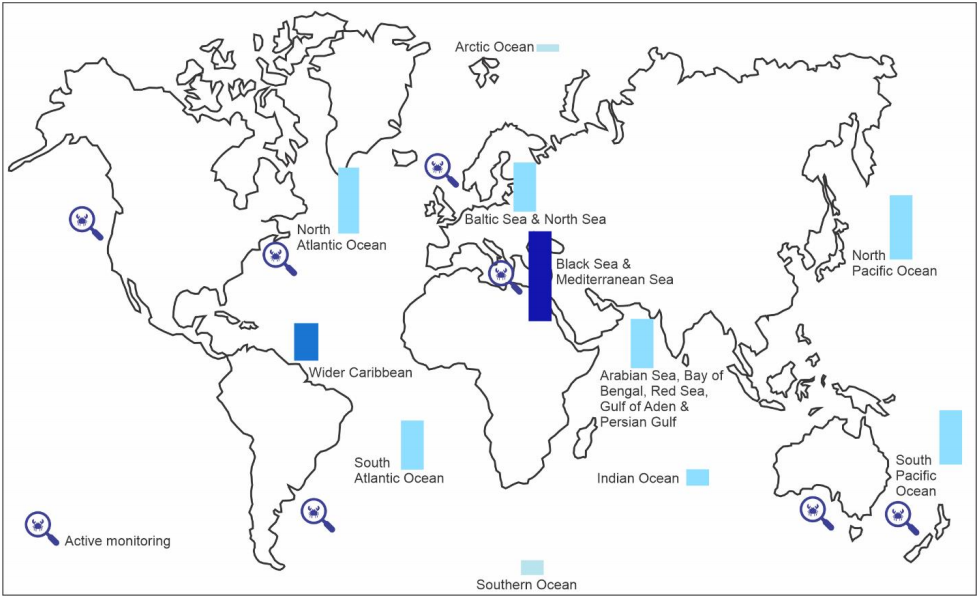
Figure II Species that have affected human health and well-being, socioeconomic and cultural assets and the marine environment
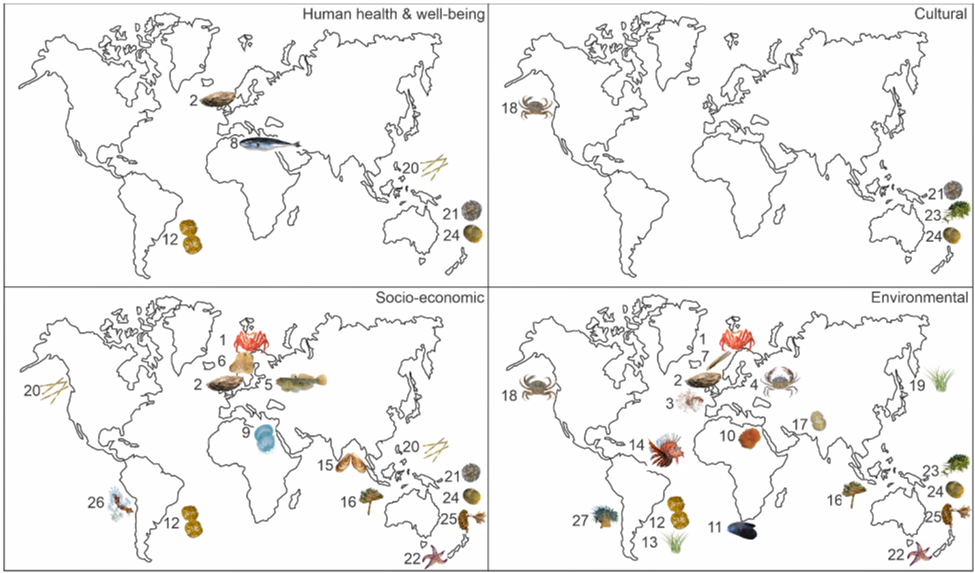
Table 1 Non-indigenous species that have had demonstrable impacts in ocean basins
| # | Species | Type of impact | Description | References |
|---|---|---|---|---|
| Arctic | ||||
| 1 | Red king crab Paralithodes camtschaticus | Socioeconomic; environmental | Despite being fished commercially in some areas, causes losses to fisheries in other areas; reduces biodiversity | Sundet and Hoel, 2016; Falk-Petersen and others, 2011 |
| North Atlantic Ocean | ||||
| 2 | Pacific oyster Magallana gigas (previously known as Crassostrea gigas) | Human health and well-being; socioeconomic; environmental | Carries disease-causing viruses; is extensively farmed; alters habitat structure, phytoplankton communities and food webs; reduces biodiversity | Ueki and others, 2021; Des and others, 2022; Troost, 2010 |
| 3 | Red seaweed Dasysiphonia japonica | Environmental | Reduces seaweed diversity | Newton and others, 2013 |
| Baltic Sea | ||||
| 4 | Mud crab Rhithropanopeus harrisii | Environmental | Has caused a regime shift through consumption of native species | Kotta and others, 2018 |
| 5 | Round goby Neogobius melanostomus | Socioeconomic | Negatively affects commercial species, but is also fished commercially | Ustups and others, 2016 |
| North Sea | ||||
| 6 | Carpet sea squirt Didemnum vexillum | Socioeconomic | Threatens shellfish aquaculture | Gittenberger, 2010 |
| Mediterranean Sea | ||||
| 7 | Atlantic jackknife clam Ensis directus | Environmental | Alters food webs as it becomes a dominant food source | Tulp and others, 2010 |
| 8 | Silver-cheeked toadfish Lagocephalus sceleratus | Human health and well-being | Causes poisoning and human fatalities | Ulman and others, 2024 |
| 9 | Nomad jellyfish Rhopilema nomadica | Socioeconomic | Negatively affects commercial fisheries | Ghermandi and others, 2015 |
| 10 | Epiphytic algae Lophocladia lallemandii | Environmental | Smothers native seagrasses | El Zrelli and others, 2021 |
| South Atlantic Ocean | ||||
| 11 | Mediterranean mussel Mytilus galloprovincialis | Environmental | Changes rocky shore communities and outcompetes native mussels | Sadchatheswaran and others, 2015 |
| 12 | Dinoflagellate Alexandrium sp. | Human health and well-being; socioeconomic; environmental | Causes poisoning when consumed, resulting in losses for artisanal fisheries; has even caused the death of whales | Gayoso and others, 2006 |
| 13 | Smooth cordgrass Spartina alterniflora | Environmental | Alters ecosystem functioning | Bortolus and others, 2015 |
| Wider Caribbean | ||||
| 14 | Lionfish Pterois spp. | Environmental | Consumes native fish | Côté and others, 2013 |
| Indian Ocean | ||||
| 15 | Black-striped mussel Mytilopsis sallei | Socioeconomic | Clogs water intakes, fouls ships and maritime infrastructure | Rao and others, 1989; Tan and Morton, 2006 |
| 16 | Mediterranean fanworm Sabella spallanzanii | Socioeconomic; environmental | Fouls mussel farms; alters recruitment of native sessile communities | Hewitt, 2003; Halloway and Keough, 2002 |
| Persian Gulf | ||||
| 17 | Dinoflagellate Heterocapsa circularisquama | Environmental | Has caused mass mortality of bivalves | Saburova and others, 2022 |
| North Pacific | ||||
| 18 | European green crab Carcinus maenas | Environmental; cultural | Eats native species, competes with native crabs and degrades eelgrass habitats | Howard and others, 2019; Barclay and others, 2024; Fisher and others, 2024 |
| 19 | Smooth cordgrass Spartina alterniflora | Environmental | Alters physical, biological and biochemical processes | Lee and others, 2024 |
| 20 | Diatoms of the genus Pseudo-nitzschia | Human health and well-being; socioeconomic | Their blooms cause poisoning and fishery closures | Kim and others, 2018; Perry and others, 2023 |
| South Pacific | ||||
| 21 | Dinoflagellate Alexandrium catenella | Human health and well-being; socioeconomic; cultural | Causes shellfish poisoning, which forces commercial and recreational fisheries to close | Trainer and others, 2020 |
| 22 | Northern Pacific seastar Asterias amurensis | Socioeconomic; environmental | Predates upon native and commercially important species | Ross and others, 2002; 2003 |
| 23 | Green algae Caulerpa spp. | Cultural; environmental | Overgrows benthic habitats and smothers culturally important seagrass | Scott, 2021; Gribben and others, 2013 |
| 24 | Dinoflagellate Karenia mikimotoi | Human health and well-being; socioeconomic;cultural; environmental | Causes poisoning and skin irritation in people; kills native species; prevents collection of marine resources by communities and negatively affects fisheries | Li and others, 2019 |
| 25 | Wakame Undaria pinnatifida | Socioeconomic; Environmental | Fouls aquaculture infrastructure and outcompetes native kelp | Carnell and Keough, 2014; Watts and others, 2015 |
| 26 | Snowflake coral Carijoa riisei | Environmental | Displaces native corals | Sanchez and Ballesteros, 2014 |
| 27 | Plumose anemone Metridium senile | Socioeconomic | Overgrows aquaculture infrastructure | Häussermann and others, 2022 |
Source: Prepared by the writing team.