
High-latitude ice
Writing team: Walker O. Smith, Jr. (coordinating author), Ted Maksym, Enrique Marschoff (lead member), Robert A. Massom, Olga V. Sergienko, Vasily Smolyanitsky (co-lead member) and Sharon E. Stammerjohn.
Key points
- Loss of continental ice has accelerated from the Greenland ice sheet since the early 1990s and from Antarctic ice sheets since the late 1990s, contributing 21.0 mm to global sea-level rise from 1992 to 2020.
- Arctic sea ice will continue to decline in the future, leading to model predictions of occurrences of an ice-free Arctic Ocean during Septembers by mid-21st century.
- The abrupt reduction in Antarctic sea ice extent and duration since 2016 may herald a fundamental change in the Southern Ocean.
1. Introduction
The present subchapter focuses on two key components of Earth's climate system - sea ice and ice sheets - and how they respond to climate change. It highlights the substantial changes occurring in high-latitude cryospheres of both polar regions and their influences on the ocean and atmosphere, in particular physical impacts, as biological impacts were treated previously (Ref 53, Ref 54). Sea ice forms from freezing seawater as the ocean cools each autumn and winter. Ice sheets, on the other hand, comprise glacial ice formed from snow accumulation over thousands of years which compacts and flows seaward under gravity. The mass loss from ice sheets injects large volumes of freshwater into the ocean and contributes to sea level rise. Sea ice and ice sheets profoundly influence - and are strongly impacted by - the ocean and the atmosphere.
Interactions of the polar cryosphere with the ocean and atmosphere impact global circulation and lower-latitude atmospheric patterns and influence global weather and climate, the ocean's freshwater budget, the uptake of anthropogenic heat and carbon and global sea level rise. Similarly, polar systems are influenced by atmospheric teleconnections to lower latitudes and ocean variability there. At the same time, changes in the extent, mass, formation and melt, thickness and properties of polar ice can accelerate change via complex feedback processes Ref 12. As a thin veneer that lies between the ocean and atmosphere, sea ice reacts to change and variability in weather patterns and climate drivers at sub-daily, seasonal and decadal time scales. In contrast, the Antarctic and Greenland Ice Sheets respond over centuries to millennia, although more rapid changes are beginning to occur. In short, ice sheets and sea ice are both sensitive indicators and influencers of climate change and variability via highly coupled ocean-atmosphere-cryosphere processes.
2. Arctic and Antarctic sea-ice systems
Similarities and contrasts
Sea ice includes pack ice that is in constant motion due to winds and ocean currents and fast ice that is attached to coastal margins. Each year, Earth's high-latitude oceans are transformed by the advance and retreat of sea ice driven by seasonal changes in ocean and atmosphere temperatures, wind patterns and solar insolation. In the Arctic, sea-ice extent varies between approximately 15 x 106 km2 in March to approximately 6 x 10⁶ km2 in September (figure I). The lowest Arctic sea-ice extent since the start of the satellite record in 1979 occurred in September 2012 (3.39 x 10⁶ km2). In contrast, Antarctic sea-ice extent varies between approximately 19 x 106 km2 in September to approximately 3 x 10⁶ km2 in February (figure II), with the lowest summer minimum on record being in 2023 (1.79 x 10⁶ km2). Sea ice greatly influences biological processes in both polar systems by impacting light, nutrients and food availability and by forming habitats for the diverse biota Ref 52 (Ref 53).
There are distinct differences between the two polar sea-ice systems due to differences in their geographical settings, processes of sea-ice formation and decay and ice-ocean-atmosphere interactions Ref 51 Ref 27. Arctic sea ice largely forms within the Arctic Ocean basin and is constrained by adjacent land masses (although sea ice in the Bering and East Greenland Seas is unconstrained). Large-scale sea-ice motion is dominated by an atmospheric high-pressure system in the Western Arctic, the oceanic Transpolar Drift Stream in the central Arctic and the Beaufort Gyre, the first two of which export sea ice into the North Atlantic through the Fram Strait.
In contrast, Antarctic sea ice seasonally expands outward from (then retreats back to) the Antarctic continent, thereby buffering (then exposing) the coastal margins of the Antarctic Ice Sheet Ref 41. In winter, Antarctic sea ice extends to lower latitudes compared to the Arctic, while continually being exposed to the high winds and waves of the Southern Ocean Ref 30. The overall configuration and motion of the Antarctic sea ice reflects large-scale patterns of atmospheric and ocean circulation Ref 16. Regional variations in these factors combine to create variations in timings of annual ice-edge advance, retreat, annual duration and maximum and minimum sea-ice extent Ref 44. Antarctic sea-ice extent displays high variability over temporal scales of days to weeks due to changing winds and temperatures associated with the passage of cyclones Ref 55. On seasonal and interannual timescales, sea-ice extent and the timings of sea-ice advance and retreat are influenced by modes of climate variability such as the El Niño-Southern Oscillation Ref 44 and the Southern Annular Mode, the latter being a function of the surface pressure gradient between Antarctica and mid-latitudes Ref 28.
Sea-ice thickness strongly influences the heat and freshwater budgets of both polar oceans Ref 26. Historically, Arctic sea ice was substantially thicker, with maximum thickness reaching 6 m. In recent years much of the multiyear ice has disappeared and Arctic sea ice is now 1-2 m thick Ref 24 and largely first-year ice, thus being similar to the typical approximately 1 m thick Antarctic first-year ice (Worby and others, 1998). Fast ice is confined to narrow coastal bands ranging from a few kilometers to hundreds of kilometers wide in both the Antarctic and Arctic - depending on coastal configuration and bathymetry and the distribution of grounded icebergs - and can be annual or perennial Ref 25 Ref 8.
There are also differences in the oceanic settings of the two polar systems. Arctic water columns are strongly stratified, with low-salinity water at the surface underlain by a cold, salty halocline that insulates the sea ice from the warm, deeper Atlantic Water Ref 46. In the Antarctic, the upper water column is substantially saltier (although freshening in recent years)Ref 53, allowing mixing to greater depths and a strong upward transfer of heat from warm circumpolar deep water that limits the thermodynamic growth of Antarctic sea ice to approximately 70 cm Ref 29. Only during summer does the surface of the Southern Ocean become seasonally stratified by sea-ice melt Ref 14.
Due to its high reflectance and low thermal conductivity, snow that accumulates on sea ice substantially modifies the physical and optical properties and growth/melt rates of the ice and its interactions with the ocean and atmosphere Ref 49. Snow depths on sea ice tend to be greater in the Antarctic than in the Arctic due to higher precipitation over the Southern Ocean Ref 57. Sea ice also seasonally limits solar heating of the upper ocean and also acts as an insulating barrier between the ocean and atmosphere that reduces exchanges of heat and gases (e.g. water vapor, carbon dioxide (CO2)), as well as vertical mixing of the upper ocean. Seasonal sea-ice formation and decay releases vast volumes of brine and freshwater in winter and/or summer, respectively Ref 32. In coastal regions in the Weddell Sea, Ross Sea, parts of East Antarctica and in the Labrador and Greenland Seas, particularly high rates of sea-ice formation generate large volumes of dense brine, which sink to form bottom waters that drive the global thermohaline circulation Ref 1.
Greenland and Antarctic ice sheets
Continent-wide estimates of ice-sheet mass budgets for both Greenland and Antarctica have been completed Ref 36. The Greenland and Antarctic ice sheets together store approximately 68% of Earth's freshwater. The Greenland ice sheet is approximately 1.7 x 10⁶ km2 in area, has a mean thickness of 1.67 km and contains 2.9 x 10⁶ km3 of ice (equivalent to a 7.4 m rise in sea level if completely melted Ref 23). It lies on bedrock above sea level and drains into fjords through outlet glaciers. The Antarctic ice sheet covers approximately 14 x 106 km2, has a mean thickness of 2.16 km and contains 26.9 x 10⁶ km3 of ice Ref 9, enough to raise sea level by 58 m if melted. The Antarctic ice sheet has three components: the West and East Antarctic ice sheets and the Antarctic Peninsula. Unlike the Greenland ice sheet and much of the East Antarctic ice sheet, a large portion of the West Antarctic ice sheet rests on bedrock that is below sea level and more vulnerable to climate change than ice-sheet areas that are grounded above sea level. The East Antarctic ice sheet is substantially higher and thicker than the West Antarctic ice sheet Ref 33 and its response to climate warming represents the largest unknown in projections of future sea-level rise Ref 18.
Ice sheets affect the ocean by releasing large volumes of freshwater through four processes Ref 47:
- Surface meltwater runoff (extensive across Greenland and the Antarctic Peninsula in summer)
- Discharge of sub-glacial meltwater (largely occurs in Greenland; see figure III)
- Basal melting of floating ice shelves through their contact with warm waters (predominantly for Antarctic ice shelves; see figure IV)
- Iceberg calving.
Icebergs
Calving, the process by which ice mechanically fractures to form icebergs, is a natural and continuous process in the evolution of ice shelves and marine-terminating glaciers and has been estimated to account for half of the ice lost annually from both the Antarctic ice sheet Ref 6 and the Greenland ice sheet Ref 43. Icebergs drift large distances, or ground on shallow banks where they reside for multiple years and influence coastal sea-ice processes (polynya and fast-ice formation) and in particular conditions around Antarctica Ref 2. The Antarctic ice sheet, with its seaward margin of numerous floating ice shelves and ice tongues, produces vast numbers of icebergs that vary greatly in size, with the largest tabular iceberg being over 10,000 km2 Ref 4. Greenland icebergs are typically small, with dimensions similar to the thickness of the source glacier front Ref 40.
3. Change and variability in the Arctic Ocean cryosphere system
Arctic sea ice
The response of Arctic sea ice to climate change has been dramatic (all sea ice data are available from the National Snow and Ice Data Center Sea Ice Index and the European Space Agency Climate Change Initiative; see figure V). The current high rate of Arctic sea-ice loss and associated surface-ocean warming is unprecedented in the past 1,500 years Ref 35. Annual sea-ice extent has declined since 1979 (the start of the satellite record) but slowed since 2007, with losses being greatest in the East Siberian, Chukchi, Laptev, Barents and Kara Seas Ref 20. The September reduction in sea-ice extent is greatest in the Beaufort and Chukchi Seas, but the greatest March reduction has been in the Greenland and Barents Seas. The Arctic sea-ice extent summer reduction has increased open-water duration and reduced sea-ice age Ref 24 and thickness Ref 37. Prior to 1970, multiyear ice covered most of the Arctic Ocean (i.e. approximately 5.5 x 10⁶ km2 in winter). Thereafter, the multiyear ice area decreased to a minimum of 1.6 x 10⁶ km2 in 2017 Ref 24 and now the Arctic is largely covered by thinner first-year ice that is more vulnerable to seasonal melt Ref 48. Climate models project a continued decline, resulting in an ice-freeⓘ end of summer Arctic Ocean by 2050 Ref 22 Ref 20.
Greenland ice sheet
The mass loss of the Greenland ice sheet is the second largest contributor to sea-level rise after ocean thermal expansion Ref 58, contributing approximately 14±2 mm between 1992 and 2020 at a loss rate of 169 gigatons per year, representing a 645% increase relative to its historical contribution (from 1992 to 1996) Ref 36. The enhanced loss of ice from the Greenland ice sheet results from changes in atmospheric and oceanic forcing that drive increases in surface and submarine melting and calving Ref 13.
4. Change and variability in the Antarctic Ocean-Cryosphere System
Southern Ocean sea ice
The circumpolar average of Antarctic sea-ice extent increased slightly between 1979 and 2015, reaching consecutive record-high winter sea-ice extents in 2012, 2013 and 2014, but then decreased substantially in 2016, reaching consecutive record-low summer sea-ice extents in 2017, 2022, 2023 and 2024. Extreme record-low winter sea-ice extent occurred in 2023 and 2024. Since the winter of 2015, seasonal sea-ice extent has remained largely below the mean from 1979 to 2024 (figure VI), potentially heralding a regime shift in the Southern Ocean Ref 15. An observed shift to longer persistence of sea-ice anomalies, changed response to atmospheric forcing and increases in the spatial coherence of anomalies Ref 15 (Schroeter and others, 2023) could indicate a fundamental change in the highly coupled sea ice-ocean-atmosphere system (Ref 39) Ref 7 Ref 38.
Antarctic ice sheet
Between 1992 and 2020, the Antarctic ice sheet lost 2,671 gigatons of ice, equivalent to 7.4 mm of sea-level rise or nearly half of the Greenland ice sheet contribution. Antarctica's contribution to sea-level rise increased from 0.14 mm per year between 1992 and 1999 to 0.39 mm per year from 2010 to 2020 Ref 36. Most of this loss has come from the West Antarctic ice sheet, where major outlet glaciers (Pine Island and Thwaites) have undergone enhanced melting, thinning and retreat leading to increased discharge of grounded ice Ref 21. The Antarctic Peninsula has shed 13 gigatons per year, while East Antarctica remains near equilibrium. East Antarctica, however, constitutes the most uncertain component in future predictions of Antarctica's contribution to sea level rise Ref 10.
Antarctic ice shelves
Of paramount importance to the Antarctic ice sheet-ocean system is the structural integrity of ice shelves, which are far less common around the Greenland ice sheet (Ref 3). Ice shelves play a crucial role in moderating the ice sheet's contribution to sea-level rise by buttressing the discharge of grounded ice mass into the ocean, yet they are the most vulnerable part of the ice sheet system, with recent extensive thinning due to basal melting by the increased presence of warm ocean waters within ice shelf cavities Ref 56. Moreover, abrupt ice-shelf mechanical disintegration has occurred, caused by thinning, melting and increased exposure to wave forcing along ice shelf fronts (e.g. on the Antarctic Peninsula) (Ref 31; figure VII). Rates of basal melting and calving vary regionally Ref 13 and are impacted by atmospheric and oceanic forcing. Iceberg calving is the largest factor affecting ice shelf area, whereas ice-front retreat and thinning are secondary factors (Ref 11). Large calving events (e.g. tabular iceberg B15) can disrupt Antarctic Bottom Water formation by decreasing sea-ice production in coastal polynyas (areas of vigorous ice production driven by persistent off-ice winds Ref 50). In addition, glacial meltwater inputs and ocean freshening can affect sea-ice production and in certain areas (e.g. the Ross Sea) can also influence Antarctic Bottom Water production Ref 19. There is substantial concern that various ice shelf and glacial response processes could lead to rapid ice loss (characterized by the IPCC (2023) as a low-likelihood, high-impact scenario for high rates of sea level rise), but the mechanisms for such collapse are uncertain (e.g. Ref 42; Ref 34).
5. Outlook
Under the current emission rates of greenhouse gases, ice coverage and volume will continue to decrease and the impacts of this reduction will increase markedly Ref 5. With increased open water in both polar regions and the loss of a protective sea-ice buffer, erosion of coastal margins will accelerate due to predicted increased storms and wave heights. Increased ice discharge from ice sheets will result in a heightened sea level, endangering coastal communities globally. Increased shipping and other human activities (e.g. tourism) in both regions will produce disturbance and release of pollutants, endangering regional biota. Loss of sea ice in both regions also has the potential to accentuate climate warming via complex feedback mechanisms Ref 12 which further accelerate ice loss.
6. Key remaining knowledge and capacity gaps
While significant advances have been made to understand processes driving cryospheric change in polar regions, further progress is urgently needed, given the global impacts of ice loss and the fact that climate models cannot as yet reliably predict future changes and their impacts. Specific gaps include:
- Understanding the recent abrupt declines in Antarctic sea ice (in particular those in autumn-winter) and potential future changes
- Quantifying the thickness distributions of Antarctic sea ice and its snow cover and determining whether these are changing
- Understanding subglacial processes under polar ice sheets that control ice discharge into surrounding oceans
- Understanding processes such as supraglacial and subglacial hydrology and iceberg calving mechanisms
- Quantifying processes impacting sea-level rise
- Reducing uncertainty in the timing of an open-water Arctic.
References
- Abernathey, Ryan, and others (2016). Water-mass transformation by sea ice in the upper branch of the Southern Ocean overturning. Nature Geosciences, vol. 9, pp. 596-601. https://doi.org/10.1038/ngeo2749.
- Barber, David G., and Robert A. Massom (2007). The role of sea ice in Arctic and Antarctic polynyas. In Walker O. Smith and David G. Barber, eds., Polynyas: Windows to the World's Oceans, pp. 1-54. Elsevier, Amsterdam.
- Bindschadler. Robert, and others (2011). Getting around Antarctica: new high-resolution mappings of the grounded and freely-floating boundaries of the Antarctic ice sheet created for the International Polar Year. The Cryosphere, vol. 5, pp. 569-588. https://doi.org/10.5194/tc-5-569-2011
- Budge, Jeffery S., and David G. Long (2018). A comprehensive database for Antarctic iceberg tracking using scatterometer data. IEEE Journal of Selected Topics in Applied Earth Observations and Remote Sensing, vol. 11, pp. 434 442.
- Chown, Steven L., and others, eds. (2022). Antarctic Climate Change and the Environment: A Decadal Synopsis and Recommendations for Action. Scientific Committee on Antarctic Research, Cambridge, United Kingdom.
- Depoorter, M A., and others (2013). Calving fluxes and basal melt rates of Antarctic ice shelves. Nature, vol. 502, pp. 89-92. https://doi.org/10.1038/nature12567.
- Eayrs, Clare, and others (2021). Rapid decline in Antarctic sea ice in recent years hints at future change. Nature Geosciences, vol. 14, pp. 460-464. https://doi.org/10.1038/s41561-021-00768-3.
- Fraser, Alexander D., and others (2021). Eighteen-year record of circum-Antarctic landfast sea ice distribution allows detailed baseline characterisation, reveals trends and variability. The Cryosphere, vol. 15, pp. 5061-5077. https://doi.org/10.5194/tc-15-5061-2021.
- Fretwell, Peter, and others (2013). Bedmap2: improved ice bed, surface and thickness datasets for Antarctica, The Cryosphere, vol. 7, pp. 375-393, https://doi.org/10.5194/tc-7-375-2013.
- Fricker, Helen A., and others (2025). Antarctica in 2025: Drivers of deep uncertainty in projected ice loss. Science, vol. 387, pp. 601-609. https://doi.org/10.1126/science.adt9619.
- Greene, Chad A., and others (2024). Ubiquitous acceleration in Greenland Ice Sheet calving from 1985 to 2022. Nature, vol. 625, pp. 523-528. https://doi.org/10.1038/s41586-023-06863-2.
- Goosse, Hugues, and others (2018). Quantifying climate feedbacks in polar regions. Nature Communications, vol. 9, art. 1919. https://doi.org/10.1038/s41467-018-04173-0.
- Hanna, Edward, and others (2024). Short- and long-term variability of the Antarctic and Greenland ice sheets. Nature Reviews Earth & Environment, vol. 5, pp. 193-210. https://doi.org/10.1038/s43017-023-00509-7.
- Haumann, F. Alexander, and others (2016). Sea-ice transport driving Southern Ocean salinity and its recent trends. Nature, vol. 537, pp. 89-92. https://doi.org/10.1038/nature19101.
- Hobbs, Will, and others (2024). Observation evidence for a regime shift in summer Antarctic sea ice. Journal of Climate, vol. 37, pp. 2263-2275. https://doi.org/10.1175/JCLI-D-23-0479.1.
- Holland, Paul R., and Ron Kwok (2012). Wind-driven trends in Antarctic sea-ice drift. Nature Geoscience, vol. 5, pp. 872-875. https://doi.org/10.1038/ngeo1627.
- ICCI (2023). State of the Cryosphere 2023 - Two Degrees is Too High. International Cryosphere Climate Initiative (ICCI), Stockholm, Sweden. 62 pp.
- IPCC (2023). Climate Change 2023: Synthesis Report. Contribution of Working Groups I, II and III to the Sixth Assessment Report of the Intergovernmental Panel on Climate Change. Core Writing Team, H. Lee and J. Romero, eds. IPCC, Geneva, Switzerland, pp. 35-115. https://doi.org/10.59327/IPCC/AR6-9789291691647.
- Jacobs, Stanley S., and Claudia F. Giulivi (2010). Large multidecadal salinity trends near the Pacific- Antarctic continental margin. Journal of Climate, vol. 23, pp. 508-524. https://doi.org/10.1175/2010JCLI3284.1.
- Jahn, Alexandra, and others (2024). Projections of an ice-free Arctic Ocean. Nature Reviews Earth & Environment, vol. 5, pp. 164-176. https://doi.org/10.1038/s43017-023-00515-9.
- Jenkins, Adrian, and others (2018). West Antarctic Ice Sheet retreat in the Amundsen Sea driven by decadal oceanic variability. Nature Geoscience, vol. 11, No. 10, pp. 733-738. https://doi.org/10.1038/s41561-018-0207-4.
- Kim, Yeon-Hee, and others (2023). Observationally-constrained projections of an ice-free Arctic even under a low emission scenario. Nature Communications, vol. 14, art. 3139. https://doi.org/10.1038/s41467-023-38511-8.
- Kulp, S.A., and Strauss, B.H. (2019). New elevation data triple estimates of global vulnerability to sea-level rise and coastal flooding. Nature Communications, vol. 10, art. 4844. https://doi.org/10.1038/s41467-019-12808-z.
- Kwok, Ron (2018). Arctic sea ice thickness, volume, and multiyear ice coverage: losses and coupled variability (1958-2018). Environmental Research Letters, vol. 13, art. 105005, https://doi.org/10.1088/1748-9326/aae3ec.
- Mahoney, Andy (2018). Landfast ice in a changing Arctic, in Arctic Report Card 2018. https://arctic.noaa.gov/report-card/report-card-2018/landfast-sea-ice-in-a-changing-arctic/.
- Maksym, Ted, and others (2012). Antarctic sea ice - a polar opposite. Oceanography, vol. 25, no. 3, pp. 140-51. http://www.jstor.org/stable/24861407.
- Maksym, Ted (2019). Arctic and Antarctic sea ice change: contrasts, commonalities, and causes. Annual Review of Marine Science, vol. 11, pp. 187-213. https://doi.org/10.1146/annurev-marine-010816-060610.
- Marshall, Gareth (2003). Trends in the Southern Annular Mode from observations and reanalyses. Journal of Climate, vol. 16, pp. 4134-4143. https://doi.org/10.1175/1520-0442.
- Martinson, Douglas G. (1990) Evolution of the Southern Ocean winter mixed layer and sea ice: open ocean deep water formation and ventilation. Journal of Geophysical Research, vol. 95, No. C7, pp. 11641-11654. https://doi.org/10.1029/JC095iC07p11641.
- Massom, Robert, and Sharon Stammerjohn (2010). Antarctic sea ice change and variability - physical and ecological implications, Polar Science, vol. 4, pp. 149-186, https://doi.org/10.1016/j.polar.2010.05.001.
- Massom, Robert, and others (2018). Antarctic ice shelf disintegration triggered by sea ice loss and ocean swell. Nature, vol. 558, pp. 383-389, https://doi.org/10.1038/s41586-018-0212-1.
- Meredith, Michael R., and Mark A. Brandon (2017). Oceanography and sea ice in the Southern Ocean. In Sea Ice, 4th Edition, Wiley, David Thomas, ed.
- Morlighem, Mathieu, and others (2017). BedMachine v3: Complete bed topography and ocean bathymetry mapping of Greenland from multibeam echo sounding combined with mass conservation, Geophysical Research Letters, vol. 44, pp. 11,051-11,061. https://doi.org/10.1002/2017GL074954.
- Morlighem, Mathieu, and others (2024). The West Antarctic Ice Sheet may not be vulnerable to marine ice cliff instability during the 21st century. Science Advances, vol. 10, eado7794. https://doi.org/10.1126/sciadv.ado7794.
- Osborne, Emily, and others (2017). Palaeoceanographic perspectives on Arctic Ocean change. In Arctic Report Card, 2017. https://www.arctic.noaa.gov/Report-Card.
- Otosaka, Inès N., and others (2023). Mass balance of the Greenland and Antarctic ice sheets from 1992 to 2020. Earth Systems Science Data, vol. 15, pp. 1597-1616. https://doi.org/10.5194/essd-15-1597-2023.
- Petty, Alek, and others (2023). Winter Arctic sea ice thickness from ICESat-2: upgrades to freeboard and snow loading estimates and an assessment of the first three winters of data collection. The Cryosphere, vol. 17, pp. 127-156. https://doi.org/10.5194/tc-17-127-2023.
- Purich, Ariaan, and Edward Doddridge (2023). Record low Antarctic sea ice coverage indicates a new sea ice state. Nature Communication Earth and Environment, vol. 4, art. 314. https://doi.org/10.1038/s43247-023-00961-9.
- Raphael, Marilyn, and Mark Handcock (2022). A new record minimum for Antarctic sea ice. Nature Reviews Earth and Environment, vol. 3, pp. 215-216. https://doi.org/10.1038/s43017-022-00281-0.
- Reeh, Niels, and others (2001). Sea ice and the stability of north and northeast Greenland floating glacier. Annals of Glaciology, vol. 33, pp. 474-480. https://doi.org/10.3189/172756401781818554.
- Reid, Phil E., and Robert A. Massom (2022). Change and variability in Antarctic coastal exposure, 1979-2020. Nature Communications, vol. 13, art. 1164. https://doi.org/10.1038/s41467-022-28676-z.
- Sergienko, Olga (2022). No general stability conditions for marine ice-sheet grounding lines in the presence of feedbacks. Nature Communications, vol. 13, art. 2265. https://doi.org/10.1038/s41467-022-29892-3.
- Shiggins, Conner J., and others (2023). Automated ArcticDEM iceberg detection tool: insights into area and volume distributions, and their potential application to satellite imagery and modelling of glacier-iceberg-ocean systems. The Cryosphere, vol. 17, pp. 15-32. https://doi.org/10.5194/tc-17-15-2023.
- Stammerjohn, Sharon E., and others (2008). Sea ice in the western Antarctic Peninsula region: Spatio-temporal variability from ecological and climate change perspectives. Deep-Sea Research II, vol. 55, pp. 2041-2058. https://doi.org/10.1016/j.dsr2.2008.04.026.
- Stammerjohn, Sharon E., and others (2012). Regions of rapid sea ice change: an interhemispheric seasonal comparison. Geophysical Research Letters, vol. 39, art. L06501. https://doi.org/10.1029/2012GL050874.
- Steele, Michael, and Timothy Boyd (1998). Retreat of the cold halocline layer in the Arctic Ocean. Journal of Geophysical Research Oceans, vol. 103, pp. 10419-10435. https://doi.org/10.1029/98JC00580.
- Straneo, Fiametta, and others (2019). The case for a sustained Greenland Ice Sheet-Ocean Observing System (GrIOOS). Frontiers in Marine Science, vol. 6, art. 138. https://doi.org/10.3389/fmars.2019.00138.
- Stroeve, Jullienne, and Dirk Notz (2018). Changing state of Arctic sea ice across all seasons. Environmental Research Letters, vol. 13, art. 103001. https://doi.org/10.1088/1748-9326/aade56.
- Sturm, Matthew, and Robert Massom (2017). Snow in the sea ice system: friend or foe? In Sea Ice, 4th Edition, Wiley, David Thomas, ed.
- Tamura, Takeshi, and others (2012). Potential regime shift in decreased sea ice production after the Mertz Glacier calving. Nature Communications, vol. 3, art. 826. https://doi.org/10.1038/ncomms1820.
- Turner, John, and James Overland (2009). Contrasting climate change in the two polar regions. Polar Research, vol. 28, pp. 146-164. https://doi.org/10.1111/j.1751-8369.2009.00128.x.
- United Nations (2017). Chapter 46: High-latitude ice and the biodiversity dependent on it. In The First Global Integrated Marine Assessment: World Ocean Assessment I. Cambridge: Cambridge University Press.
- United Nations (2022a). Chapter 7K: High-latitude ice. In The Second Global Integrated Marine Assessment: World Ocean Assessment II. Cambridge: Cambridge University Press.
- United Nations (2022b). Chapter S4.C3: Trends in the physical and chemical state of the ocean. In The Second Global Integrated Marine Assessment: World Ocean Assessment II. Cambridge: Cambridge University Press.
- Uotila, Petteri, and others (2011). Relationships between Antarctic cyclones and surface conditions as derived from high-resolution numerical weather prediction data, Journal of Geophysical Research, vol. 116, art. D07109. https://doi.org/10.1029/2010JD015358.
- Verfaillie, Deborah, and others (2022). The circum-Antarctic ice-shelves respond to a more positive Southern Annular Mode with regionally varied melting. Nature Communications Earth and Environment, vol. 3, art. 139. https://doi.org/10.1038/s43247-022-00458-x.
- Webster, Melinda and others (2018). Snow in the changing sea-ice systems. Nature Climate Change, vol. 8, pp. 946-953. https://doi.org/10.1038/s41558-018-0286-7.
Zemp, Michael, and others (2019). Global glacier mass changes and their contributions to sea-level rise from 1961 to 2016. Nature, vol. 568, pp. 382-386. https://doi.org/10.1038/s41586-019-1071-0.
Worby, A. P., R. A. Massom, I. Allison, V. I. Lytle, and P. Heil (1998), East Antarctic sea ice: A review of its structure, properties and drift, in Antarctic Sea Ice: Physical Processes, Interactions, and Variability, Antarct. Res. Ser., vol. 74, edited by M. O. Jeffries, pp. 41–67, AGU, Washington, D. C.
Schroeter, S., O'Kane, T. J., and Sandery, P. A.: Antarctic sea ice regime shift associated with decreasing zonal symmetry in the Southern Annular Mode, The Cryosphere, 17, 701–717, https://doi.org/10.5194/tc-17-701-2023, 2023.
IMBIE Team: Mass balance of the Greenland Ice Sheet from 1992 to 2018, Nature, 579, 233–239, https://doi.org/10.1038/s41586-019-1855-2, 2020.
Greene, Chad.A., and others (2024). Ubiquitous acceleration in Greenland Ice Sheet calving from 1985 to 2022. Nature, vol. 625, pp. 523-528. https://doi.org/10.1038/s41586-023-06863-2.
Figure I Seasonal mean sea-ice extent in the Arctic and its variability
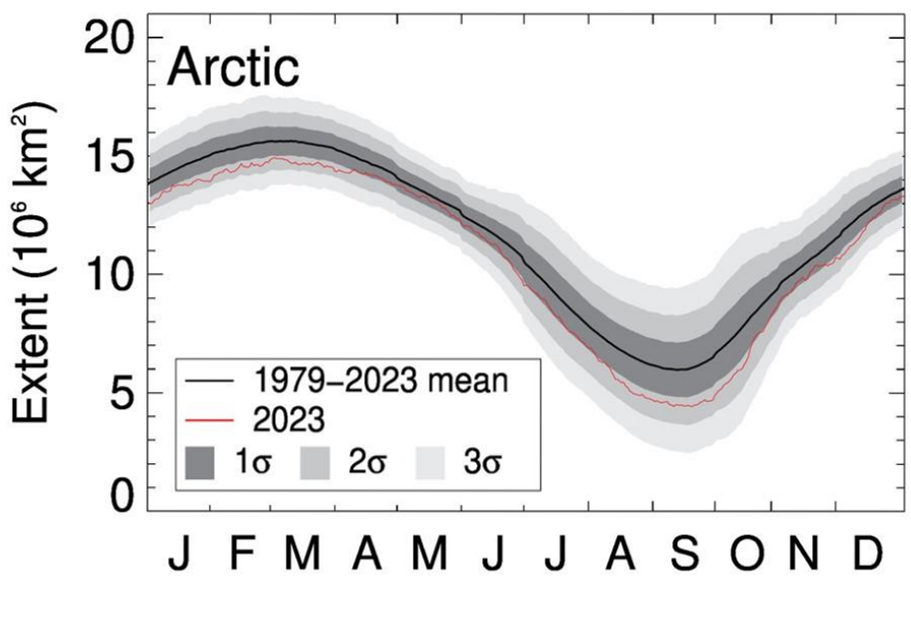
Figure II Seasonal mean sea-ice extent in the Antarctic and its variability
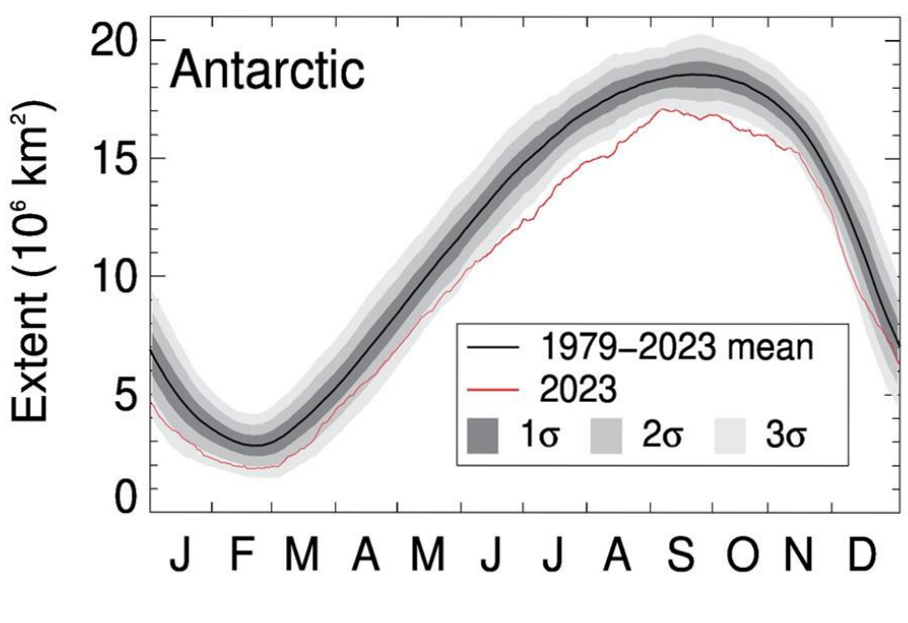
Figure III Processes responsible for changes in ice in the Greenland ice sheet
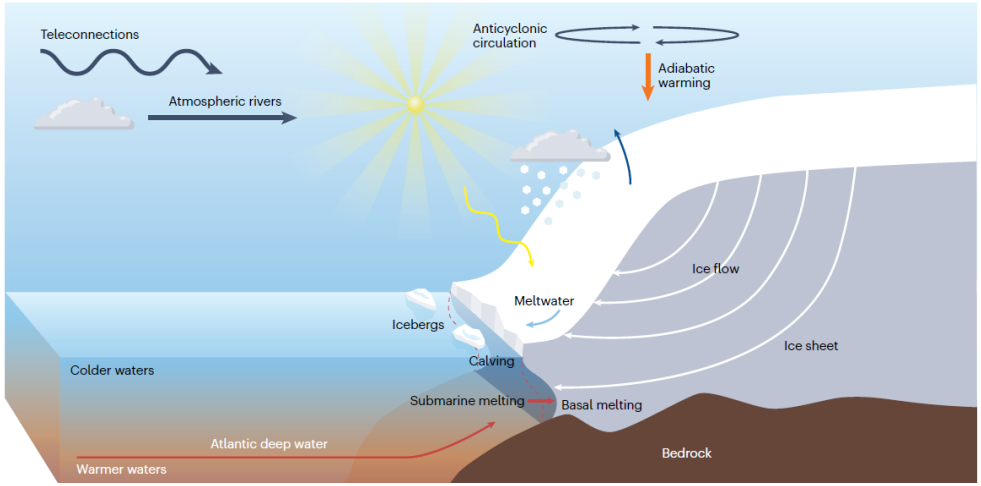
Figure IV Processes responsible for changes in ice in Antarctic ice sheets
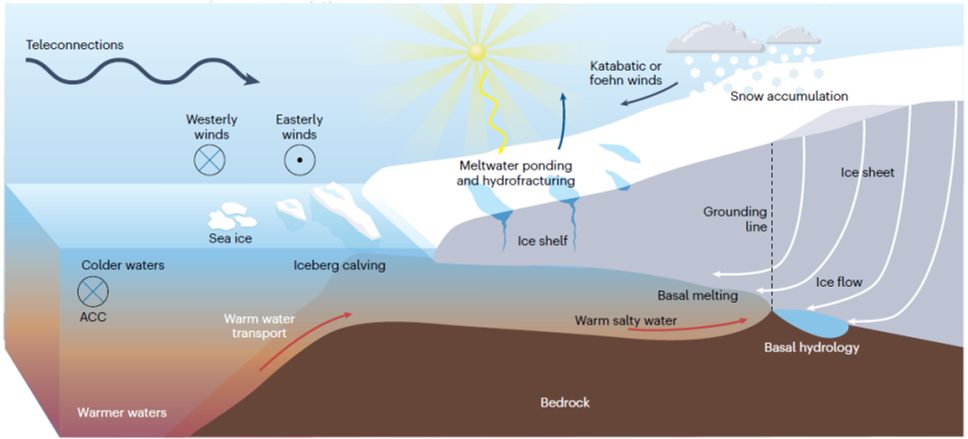
Figure V Annual Arctic sea-ice extent since 1979
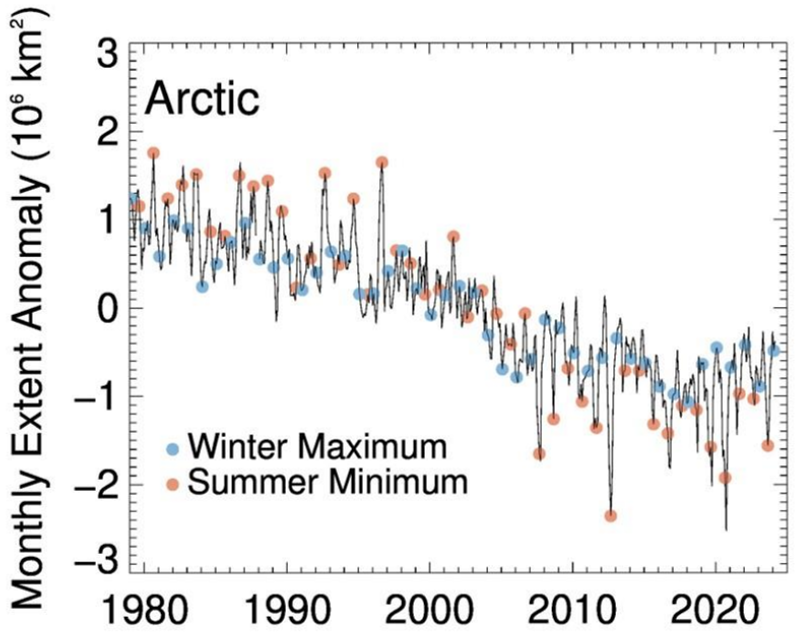
Figure VI Annual Antarctic sea-ice extent since 1979
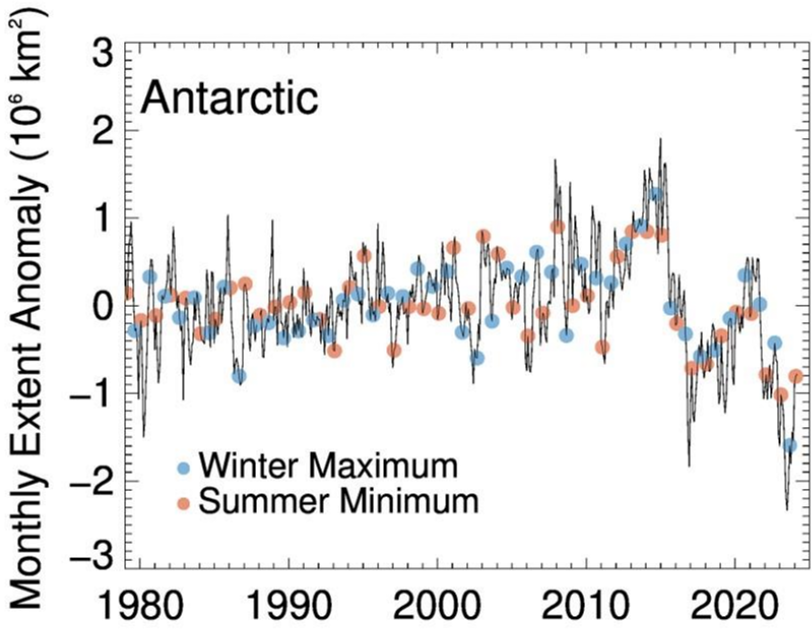
Figure VII Cumulative ice sheet mass changes for ice sheets in Greenland and Antarctica
