
Atolls and their lagoons and islands
Writing team: Luigi Jovane (coordinating author), Antónia Correia, André W. Droxler, Miguel Mies, Felicia Mogo (co-lead member), Roberto de Pinho (lead member), Alessio Rovere, Jody M. Webster and Fiona Whitaker.
Key points
- New antecedent karst theory for the origin of atolls and atoll islands as an alternative to Darwin's subsidence theory.
- New concepts on the hydrogeology of atolls and atoll islands.
- Updated perspective on atolls and lagoons and tourism.
- Production of carbonate sands and sediment transport during anomalous storm events and its role in maintaining the sediment supply to atoll islands.
- Increasing alteration of the functioning of critical ecological processes on atolls by global and local stressors.
- Need for conservation measures for atoll ecosystems to be focused on reducing carbon dioxide (CO2) emissions, enforcing marine protected areas (MPAs), promoting sustainable use, engaging communities and supporting research.
1. Introduction
Atolls are ring-shaped coral reefs encircling lagoons, commonly found in tropical and subtropical seas (see figure I). Atoll islands are morphologically coherent wave-built accumulations of bioclastic sediment located on atoll rims or on patch reefs within atoll lagoons and emergent at all stages of the tide. Distant from continental influence, atolls are usually surrounded by abyssal depths, although their reef crests rise close to mean sea level and enclose lagoons that range from a few meters to 70 m deep Ref 114. At a broader scale, the diameter of an atoll typically spans from a few kilometres to several dozen kilometres. Worldwide, there are some 268 atolls, with a further 171 subtidal atoll reefs with little or no island development Ref 46. Lagoons are often euhaline, with ocean water being exchanged through reef passages or by means of indirect mechanisms, but many atolls in the Central Pacific have isolated lagoons that range from hypersaline to brackish or fresh. Atolls serve as habitats of global significance for tropical biodiversity, including seabirds, marine turtles and other keystone island species, while inhabited "atoll nations" serve as home to Indigenous Peoples and cultures Ref 138 Ref 139.
2. Environmental changes since the second World Ocean Assessment
Further baseline information on atolls and their lagoons and islands can be found in the supplementary materials and in chapter 7 of the first World Ocean Assessment and chapter 7C of the second Assessment. According to Darwin's "subsidence theory", atolls form as volcanic islands gradually sink, with coral growth keeping pace, creating a reef-ringed lagoon Ref 25 Ref 26. In contrast, according to the "antecedent karst theory" Ref 32, atolls develop from pre-existing limestone karst topography, with dissolution and erosion shaping the reef structure before submersion. In essence, the emphasis of the former theory is vertical subsidence, while the emphasis of the latter theory is preformed karst landscapes serving as the foundation for atoll formation. "Antecedent karst theory" as an alternative to Darwin's "subsidence theory" is introduced as a new concept in the present Assessment that was absent from the previous Assessments. An updated perspective is also provided on the hydrogeology of atolls and atoll islands and the impact of tourism on atolls and lagoons. Further novel topics addressed in the present Assessment are the vulnerability of atolls and their fauna to sea level and climate change, along with response strategies and the role of ecosystem services, restoration, conservation, mitigation and adaptation.
Unique ecological functioning of atolls
Isolation from continental influence results in the reef ecosystems of atolls functioning differently from those of coastal reefs located on continental shelves. The absence of river discharges and the typical remoteness of atolls limit nutrient availability, making them highly oligotrophic Ref 56 Ref 73. Primary production is thus more dependent on the photosynthesis performed by coral-associated Symbiodiniaceae dinoflagellates. Symbiodiniaceans are hosted intracellularly by corals and dependent primarily on nutrients provided by the host metabolism instead of the surrounding water Ref 27. The remoteness of atolls also limits connectivity processes, as atolls have fewer nearby source populations than coastal reefs, making recruitment and population replenishment reliant on self-seeding and long-distance larval transport Ref 148. Likewise, isolation and the lower sediment input amplify the impact of bioerosive processes by such organisms as sponges, bivalves and urchins, which perforate the reef carbonate framework produced by hermatypic corals Ref 108. As a result of these processes, the availability of sediment, nutrients and larval propagules on atolls is limited compared with that in coastal areas, making atolls more vulnerable to natural and anthropogenic disturbance.
Atoll vulnerability to anthropogenic stressors, including sea level rise and climate change
Habitability is dependent upon the availability of safe land freshwater and food, as well as access to safe settlements and infrastructure and to sustainable economic activities Ref 35 Ref 33. Multiple anthropogenic stressors affect atolls as a result of human activities or environmental changes at both the local and the global scale. Local-scale stressors include overfishing, unregulated tourism and coastal development Ref 81 Ref 95. Overfishing is common, as local populations rely heavily on fisheries resources and can quickly deplete fish stocks Ref 102 Ref 159. Unregulated tourism often results in trampling and anchoring on the reef, which damages the carbonate reef framework, while coastal and infrastructure development often results in habitat destruction and reef pollution Ref 57 Ref 2 Ref 122 Ref 149. Increased waste discharge from residential and industrial activities leads to organic and inorganic contamination, plastic pollution and nutrient enrichment, promoting algal overgrowth and coral mortality across the reef Ref 131.
Besides local-scale stressors, atolls and reef ecosystems in general are highly vulnerable to the two major global-scale stressors affecting environments worldwide, namely, global warming and ocean acidification, both of which are a consequence of increased CO2 concentrations in the atmosphere and ocean. Increasing sea surface temperatures and more frequent and intense marine heatwaves are by far the greatest threat to atolls and reef ecosystems. Corals under thermal stress undergo bleaching, which produces extensive coral mortality Ref 66, while ocean acidification greatly intensifies erosive processes in the atoll framework Ref 59. In addition, with an increasingly energetic atmosphere, atolls are subject to intense wave action that threatens their structural integrity Ref 94 Ref 68.
Impacts on organisms, functional roles and ecological processes
Global warming, the main threat to reef environments, disrupts coral-dinoflagellate symbiosis in a phenomenon called "bleaching" Ref 45. Thermal stress triggers the excessive production of reactive oxygen species by dinoflagellates Ref 85. As an accumulation of reactive oxygen species overwhelms the antioxidant defences of the coral, it leads to cellular damage. Corals eventually expel their symbiotic dinoflagellates and the white calcareous skeleton becomes visible under the translucent tissue. Consequently, the absence of the photosynthetically derived carbon provided by the dinoflagellates leads to an energetic deficit, causing coral mortality Ref 4. Once corals perish, their bare skeleton is subject to erosion, further undermining reef integrity Ref 13. Since 2018, numerous atolls worldwide, including those in Hawaii, the Chagos Archipelago, French Polynesia and Maldives, have experienced severe coral cover declines of up to 76% due to bleaching Ref 131 Ref 134 Ref 158. The most vulnerable species are branching corals, especially Acropora spp., which play a key role in supporting biodiversity by providing habitat complexity Ref 121.
Ocean acidification is slowly producing its first impacts on coral reefs. Its main consequence is the impairment of the calcification process in corals, giant clams and other calcifying reef organisms. The CO2 absorbed by the ocean reacts with water to form carbonic acid (H2CO3), which dissociates and releases a proton (H+), thus lowering the pH. This proton binds with carbonate ions (CO3-2) and reduces its availability, thus inhibiting the production of calcium carbonate (CaCO3) skeletons Ref 59. This makes corals more susceptible to erosion from waves and boring organisms, ultimately reducing habitat complexity. Recent projections have shown that atolls in the Western and Central Pacific are among the most vulnerable to this process Ref 34.
Overfishing has also had a major impact on the functioning of atolls. One of the main symptoms of overfishing is a reduction in catch per unit effort, which is declining globally in reef environments Ref 36. Keystone species, such as sharks, groupers and parrotfishes, have experienced a significant recent decline on atolls in Belize, Maldives, and Solomon Islands Ref 66 Ref 93 Ref 133. Some of these species play critical roles in maintaining reef resilience; for example, herbivorous parrotfishes consume large amounts of turf algae, which are the main competitors of corals Ref 61. Parrotfish removal contributes to the occurrence of phase shifts, where reefs transition from a coral-dominated to an algae-dominated state Ref 67. Likewise, the loss of higher trophic levels, such as predators, often leads to trophic cascades. Global and local stressors are thus altering the functioning of critical processes on atolls, including calcification, photosynthesis, competition and trophic interactions.
3. Region-specific changes
Arctic Ocean, North Atlantic Ocean, Baltic Sea, Black Sea, Mediterranean, North Sea and Southern Ocean
The Arctic Ocean, North Atlantic Ocean, Baltic Sea, Black Sea, Mediterranean, North Sea and Southern Ocean do not have atolls.
South Atlantic Ocean, wider Caribbean, Indian Ocean, Arabian Sea, Bay of Bengal, Red Sea, Gulf of Aden, Persian Gulf, North Pacific Ocean and South Pacific Ocean
Atolls are present across the world's ocean basins at low latitudes, but the vast majority (96%) of them lie in the Indian and Pacific Oceans, which have 56 and 367 atolls, respectively Ref 46. Reef provinces are generally divided into three macroregions based on their biogeographical patterns: Indo-Pacific, Caribbean and South Atlantic. Exposure and vulnerability to global environmental change, however, are determined by a combination of biological factors, with contrasting atoll and island physical geomorphologies and degrees of socioeconomic development - from uninhabited and rural to urban islands Ref 35. All climate scenarios project a global increase in the intensity of cyclones and the frequency of intense El Niño/Southern Oscillation and Indian Ocean Dipole events Ref 69 that will affect atolls in all ocean basins. There are important spatial variations in exposure to climate risk, however, with atolls in the Western Pacific subject to a more rapid increase in risk compared with those in the Central Pacific and Indian Oceans Ref 34.
The responses and resilience to these stressors vary significantly among reef provinces Ref 123 Ref 34. Coral bleaching disparities have been observed, with South Atlantic reefs, which are typically dominated by massive, stress-tolerant corals, experiencing less bleaching than those in the Indo-Pacific and Caribbean Ref 98. Rocas Atoll, the only atoll in the South Atlantic, experienced minimal coral mortality despite record-breaking thermal stress in 2019 Ref 41. In the Indian Ocean, reefs on the remote atolls of the Chagos Archipelago recovered to net accretion within two to six years after mass bleaching episodes associated with El Niño/Southern Oscillation events Ref 83. Conversely, the densely populated atolls of Maldives took approximately 15 years to reach a similar degree of recovery and accretion Ref 18. This underlines the need for a holistic and spatial planning-based approach to improve coral reef recovery on atolls because each one will respond in a unique way.
Increasing seawater temperature and acidification, coupled with rapid rates of sea level rise, may alter the oceanographic dynamics and biological functioning of atolls. This may enhance erosive processes and lead to the inundation of low-lying islands, resulting in multiple territorial and social challenges for island nation communities. Atoll islands are subject to changes in their size and position due to both anthropogenic and natural causes, and one of the most pressing questions is whether they are currently gaining or losing land. A recent study of land area changes in 221 atolls in the Indo-Pacific between 2000 and 2017 showed a net land mass gain Ref 62. It should be noted, however, that these increases, which are more common on atolls located in the South China Sea and Maldives, resulted mostly from land reclamation rather than natural processes. McLean and Kench (2015), Kench and others (2022) and Kench and others (2024) investigated shoreline change on 244 islands in the past 30 years, during which the sea level rose at an average rate of 3 mm year. Contrary to the prevailing narrative of inundation, erosion and outmigration Ref 30 Ref 95 Ref 152 Ref 141, the evidence shows that island area is generally expanding due to sediment accretion.
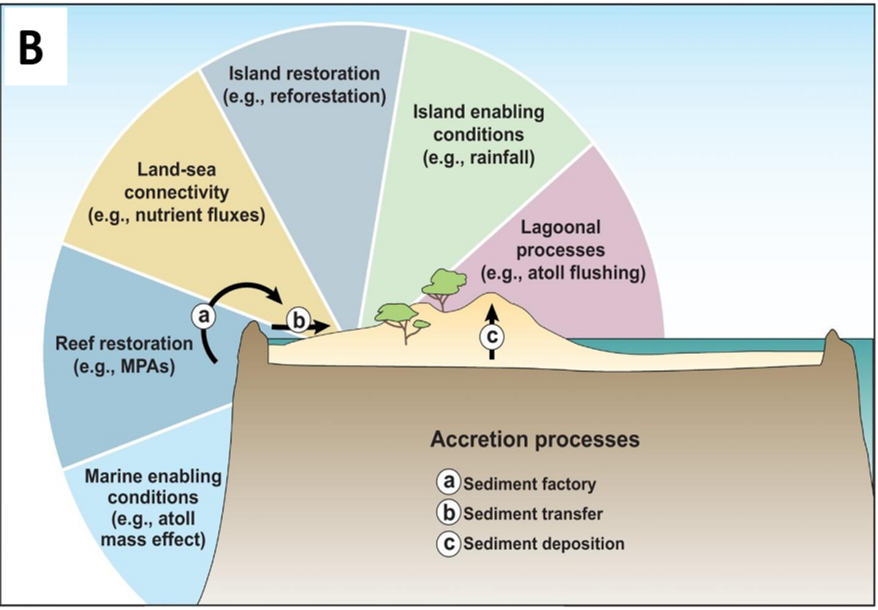
Critical to the future preservation of atoll islands is the maintenance of sediment supply Ref 144, both in situ through the production of carbonate sands and by sediment transport during anomalous storm events through reef crest-sediment apron pathways. Sediment consolidation and binding are regulated by vegetation and soil development, influenced by rainfall patterns, wind exposure Ref 138 Ref 139 and the aeolian supply of non-carbonate material and guano, which enhance soil productivity Ref 15 Ref 96 Ref 24 (see figure II).
Rising sea levels will also result in lateral intrusion of saltwater. On islands with a dense human population, this stress is superimposed on salinization from overabstraction of groundwater and aquifer contamination Ref 40 Ref 154 Ref 97 Ref 126. In some areas, including the western part of the Micronesian group of islands, the effects of sea level rise may be mitigated in part by increased freshwater recharge due to higher rainfall in the coming decades, but islands in other areas will experience increasing drought influenced by natural climatic cycles, such as the El Niño and La Niña phases of the El Niño/Southern Oscillation phenomenon Ref 29 Ref 7. Changes in tidal and wave energy and morphological changes due to coastal erosion during storm surges will also negatively affect the volume of fresh groundwater Ref 14 Ref 137.
In addition to a rise in mean sea level, the freshwater lens is vulnerable to salinization due to seawater inundation during extreme storms. Saltwater can infiltrate through the vadose zone, as well as through open boreholes, trenches and karst shafts, which provide direct access to the aquifer; saltwater can continue to infiltrate after the storm surge, sourced from seawater ponded in surface depressions Ref 63. According to numerical simulations, the degree of aquifer salinization due to overwash is largely determined by vadose zone thickness, but it is the recharge rate that determines recovery times Ref 63. These range from 1 year to 19 years after a single overwash event. The non-linear interactions between wave-driven flooding and sea level rise will lead, by the middle of the twenty-first century, to annual overwash of most atoll islands, causing widespread erosion and loss of potable water Ref 140. Combined with the effects of tidal fluctuations on the mixing of an increasingly thin freshwater lens with underlying seawater, inundation will detrimentally affect the ecological sustainability, agricultural productivity and human habitation of atoll islands.
Another critical issue is the appeal of atoll islands to tourists, which arises in part from the perception of lagoons as pristine and tranquil destinations. For instance, surveys conducted in Maldives revealed that 65% of tourists consider environmental quality a critical factor in their choice of lagoon destinations Ref 149. Environmental degradation and overcrowding can tarnish this image, diminishing atoll islands' attractiveness to future visitors. Maintaining a positive destination image requires balancing the development of tourism with conservation efforts to ensure that lagoons retain their natural beauty and ecological health. Nonetheless, lagoons remain highly attractive destinations, often creating a trade-off between preservation and visitation.
Tourism-related activities commonly exert pressure on lagoon ecosystems. The development of infrastructure, such as hotels, restaurants and marinas, can lead to habitat destruction and fragmentation. For instance, the construction of coastal resorts often involves dredging and land reclamation, which disrupt lagoon hydrodynamics and sedimentation patterns Ref 112. Data indicate that over 50% of mangroves in some lagoon regions have been lost to tourism infrastructure Ref 47. Furthermore, direct tourism activities, such as diving and snorkelling, as well as boat anchoring and trampling, cause additional erosion and also interfere with trophic interactions from the lagoon to the reef Ref 31 Ref 120. Pollution is another critical concern. An influx of tourists can result in elevated levels of solid waste and wastewater, often exceeding the natural assimilative capacity of lagoons. This can lead to eutrophication, characterized by algal blooms, oxygen depletion and fish kills Ref 92.
While tourism can boost local economies by creating jobs and generating revenue, it can also lead to sociocultural changes Ref 38. The commercialization of lagoon areas may marginalize local communities, who often depend on these ecosystems for traditional livelihoods, such as fishing and aquaculture. Furthermore, overcrowding during peak tourist seasons can strain local infrastructure and reduce quality of life for residents.
4. Key remaining knowledge and capacity gaps and new gaps
Response strategies and the role of ecosystem services
Although reducing greenhouse gas emissions is essential, the magnitude of physical and chemical changes already embedded in climate and ocean systems indicates that the proper implementation of adaptation strategies to enhance resilience is crucial to ensuring the survival of atoll islands. Anomalous storm events can have a positive effect on the sediment balance of an atoll island, where shoreward sediment transport leads to coastal accretion, and bleaching events can result in periods of enhanced sediment generation Ref 111. It is more often the case, however, that storm-driven coastal erosion and sediment export have a negative (and potentially catastrophic) effect Ref 140 Ref 42. Superimposed on these effects are the negative environmental and social impacts of tourism, which must be balanced against the economic benefits that it can bring. Adaptation strategies, including the establishment of effective MPAs and no-take zones and the promotion of ecotourism practices that minimize environmental footprints Ref 149, should be adopted.
Efforts are under way to control seawater intrusion along some continental margins through the construction of engineered barriers, such as cut-off walls and subsurface dams, which physically limit the hydraulic connectivity between the aquifer beneath the island and the saline aquifer offshore Ref 21 Ref 162 Ref 39. This is likely an impractical solution for most low-lying atoll islands, but comparable impoundment of freshwater within a Pleistocene karstified island aquifer has been shown to result from a coastal mantle of lower-permeability Holocene grainstone Ref 156. This highlights the risks of construction and dredging that threaten the integrity of such natural barriers, especially for islands growing by lateral accretion. The focus should be directed towards developing approaches to minimize the effects of washover on the freshwater lens.
The effectiveness of responses to climate-driven challenges on atoll water supply depends on abundance and demand. Traditional rainwater storage tanks can support low demand but quickly become depleted, especially during droughts Ref 151. Enhanced aquifer recharge and underground storage schemes are generally preferable to more high-cost options, such as seawater desalination, especially for smaller communities, but remain vulnerable to seawater inundation and contamination. In contrast, atoll island cities and tourist developments can more readily benefit from technological advances allowing potable water to be supplied at an increasingly low cost Ref 132.
While climatic factors cannot be controlled locally, the retention of sediment on islands can be supported through ecological interventions, such as reforestation, forest diversification and the removal of invasive species, as well as appropriate management of agricultural activity and human infrastructure engineering Ref 35 Ref 138 Ref 139. Mangrove swamps, seagrass beds and other coastal ecosystems have high organic carbon storage capacity in biomass and soil Ref 90. There is a need to preserve and to enhance this "blue carbon" storage, as well as to restore biodiversity and the other benefits of the services provided by coastal and shallow marine ecosystems Ref 145 Ref 53. Nature-based solutions are more sustainable and widely applicable to the diverse range of challenges facing non-urbanized atolls. It has been strongly suggested that the key to unlocking these solutions is linking ecosystem-based interventions that span marine and terrestrial zones with processes of sediment production and accretion of atoll islands Ref 138 Ref 139. The success of such a programme depends heavily on prior planning and design, effective monitoring, evaluation and reporting and post-implementation maintenance Ref 130. On urbanized atolls, such as Malé in Maldives and Majuro in the Marshall Islands, however, the timescales involved render nature-based solutions largely unviable. The raising of atolls and the construction of coastal defences are the types of intervention being implemented at present in such capitals as Funafuti and Majuro Ref 37. Moreover, adaptation by communities with limited means can be successful, using a combination of creativity, low-level construction techniques and some nature-based solutions Ref 71 Ref 101.
One of the largest sources of uncertainty in monitoring, modelling and managing such low-lying islands is the limited availability of accurate high-resolution bathymetric and topography data Ref 106 with which to examine changes in coastal morphology over a larger spatial scale and at higher temporal frequency Ref 150. Satellite remote sensing, airborne light detection and ranging, and drone photogrammetry should be employed to obtain high-resolution bathymetric and topographic data, assess vegetation cover and analyse recharge and evapotranspiration on atoll islands Ref 55 Ref 19 Ref 23.
More attention has recently been focused on the resilience of atoll freshwater lenses to natural and demographic changes Ref 78. Notwithstanding the resource-intensive nature of hydrogeological investigations of atoll islands, there are a few long-established monitoring networks, such as those on Bonriki in Kiribati and the Cocos (Keeling) Islands. More high-quality investigations that encompass the full range of island sizes and environmental conditions are needed for the purposes of improving groundwater management and mitigation strategies for individual atoll islands Ref 153 Ref 129. Even in well-studied atoll islands, scientists' understanding of the flow paths within the lens and mixing zone is surprisingly poor. In addition, a better understanding of the effects of tides in karstified island aquifers is needed, not least to reconcile discrepancies between mixing zones simulated using numerical models and those measured in the field Ref 91 Ref 43 Ref 22. Groundwater resources on atoll islands are particularly vulnerable due to a combination of high-permeability soils and a thin vadose zone, but relatively little attention has been paid to biological and chemical contamination aside from aquifer salinization.
Numerical models can be used to simulate a wide range of physical, chemical and biological processes, develop a quantitative understanding of the interactions between different processes and predict responses to changes in environmental conditions and management practices. Two challenges common to computer simulations of any system are difficulties in model parameterization and a paucity of field data for validation Ref 135 Ref 145. Moreover, the quantification of model uncertainty requires a suite of simulations to be run Ref 87 Ref 58. The potential use of the output as training data sets for machine learning algorithms Ref 119 Ref 107 could be a powerful tool with which to address these challenges. It is critical to match modelling methods to project objectives, budget and available data. Relatively simple algebraic models can be rapid to implement. For example, Bailey and others (2021, 2022) and Sengupta and others (2021) calculate the future groundwater resources of 91 atoll islands in the Federated States of Micronesia from mean annual recharge, island width, Holocene thickness and hydraulic conductivity. As a final point, it should be noted that, although quantitative models are essential to describe risks and reduce uncertainty in resource management and climate change response projects, conceptual models may suffice for project managers to make informed decisions Ref 84 Ref 145.
Restoration, conservation, mitigation and adaptation
The health of active coral reefs along atoll rims is one of the key properties that may mitigate the adverse effects of sea level rise and increased tempestuousness. Reef crests act as natural breakwaters and dissipate incoming wave energy through wave breaking and bottom friction Ref 17 Ref 64, providing the ecosystem service of coastal protection. Rates of sea level rise exceeding those of coral growth and reef crest accretion have a negative effect on the wave dissipation exerted by coral reefs Ref 8 Ref 143. Rising sea levels may also increase seawater circulation across the reef, moderating diurnal temperature extremes (and thus coral bleaching), as well as affecting lagoon flushing times, calcification rates and many other physically linked biological processes that affect the health and resilience of coral reef communities and those within the lagoon Ref 52 Ref 88.
Many conservation measures have been proposed for the protection of atolls, ranging from passive to active initiatives. Active coral restoration projects have been developed around the world, but have so far failed to restore species or ecosystem functioning at a relevant scale. This is largely because the restoration performed is often undone by bleaching episodes associated with heatwaves and global warming Ref 65. This has caused some Governments to refrain from funding any further active restoration practices. It should be noted, however, that creating MPAs and neutralizing local-scale impacts (such as pollution, unregulated fisheries and tourism) have occasionally proved effective in reducing global-scale impacts Ref 48. Nevertheless, MPAs must be adequately designed, anticipating local oceanographic and biological factors, such as larval and other types of connectivity, which is critical for sustaining genetic and species diversity on atolls, which are often remote.
As with all coastal communities, the adoption of hazard mitigation and adaptation strategies by atoll nations is critically contingent on the communication of impacts to policymakers and users. Communities are more receptive to such messaging when sea level and climate metrics are explained in terms of local-scale societal impacts, such as the risk to hospitals, airports and similar facilities posed by both more frequent and rarer extreme sea level events Ref 118. The survival of atoll nations, with the exception of urbanized atolls, depends on the development of cross-disciplinary collaboration to protect and restore exchanges of sediment, water and nutrients between atoll islands, lagoons and coral reefs. This does not apply to urbanized and densely populated atolls because several engineering solutions are available Ref 160.
In this context, given the ecological uniqueness and vulnerability of atoll ecosystems, conservation measures must be tailored to their specific needs. Such measures include: (a) reducing CO2 emissions to halt global warming and ocean acidification; (b) establishing and enforcing MPAs to limit local stressors; (c) implementing sustainable use programmes; (d) engaging local communities in conservation through education, awareness and sustainable livelihoods; and (e) supporting research and long-term monitoring programmes to address knowledge gaps and evaluate conservation efforts.
Figure I Vattaru Atoll, Maldives (A) and improved antecedent karst theory for modern atoll origin (B)
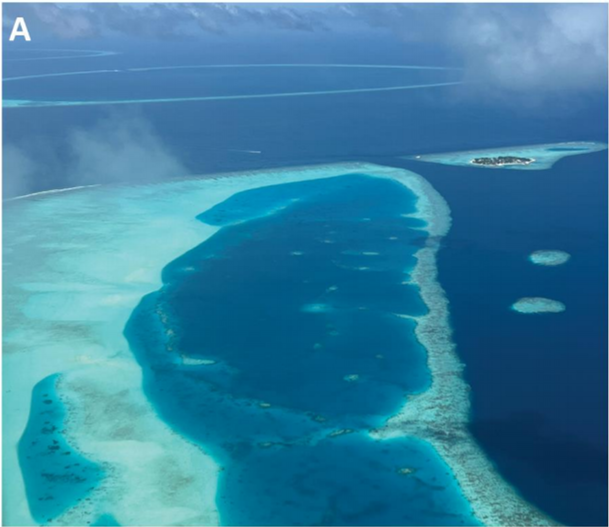
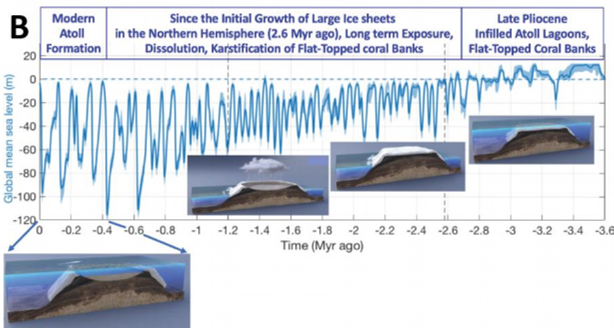
Figure II Identification of biogeosphere links critical for atoll island protection and restoration
References
- Agassiz, A.E.R. (1903). On the formation of barrier reefs and of the different types of atolls. Proceedings of the Royal Society of London, 71(467-476), 412-414.
- Allemand, D., and Osborn, D. (2019). Ocean acidification impacts on coral reefs: From sciences to solutions. Regional Studies in Marine Science, 28. DOI:10.1016/j.rsma.2019.100558.
- Andréfouët, S., and Paul, M. (2023). Atolls of the world: A reappraisal from an optical remote sensing and global mapping perspective. Marine Pollution Bulletin, 194, 115400. DOI:10.1016/j.marpolbul.2023.115400.
- Anthony, K.R., Connolly, S.R., and Hoegh-Guldberg, O. (2007). Bleaching, energetics, and coral mortality risk: Effects of temperature, light, and sediment regime. Limnology and Oceanography, 52(2), 716-726. DOI:10.4319/lo.2007.52.2.0716.
- Aubert, O., and Droxler, A. (1996). Seismic stratigraphy and depositional signatures of the Maldive carbonate system (Indian Ocean). Marine and Petroleum Geology, 13(5), 503-536. DOI:10.1016/j.scitotenv.2024.169881.
- Bailey, R.T., Bieger, K., Flores, L., and Tomer, M. (2022). Evaluating the contribution of subsurface ENdrainage to watershed water yield using SWAT+ with groundwater modeling. Science of The Total Environment, 802, 149962. DOI:10.1016/j.scitotenv.2021.149962.
- Bailey, R.T., Tasdighi, A., Park, S., Tavakoli-Kivi, S., Abitew, T., Jeong, J., and Worqlul, A.W. (2021). APEX-MODFLOW: A new integrated model to simulate hydrological processes in watershed systems. Environmental Modelling & Software, 143, 105093. DOI:10.1016/j.envsoft.2021.105093.
- Baldock, T.E., Golshani, A., Callaghan, D.P., Saunders, M.I., and Mumby, P.J. (2014). Impact of sea-level rise and coral mortality on the wave dynamics and wave forces on barrier reefs. Marine Pollution Bulletin, 83(1), 155-164. DOI:10.1016/j.marpolbul.2014.03.058.
- Belopolsky, A.V., and Droxler, A. W. (2004). Seismic expressions of prograding carbonate bank margins: Middle Miocene, Maldives, Indian Ocean. DOI:10.1306/M81928C12.
- Belopolsky, A., and Droxler, A. (2003). Imaging Tertiary carbonate system-the Maldives, Indian Ocean: insights into carbonate sequence interpretation. The Leading Edge, 22(7), 646-652. DOI:10.1190/1.1599690.
- Berends, C.J., de Boer, B., van de Wal, R.S.W. (2021) Reconstructing the evolution of ice sheets, sea level, and atmospheric CO2 during the past 3.6 million years, Climate of the Past, 17 (1), 361-377, DOI: 10.5194/cp-17-361-2021.
- Blanchon, P. (2011). Geomorphic zonation. In Encyclopedia of modern coral reefs (pp. 469-486). Springer, Dordrecht.
- Braz, G.B., Lacerda, C.H., Evangelista, H., Güth, A.Z., Rumbelsperger, A.M., Capel, K.C., and Mies, M. (2022). Unprecedented erosion of Mussismilia harttii, a major reef-building species in the Southwestern Atlantic, after the 2019 bleaching event. Coral Reefs, 41(5), 1537-1548. DOI:10.1007/s00338-022-02283-9.
- Briggs, M.A., Cantelon, J.A., Kurylyk, B.L., Kulongoski, J.T., Mills, A., and Lane, J.W. (2021). Small atoll fresh groundwater lenses respond to a combination of natural climatic cycles and human modified geology. Science of the Total Environment, 756, 143838. DOI:10.1016/j.scitotenv.2020.143838.
- Browning, T., Achterberg, E.P., Bogner, B., von Keitz, T.E., Hu, Z., Melzer, H., and Stelzner, M. (2023). CLOCKS: Northern Cascadia: Extent of locked zone, prism deformation, slip-to-toe, and the edge of subduction, and CASCADIA CO2: Seismic multi-parameter study at a possible site for CO2 storage in basalt in the Cascadia Basin utilizing shear wave events (secondary user). ReSEAt, Cruise No. SO294, 13.09.2022- 27.10.2022, Vancouver (Canada)-Port Hueneme (USA).
- Camoin, G.F., Ebren, P., Eisenhauer, A., Bard, E., and Faure, G. (2001). A 300 000-yr coral reef record of sea level changes, Mururoa atoll (Tuamotu archipelago, French Polynesia). Palaeogeography, Palaeoclimatology, Palaeoecology, 175(1-4), 325-341. DOI:10.1016/S0031-0182(01)00378-9.
- Carlot, J., Vousdoukas, M., Rovere, A., Karambas, T., Lenihan, H.S., Kayal, M., and Parravicini, V. (2023). Coral reef structural complexity loss exposes coastlines to waves. Scientific Reports, 13(1), 1683. DOI:10.1038/s41598-023-28945-x.
- Carruthers, L., Ersek, V., Maher, D., Sanders, C., Tait, D., Soares, J., and Sippo, J.Z. (2024). Sea-level rise and extreme Indian Ocean Dipole explain mangrove dieback in the Maldives. Scientific Reports, 14(1), 27012. DOI:10.1038/s41598-024-73776-z.
- Casella, E., Collin, A., Harris, D., and others (2017). Mapping coral reefs using consumer-grade drones and structure from motion photogrammetry techniques. Coral Reefs, 36, 269-275.
- Cazenave,A., and Moreira L. (2022). Contemporary sea-level changes from global to local scales: a review. Proc. R. Soc. A, 478: 20220049. https://doi.org/10.1098/rspa.2022.0049.
- Chang, Q., Zheng, T., Gao, C., Zheng, X., and Walther, M. (2022). How to cope with downstream groundwater deterioration induced by cutoff walls in coastal aquifers. Journal of Hydrology, 610, 127804. DOI:10.1016/j.jhydrol.2022.127804.
- Collignon, B. (2019). Earth tide effect in karstic and non-karstic aquifers in the Guinea Gulf. In Eurokarst 2018, Besançon: Advances in the Hydrogeology of Karst and Carbonate Reservoirs (pp. 233-242). Springer International Publishing. DOI:10.13140/RG.2.2.30206.28483.
- Collin, A., Duvat, V., Pillet, V., Salvat, B., and James, D. (2018). Understanding interactions between shoreline changes and reef outer slope morphometry on Takapoto Atoll (French Polynesia). Journal of Coastal Research, (85), 496-500. DOI:10.2112/SI85-100.1.
- D'Amico, A., De Boni, A., Palmisano, G.O., Acciani, C., and Roma, R. (2023). Environmental analysis of soilless tomato production in a high-tech greenhouse. Cleaner Environmental Systems, 11, 100137. DOI:10.1016/j.cesys.2023.100137.
- Darwin, C. (1842). The structure and distribution of coral reefs. Smith, Elder and Co.
- Davis, W.M. (1928). The coral reef problem. American Geographical Society.
- Davy, S.K., Allemand, D., and Weis, V.M. (2012). Cell biology of cnidarian-dinoflagellate symbiosis. Microbiology and Molecular Biology Reviews, 76(2), 229-261. DOI:10.1128/MMBR.05014-11.
- Der Velde, I.R., van der Werf, G.R., Houweling, S., Maasakkers, J.D., Borsdorff, T., Landgraf, J., and Aben, I. (2021). Vast CO2 release from Australian fires in 2019-2020 constrained by satellite. Nature, 597(7876), 366-369. DOI:10.1038/s41586-021-03712-y.
- Der Velde, M., Javaux, M., Vanclooster, M., and Clothier, B.E. (2006). El Niño-Southern Oscillation determines the salinity of the freshwater lens under a coral atoll in the Pacific Ocean. Geophysical Research Letters, 33(21). DOI:10.1029/2006GL027748.
- Dickinson, W.R. (2009). Pacific atoll living: How long already and until when. GSA Today, 19(3), 4-10. DOI:10.1130/GSATG35A.1.
- Diedrich, A. (2007). The impacts of tourism on coral reef conservation awareness and support in coastal communities in Belize. Coral Reefs, 26(4), 985-996. DOI:10.1007/s00338-007-0224-z.
- Droxler, A.W., and Jorry, S.J. (2021). The origin of modern atolls: Challenging Darwin's deeply ingrained theory. Annual Review of Marine Science, 13(1), 537-573. DOI:10.1146/annurev-marine-122414-034137.
- Duvat, V.K. (2020). Human-driven atoll island expansion in the Maldives. Anthropocene, 32, 100265. DOI:10.1016/j.ancene.2020.100265.
- Duvat, V.K., Magnan, A.K., Perry, C.T., Spencer, T., Bell, J.D., Wabnitz, C.C., and Le Cozannet, G. (2021). Risks to future atoll habitability from climate-driven environmental changes. Wiley Interdisciplinary Reviews: Climate Change, 12(3), e700. DOI:10.1002/wcc.700.
- Duvat, V.K., Magnan, A.K., Wise, R.M., Hay, J.E., Fazey, I., Hinkel, J., and Ballu, V. (2017). Trajectories of exposure and vulnerability of small islands to climate change. Wiley Interdisciplinary Reviews: Climate Change, 8(6). DOI:10.1002/wcc.478.
- Eddy, T.D., Lam, V.W., Reygondeau, G., Cisneros-Montemayor, A.M., Greer, K., Palomares, M.L.D., and Cheung, W.W. (2021). Global decline in capacity of coral reefs to provide ecosystem services. One Earth, 4(9), 1278-1285. DOI:10.1016/j.oneear.2021.08.016.
- Esteban, M., Laurice Jamero, M., Nurse, L., Yamamoto, L., Takagi, H., Nguyen, T.D., and others (2019). Adaptation to sea level rise on low coral islands: Lessons from recent events. Ocean & Coastal Management. DOI:10.1016/j.ocecoaman.2018.10.031.
- Everett, H., Simpson, D., and Wayne, S. (2018). Tourism as a driver of growth in the Pacific: A pathway to growth and prosperity for Pacific Island countries (Issues in Pacific Development No. 2). Asian Development Bank - Pacific Private Sector Development Initiative.
- Fang, Y., Qian, J., Zheng, T., Wang, H., Zheng, X., and Walther, M. (2023). Submarine groundwater discharge in response to the construction of subsurface physical barriers in coastal aquifers. Journal of Hydrology, 617. DOI:10.1016/j.jhydrol.2022.129010.
- Ferguson, G., and Gleeson, T. (2012). Vulnerability of coastal aquifers to groundwater use and climate change. Nature Climate Change, 2(5), 342-345. DOI:10.1038/nclimate1413.
- Gaspar, T.L., Quimbayo, J.P., Ozekoski, R., Nunes, L.T., Aued, A.W., Mendes, T.C., and Segal, B. (2021). Severe coral bleaching of Siderastrea stellata at the only atoll in the South Atlantic driven by sequential marine heatwaves. Biota Neotropica, 21(2). DOI:10.1590/1676-0611-bn-2020-1131.
- Georgiou, I.Y., FitzGerald, D.M., and Hanegan, K.C. (2024). Storm and tidal interactions control sediment exchange in mixed-energy coastal systems. PNAS Nexus, 3(2). DOI:10.1093/pnasnexus/pgae042.
- Ghassemi, F., Alam, K., and Howard, K.W.F. (2000). Fresh-water lenses and practical limitations for their three-dimensional simulation. Hydrogeology Journal, 8(5), 521-537. DOI:10.1007/s100400000087.
- Gischler, E., Hudson, J.H., and Pisera, A. (2008). Late Quaternary reef growth and sea level in the Maldives (Indian Ocean). Mar. Geol., 250: 104-13
- Glynn, P.W. (1996). Coral reef bleaching: Facts, hypotheses and implications. Global Change Biology, 2(6), 495-509. DOI:10.1111/j.1365-2486.1996.tb00063.x.
- Goldberg, W.M. (2016). Atolls of the world: Revisiting the original checklist. Atoll Research Bulletin, 610, 1-47. DOI:10.5479/si.0077-5630.610.
- Gómez-Vega, M., and Herrero-Prieto, L.C. (2018). Achieving tourist destination competitiveness: Evidence from Latin-American and Caribbean countries. International Journal of Tourism Research, 20(6), 782-795. DOI:10.1002/jtr.2231.
- Graham, N.A.J., McClanahan, T.R., MacNeil, M.A., Wilson, S.K., Polunin, N.V.C., Jennings, S., Chabanet, P., Clark, S., Spalding, M.D., Letourneur, Y., Bigot, L., Galzin, R., Öhman, M.C., Garpe, K.C., Edwards, A.J., and Sheppard, C.R.C. (2008). Climate warming, marine protected areas and the ocean-scale integrity of coral reef ecosystems. PLoS ONE, 3(8). DOI:10.1371/journal.pone.0003039.
- Green, J.A.M., Molloy, J.L., Davies, H.S., and Duarte, J.C. (2018). Is there a tectonically driven supertidal cycle? Geophysical Research Letters, 45(8), 3568-3576. DOI:10.1002/2017gl076695.
- Grimaldi, C.M., Lowe, R.J., Benthuysen, J.A., Green, R.H., Reyns, J., Kernkamp, H., and Gilmour, J. (2022). Wave and tidally driven flow dynamics within a coral reef atoll off northwestern Australia. Journal of Geophysical Research: Oceans, 127(3), e2021JC017583. DOI:10.1029/2021JC017583.
- Grossmann, M., Nielsen, S.N., Rivadeneira, M.M., and Valdivia, N. (2023). The latitudinal gradient of functional diversity of Miocene marine mollusks from Chile. Ecography, 2023(2). DOI: 10.1111/ecog.06344.
- Gruber, N., Clement, D., Carter, B.R., Feely, R.A., van Heuven, S., Hoppema, M., Ishii, M., Key, R.M., Kozyr, A., Lauvset, S.K., Lo Monaco, C., Mathis, J.T., Murata, A., Olsen, A., Pérez, F.F., Sabine, C.L., Tanhua, T., and Wanninkhof, R. (2019). The oceanic sink for anthropogenic CO2 from 1994 to 2007. Science, 363(6432), 1193-1199. DOI:10.1126/science.aau5153.
- Hagger, V., Stewart-Sinclair, P., Rossini, R.A., Adame, M.F., Glamore, W., Lavery, P., and Lovelock, C.E. (2024). Lessons learned on the feasibility of coastal wetland restoration for blue carbon and co-benefits in Australia. Journal of Environmental Management, 369, 122287. DOI:10.1016/j.jenvman.2024.122287.
- Hamylton, S.M. (2017). Mapping coral reef environments: A review of historical methods, recent advances and future opportunities. Progress in Physical Geography, 41(6), 803-833. DOI:10.1177/0309133317744998.
- Hamylton, S.M., Morris, R.H., Carvalho, R.C., Roder, N., Barlow, P., Mills, K., and Wang, L. (2020). Evaluating techniques for mapping island vegetation from unmanned aerial vehicle (UAV) images: Pixel classification, visual interpretation and machine learning approaches. International Journal of Applied Earth Observation and Geoinformation, 89. DOI:10.1016/j.jag.2020.102085.
- Hatcher, B.G. (1990). Coral reef primary productivity: A hierarchy of pattern and process. Trends in Ecology & Evolution, 5(5), 149-155. DOI:10.1016/0169-5347(90)90221-X.
- Hawkins, J.P., and Roberts, C.M. (1993). Effects of recreational scuba diving on coral reefs: Trampling on reef-flat communities. Journal of Applied Ecology, 25-30. DOI:10.2307/2404267.
- Herrera, P.A., Marazuela, M.A., and Hofmann, T. (2022). Parameter estimation and uncertainty analysis in hydrological modeling. Wiley Interdisciplinary Reviews: Water, 9(1), e1569. DOI:10.1002/wat2.1569.
- Hoegh-Guldberg, O., Mumby, P.J., Hooten, A.J., Steneck, R.S., Greenfield, P., Gomez, E., and Hatziolos, M.E. (2007). Coral reefs under rapid climate change and ocean acidification. Science, 318(5857), 1737-1742. DOI:10.1126/science.1152509.
- Hoffmeister, J.E., and Ladd, H.S. (1944). The antecedent-platform theory. The Journal of Geology, 52(6), 388-402.
- Holbrook, S.J., Schmitt, R.J., Adam, T.C., and Brooks, A.J. (2016). Coral reef resilience, tipping points and the strength of herbivory. Scientific Reports, 6, 35817.DOI:10.1038/srep35817.
- Holdaway, A., Ford, M., and Owen, S. (2021). Global-scale changes in the area of atoll islands during the 21st century. Anthropocene, 33. DOI:10.1016/j.ancene.2021.100282.
- Holding, S., and Allen, D.M. (2015). Wave overwash impact on small islands: Generalised observations of freshwater lens response and recovery for multiple hydrogeological settings. Journal of Hydrology, 529, 1324-1335. DOI:10.1016/j.jhydrol.2015.08.052.
- Huang, X., Tang, J., and Shen, Y. (2024). Long time series of ocean wave prediction based on PatchTST model. Ocean Engineering, 301. DOI: 10.1016/j.oceaneng.2024.117572.
- Hughes, A.C., and Grumbine, R.E. (2023). The Kunming-Montreal Global Biodiversity Framework: What it does and does not do, and how to improve it. Frontiers in Environmental Science, 11. DOI:10.3389/fenvs.2023.1281536.
- Hughes, A.T., Hamilton, R.J., Choat, J.H., and Rhodes, K.L. (2020). Declining grouper spawning aggregations in Western Province, Solomon Islands, signal the need for a modified management approach. PLoS One, 15(3). DOI:10.1371/journal.pone.0230485.
- Hughes, T.P., Rodrigues, M.J., Bellwood, D.R., Ceccarelli, D., Hoegh-Guldberg, O., McCook, L., Moltschaniwskyj, N., Pratchett, M.S., Steneck, R.S., and Willis, B. (2007). Phase shifts, herbivory, and the resilience of coral reefs to climate change. Current Biology, 17(4), 360-365. DOI:10.1016/j.cub.2006.12.049.
- Hynes, M.G., Masdar, H., Parenden, D., de Voogd, N.J., Stuut, J.B. W., Jompa, J., and Renema, W. (2025). Impact of Holocene relative sea-level changes on patch reef-island development in the Spermonde Archipelago, South Sulawesi, Indonesia. The Holocene, 35(5), 556-570. DOI:10.1177/09596836251313628.
- IPCC (2019). Climate Change and Land: an IPCC special report on climate change, desertification, land degradation, sustainable land management, food security, and greenhouse gas fluxes in terrestrial ecosystems, P.R. Shukla, J. Skea, E. Calvo Buendia, V. Masson-Delmotte, H.-O. Pörtner, D.C. Roberts, P. Zhai, R. Slade, S. Connors, R. van Diemen, M. Ferrat, E. Haughey, S. Luz, S. Neogi, M. Pathak, J. Petzold, J. Portugal Pereira, P. Vyas, E. Huntley, K. Kissick, M. Belkacemi, J. Malley, eds.
- Jamero, M.L., Onuki, M., Esteban, M., and Tan, N. (2018). Community-based adaptation in low-lying islands in the Philippines: Challenges and lessons learned. Regional Environmental Change, 18(8), 2249- 2260. DOI:10.1007/s10113-018-1353-0.
- Jamero, M., Onuki, M., Esteban, M., Billones-Sensano, X.K., Tan, N., Nellas, A., and Valenzuela, V.P. (2017). Small-island communities in the Philippines prefer local measures to relocation in response to sea- level rise. Nature Climate Change, 7(8), 581-586. DOI:10.1038/nclimate3344.
- Jorry, S., Jouet, G., Prat, S., Courgeon, S., Le Roy, P., Camoin, G., and Caline, B. (2014, December). A modern analog for carbonate source-to-sink sedimentary systems: the Glorieuses archipelago and adjacent basin (SW Indian Ocean). In AGU Fall Meeting Abstracts (vol. 2014, pp. EP21C-3553).
- Ke, Z., Tan, Y., Huang, L., Liu, H., Liu, J., Jiang, X., and Wang, J. (2018). Spatial distribution patterns of phytoplankton biomass and primary productivity in six coral atolls in the central South China Sea. Coral Reefs, 37(3), 919-927. DOI:10.1007/s00338-018-1717-7.
- Kench, P.S., Sengupta, M., Ford, M.R., and Owen, S.D. (2024). Island change framework defines dominant modes of atoll island dynamics in response to environmental change. Communications Earth & Environment, 5(1), 585. DOI:10.1038/s43247-024-01757-1.
- Kench, P.S., Liang, C., Ford, M.R., Owen, S.D., Aslam, M., Ryan, E.J., and McLean, R.F. (2023). Reef islands have continually adjusted to environmental change over the past two millennia. Nature communications, 14(1), 508. DOI:10.1038/s41467-023-36171-2.
- Kench, P.S., Beetham, E.P., Turner, T., Morgan, K.M., Owen, S.D., and McLean, R.F. (2022). Sustained coral reef growth in the critical wave dissipation zone of a Maldivian atoll. Communications Earth & Environment, 3(1), 9. DOI:10.1038/s43247-021-00338-w.
- Kench, P.S., McLean, R.F., and Nichol, S.L. (2005). New model of reef-island evolution: Maldives, Indian Ocean. Geology, 33(2), 145-148. DOI:10.1130/G21066.1.
- Ketabchi, H., Mahmoodzadeh, D., Ataie-Ashtiani, B., and Simmons, C.T. (2016). Sea-level rise impacts on seawater intrusion in coastal aquifers: Review and integration. Journal of Hydrology, 535, 235-255. DOI:10.1016/j.jhydrol.2016.01.063.
- Khanna, P., Droxler, A.W., Nittrouer, J.A., Tunnell Jr., J.W., and Shirley, T.C. (2017). Coralgal reef morphology records punctuated sea-level rise during the last deglaciation. Nature communications, 8(1), 1046. DOI:10.1038/s41467-017-00966-x.
- Klostermann, L., and Gischler, E. (2015). Holocene sedimentary evolution of a mid-ocean atoll lagoon, Maldives, Indian Ocean. Int. J. Earth Sci., 104: 289-307.
- Knowlton, N., and Jackson, J.B.C. (2008). Shifting baselines, local impacts, and global change on coral reefs. PLoS Biology, 6(2), e54. DOI:10.1371/journal.pbio.0060054.
- Kuenen, P.H. (1933). Geology of coral reefs, Snellius Exped., 5, Part 2, 125 pp.
- Lange, I.D., Perry, C.T., and Stuhr, M. (2023). Recovery trends of reef carbonate budgets at remote coral atolls 6 years post-bleaching. Limnology and Oceanography, 68(S8), S8-S22. DOI:10.1002/lno.12066.
- Larsen, M.A., Christensen, J.H., Drews, M., Butts, M.B., and Refsgaard, J.C. (2016). Local control on precipitation in a fully coupled climate-hydrology model. Scientific Reports, 6(1), 22927. DOI:10.1038/srep22927.
- Lesser, M.P. (2006). Oxidative stress in marine environments: Biochemistry and physiological ecology. Annual Review of Physiology, 68, 253-278. DOI:10.1146/annurev.physiol.68.040104.11000.
- Lino, Y. Pranjal, K., Priyansh, S., Jagath, C., Udayashankar, H.N., Babu, D.S.S., Balakrishna, K. (2023). Submarine Groundwater Discharge (SGD): Impacts, challenges, limitations, and management recommendations, Groundwater for Sustainable Development, 21, 100903. DOI:10.1016/j.gsd.2023.100903.
- Liu, J., Webster, J. M., Salles, T., Wang, S., Ma, Y., Xu, W., Li, G., and Yan, W.(2022). The formation of atolls: New insights from numerical simulations. Journal of Geophysical Research: Earth Surface, 127(8), DOI:10.1029/2022JF006812.
- Lowe, R.J., Pivan, X., Falter, J., Symonds, G., and Gruber, R. (2016). Rising sea levels will reduce extreme temperature variations in tide-dominated reef habitats. Science Advances, 2(8), DOI:10.1126/sciadv.1600825.
- MacNeil, F.S. (1954). The shape of atolls; an inheritance from subaerial erosion forms. American Journal of Science, 252(7), 402-427. DOI:10.1016/0025-3227(65)90025-3.
- Macreadie, P.I., Costa, M.D.P., Atwood, T.B., Friess, D.A., Kelleway, J.J., Kennedy, H., Lovelock, C.E., Serrano, O., and Duarte, C.M. (2021). Blue carbon as a natural climate solution. Nature Reviews Earth & Environment, 2(12), 826-839. DOI:10.1038/s43017-021-00224-1.
- Martin, J.B., Gulley, J., and Spellman, P. (2012). Tidal pumping of water between Bahamian blue holes, aquifers, and the ocean. Journal of Hydrology, 416-417, 28-38. DOI:10.1016/j.jhydrol.2011.11.033.
- Martínez, M., Pérez, A., and Torres, R. (2019). Eutrophication in Mediterranean lagoons: Drivers and management strategies. Environmental Management, 63(2), 234-245. DOI:10.1007/s00267-018-1120-3.
- McClanahan, T.R., and Muthiga, N.A. (2020). Change in fish and benthic communities in Belizean patch reefs in and outside of a marine reserve, across a parrotfish capture ban. Marine Ecology Progress Series, 645, 25-40. DOI:10.3354/meps13357.
- McLean, R., and Kench, P. (2015). Destruction or persistence of coral atoll islands in the face of 20th and 21st century sea-level rise? Wiley Interdisciplinary Reviews: Climate Change, 6(5), 445-463. DOI:10.1002/wcc.350.
- McMichael, C. (2023). Climatic and environmental change, migration, and health. Annual Review of Public Health, 44(1), 171-191. DOI:10.1146/annurev-publhealth-071421-045148.
- McTainsh, G., and Strong, C. (2007). The role of aeolian dust in ecosystems. Geomorphology, 89(1-2), 39-54. DOI:10.1016/j.geomorph.2006.07.028.
- Michael, H.A., Post, V.E., Wilson, A.M., and Werner, A.D. (2017). Science, society, and the coastal groundwater squeeze. Water Resources Research, 53(4), 2610-2617. DOI:10.1002/2017WR020851.
- Mies, M., Francini-Filho, R.B., Zilberberg, C., Garrido, A.G., Longo, G.O., Laurentino, E., Güth, A. Z., Sumida, P.Y.G., and Banha, T.N.S. (2020). South Atlantic coral reefs are major global warming refugia and less susceptible to bleaching. Frontiers in Marine Science, 7, 514. DOI:10.3389/fmars.2020.00514.
- Miller, K.G., Schmelz, W.J., Browning, J.V., Kopp, R.E., Mountain, G.S., and Wright, J.D. (2020). Ancient sea level. Oceanography, 33(2), 32-41. DOI:10.5670/oceanog.2020.224.
- Montaggioni, L.F., Borgomano, J., Fournier, F., and Granjeon, D. (2015). Quaternary atoll development: New insights from the two-dimensional stratigraphic forward modelling of Mururoa Island (Central Pacific Ocean). Sedimentology, 62(2), 466-500. DOI: 10.1111/sed.12175.
- Narayan, S., Esteban, M., Albert, S., Jamero, M.L., Crichton, R., Heerlien, J., Goby, G., and Jupiter, S. (2020). Local adaptation responses to coastal hazards in small island coastal communities: Insights from four Pacific island nations. Environmental Science & Policy, 104, 199-207. DOI:10.1016/j.envsci.2019.11.006.
- Newton, K., Côté, I.M., Pilling, G.M., Jennings, S., and Dulvy, N.K. (2007). Current and future sustainability of island coral reef fisheries. Current Biology, 17(7), 655-658. DOI:10.1016/j.cub.2007.02.054.
- Nunn, P.D. (2016). Sea levels, shorelines and settlements on Pacific reef islands. Archaeology in Oceania, 51(2), 91-98. DOI:10.1002/arco.5082.
- Oberle, F.K.J., Cheriton, O.M., Swarzenski, P.W., Brown, E.K., and Storlazzi, C.D. (2023). Physicochemical coastal groundwater dynamics between Kauhakō Crater Lake and Kalaupapa settlement, Moloka'i, Hawai'i. Marine Pollution Bulletin, 187, 114509. DOI:10.1016/j.marpolbul.2022.114509.
- Ohde, S., Greaves, M., Masuzawa, T., Buckley, H.A., Van Woesik, R., Wilson, P.A., and Elderfield, H. (2002). The chronology of Funafuti Atoll: revisiting an old friend. Proceedings of the Royal Society of London. Series A: Mathematical, Physical and Engineering Sciences, 458. DOI: 10.1098/rspa.2002.0978.
- Pacheco, A., Horta, J., Loureiro, C., and Ferreira, Ó. (2015). Retrieval of nearshore bathymetry from Landsat 8 images: A tool for coastal monitoring in shallow waters. Remote Sensing of Environment, 159, 102-116. DOI:10.1016/J.RSE.2014.12.004.
- Papacharalampous, G., and Tyralis, H. (2022). A review of machine learning concepts and methods for addressing challenges in probabilistic hydrological post-processing and forecasting. Frontiers in Water, 4, DOI:10.3389/frwa.2022.961954.
- Pari, N., Peyrot-Clausade, M., and Hutchings, P.A. (2002). Bioerosion of experimental substrates on high islands and atoll lagoons (French Polynesia) during 5 years of exposure. Journal of Experimental Marine Biology and Ecology, 276(1-2), 109-127. DOI:10.1016/S0022-0981(02)00243-5.
- Pérez-Ceballos, R., Zaldívar-Jiménez, A., Canales-Delgadillo, J., López-Adame, H., López-Portillo, J., and Merino-Ibarra, M. (2020). Determining hydrological flow paths to enhance restoration in impaired mangrove wetlands. PloS one, 15(1), DOI: 10.1371/journal.pone.0227665.
- Perry, C.T., Lange, I.D., and Stuhr, M. (2023). Quantifying reef-derived sediment generation: Introducing the SedBudget methodology to support tropical coastline and island vulnerability studies. Cambridge Prisms: Coastal Futures, 1, e26. DOI:10.1017/cft.2023.14.
- Perry, C.T., Morgan, K.M., Lange, I.D., and Yarlett, R.T. (2020). Bleaching-driven reef community shifts drive pulses of increased reef sediment generation. Royal Society Open Science, 7(9), 192153. DOI:10.1098/rsos.192153.
- Pinto, C.A., Silveira, T.M., and Teixeira, S.B. (2020). Beach nourishment practice in mainland Portugal (1950-2017): Overview and retrospective. Ocean & Coastal Management, 192, 105211. DOI:10.1016/j.ocecoaman.2020.105211.
- Purdy, E.G., (1974). Reef Configurations: Cause and Effect, Reefs in Time and Space: Selected Examples from the Recent and Ancient, Léo F. Laporte.
- Purdy, E.G., and Winterer, E.L. (2001). Origin of atoll lagoons. Geological Society of America Bulletin, 113(7), 837-854. DOI:10.1130/0016-7606(2001)113<0837:OOAL>2.0.CO;2.
- Purdy, E.G., and Winterer, E.L. (2006). Contradicting barrier reef relationships for Darwin's evolution of reef types. International Journal of Earth Sciences, 95(1), 143-167. DOI:10.1007/s00531-005-0511-2.
- Quataert, E., Storlazzi, C., Van Rooijen, A., Cheriton, O., and Van Dongeren, A. (2015). The influence of coral reefs and climate change on wave-driven flooding of tropical coastlines. Geophysical Research Letters, 42(15), 6407-6415. DOI:10.1002/2015GL064861.
- Quinn, PF.B.J., Beven, K., Chevallier, P., and Planchon, O. (1991). The prediction of hillslope flow paths for distributed hydrological modelling using digital terrain models. Hydrological processes, 5(1), 59-79.
- Rasmussen, D.J., Kulp, S., Kopp, R.E. and others (2022). Popular extreme sea level metrics can better communicate impacts. Climatic Change 170, 30. DOI:10.1007/s10584-021-03288-6.
- Reichstein, M., Camps-Valls, G., Stevens, B., Jung, M., Denzler, J., Carvalhais, N., and Prabhat, F. (2019). Deep learning and process understanding for data-driven Earth system science. Nature, 566(7743), 195-204. DOI:10.1038/s41586-019-0912-1.
- Renfro, B., and Chadwick, N.E. (2017). Benthic community structure on coral reefs exposed to intensive recreational snorkeling. PLoS One, 12(9). DOI:10.1371/journal.pone.0184175.
- Richardson, L.E., Graham, N.A.J., Pratchett, M.S. and others (2017). Structural complexity mediates functional structure of reef fish assemblages among coral habitats. Environ Biol Fish, 100, 193-207. DOI:10.1007/s10641-016-0571-0.
- Ríos, J., Almeida, S., and Cruz, L. (2021). Socio-economic impacts of tourism on lagoon communities. Sustainable Development, 29(1), 12-23. DOI:10.1590/1809-4422ASOC137111V1942016.
- Roff, G., and Mumby, P.J. (2012). Global disparity in the resilience of coral reefs. Trends in Ecology & Evolution, 27(7), 404-413. DOI:10.1016/j.tree.2012.04.007.
- Rougerie, F., and Wauthy, B. (1993). The endo-upwelling concept: from geothermal convection to reef construction. Coral reefs, 12(1), 19-30. DOI:10.1007/BF00303781.
- Rovere, A., Khanna, P., Bianchi, C.N., Droxler, A.W., Morri, C., and Naar, D.F. (2018). Submerged reef terraces in the Maldivian archipelago (Indian Ocean). Geomorphology, 317, 218-232. DOI:10.1016/j.geomorph.2018.05.026.
- Sawyer, A.H., Michael, H.A., and Schroth, A.W. (2016). From soil to sea: The role of groundwater in coastal critical zone processes. Wiley Interdisciplinary Reviews: Water, 3(5), 706-726. DOI:10.1002/wat2.1157.
- Schlager, W., and Purkis, S.J. (2013). Bucket structure in carbonate accumulations of the Maldive, Chagos and Laccadive archipelagos. International Journal of Earth Sciences, 102(8), 2225-2238. DOI:10.1007/s00531-013-0913-5.
- Sengupta, M., Ford, M.R., Kench, P.S. (2021). Shoreline changes in coral reef islands of the Federated States of Micronesia since the mid-20th century. Geomorphology, 377, 107584, DOI: 10.1016/j.geomorph.2020.107584.
- Sengupta, D., Mukherjee, P.K., Mukhopadhyay, B., and others (2022). Multivariate statistics on groundwater geochemical data to identify arsenic release mechanism and related microenvironments: a case study from West Bengal, India. Environ Earth Sci, 81, 439. DOI: 10.1007/s12665-022-10571-x.
- Standards Reference Group (SERA) (2018). National Standards for the Practice of Ecological Restoration in Australia, Edition 2.1. Society for Ecological Restoration Australasia. In consultation with key partners, 46 pp.
- Sheppard, C., Sheppard, A., and Fenner, D. (2020). Coral mass mortalities in the Chagos Archipelago over 40 years: Regional species and assemblage extinctions and indications of positive feedbacks. Marine pollution bulletin, 154. DOI:10.1016/j.marpolbul.2020.111075.
- Shokri, A., and Fard, M.S. (2023). Techno-economic assessment of water desalination: Future outlooks and challenges. Process Safety and Environmental Protection, 169, 564-578. DOI:10.1016/j.psep.2022.11.007.
- Skinner, C., Mill, A.C., Newman, S.P., and others (2020). The importance of oceanic atoll lagoons for coral reef predators. Mar Biol, 167, 19. DOI:10.1007/s00227-019-3634-x.
- Speare, K.E., Adam, T.C., Winslow, E.M., Lenihan, H.S., and Burkepile, D.E. (2022). Size-dependent mortality of corals during marine heatwave erodes recovery capacity of a coral reef. Global change biology, 28(4), 1342-1358. DOI:10.1111/gcb.16000.
- Splinter, K.D., and Coco, G. (2021). Challenges and opportunities in coastal shoreline prediction. Frontiers in Marine Science, 8, 788657. DOI:10.3389/fmars.2021.788657.
- Spratt, R.M., and Lisiecki, L.E. (2016). A Late Pleistocene sea level stack. Climate of the Past, 12(4), 1079-1092. DOI:10.5194/cp-12-1079-2016.
- Stanic, S., LeRoux, N.K., Paldor, A., Mohammed, A.A., Michael, H.A., and Kurylyk, B.L. (2024). Saltwater intrusion into a confined island aquifer driven by erosion, changing recharge, sea-level rise, and coastal flooding. Water Resources Research, 60(1). DOI:10.1029/2023WR036394.
- Steibl, S., Bunbury, N., Young, H.S., and Russell, J.C. (2024a). A renaissance of atoll ecology. Annual Review of Ecology, Evolution, and Systematics, 55(1), 301-322. DOI:10.1146/annurev-ecolsys-102722-013447.
- Steibl, S., Paul S. Kench, Hillary S. Young, Alex S. Wegmann, Nick D. Holmes, Nancy Bunbury, Teurumereariki Hinano Teavai-Murphy, Neil Davies, Frank Murphy, James C. Russell (2024b). Rethinking atoll futures: local resilience to global challenges, Trends in Ecology & Evolution, 39 (3), 258-266. DOI:10.1016/j.tree.2023.11.004.
- Storlazzi, C.D., Gingerich, S.B., van Dongeren, A., Cheriton, O.M., Swarzenski, P.W., Quataert, E., Voss, C.I., and McCall, R. (2018). Most atolls will be uninhabitable by the mid-21st century because of sea-level rise exacerbating wave-driven flooding. Science Advances, 4(4), eaap9741. DOI:10.1126/sciadv.aap9741.
- Tierolf, L., Haer, T., Botzen, W., and Aerts, J. (2023). Coastal adaptation dynamics under future shoreline changes. In EGU General Assembly Conference Abstracts (pp. EGU-16808), May. DOI:10.1016/j.scitotenv.2024.170239.
- Toomey, M.R., Ashton, A.D., Raymo, M.E., and Perron, J.T. (2016). Late Cenozoic sea level and the rise of modern rimmed atolls. Palaeogeogr. Palaeoclimatol. Palaeoecol., 451, pp. 73-83.
- Toth, G., Velli, M., and van der Holst, B. (2023). Theory of magnetic switchbacks fully supported by Parker Solar Probe observations. The Astrophysical Journal, 957(2), 95. DOI:10.3847/1538-4357/acfd91.
- Tuck, M.E., Ford, M.R., Kench, P.S., and Masselink, G. (2021). Sediment supply dampens the erosive effects of sea-level rise on reef islands. Scientific Reports, 11(1), 5523. DOI:10.1038/s41598-021-85076-x.
- Twomey, A.J., Nunez, K., Carr, J.A., Crooks, S., Friess, D.A., Glamore, W., Orr, M., Reef, R., Rogers, K., Waltham, N.J., and Lovelock, C.E. (2024). Planning hydrological restoration of coastal wetlands: Key model considerations and solutions. Science of the Total Environment, 915, 169881. DOI:10.1016/j.scitotenv.2024.169881.
- Twomey, A.J., Nunez, K., Carr, J.A., Crooks, S., Friess, D.A., Glamore, W., and Lovelock, C.E. (2024). Planning hydrological restoration of coastal wetlands: Key model considerations and solutions. Science of the Total Environment, 915. DOI:10.1016/j.scitotenv.2024.169881.
- Tyralis, H., and Papacharalampous, G. (2023). Hydrological post-processing for predicting extreme quantiles. Journal of Hydrology, 617, 129082. DOI:10.1016/j.jhydrol.2023.129082.
- Underwood, J.N., Travers, M.J., and Gilmour, J.P. (2012). Subtle genetic structure reveals restricted connectivity among populations of a coral reef fish inhabiting remote atolls. Ecology and Evolution, 2(3), 666-679. DOI:10.1002/ece3.80.
- UNEP (2022). Integrated coastal zone management: Guidelines for sustainable tourism. Nairobi: United Nations Environment Programme.
- Vitousek, S., Vos, K., Splinter, K.D., Erikson, L., and Barnard, P.L. (2023). A model integrating satellite-derived shoreline observations for predicting fine-scale shoreline response to waves and sea-level rise across large coastal regions. Journal of Geophysical Research: Earth Surface, 128(7). DOI:10.1029/2022JF006936.
- Wallace, C.D., and Bailey, R.T. (2015). Sustainable rainwater catchment systems for Micronesian atoll communities. JAWRA Journal of the American Water Resources Association, 51(1), 185-199. DOI:10.1111/jawr.12244.
- Weatherill, C.K. (2023). Vulnerability and resistance: Islanding climate change politics. Doctoral dissertation, The University of Manchester, United Kingdom. DOI:10.4324/9781849774895.
- Werner, A.D., Sharp, H.K., Galvis, S.C., Post, V.E., and Sinclair, P. (2017). Hydrogeology and management of freshwater lenses on atoll islands: Review of current knowledge and research needs. Journal of Hydrology, 551, 819-844. DOI:10.1016/j.jhydrol.2017.02.047.
- Werner, A.D., Zhang, Q., Xue, L., and others (2013). An Initial Inventory and Indexation of Groundwater Mega-Depletion Cases. Water Resource Manage, 27, 507-533. DOI:10.1007/s11269-012-0199-6.
- Whitaker, F., and Frazer, M. (2018). Process-based Modelling of Syn-depositional Diagenesis. Reactive Transport Modeling: Applications in Subsurface Energy and Environmental Problems, 107-155. DOI:10.1002/9781119060031.ch3.
- Whitaker, F.F., and Smart, P.L. (2004). Hydrogeology of the Bahamian archipelago. In H.L. Vacher, and T.M. Quinn, eds., Developments in Sedimentology (vol. 54, pp. 183-216. Elsevier. DOI:10.1016/S0070-4571(04)80026-8.
- White, I., and Falkland, T. (2010). Management of freshwater lenses on small Pacific islands. Hydrogeology Journal, 18(1), 227-246. DOI:10.1007/s10040-009-0525-0.
- Winston, M., Oliver, T., Couch, C., Donovan, M.K., Asner, G.P., Conklin, E., Fuller, K., Grady, B.W., Huntington, B., Kageyama, K., and Kindinger, T.L. (2022). Coral taxonomy and local stressors drive bleaching prevalence across the Hawaiian Archipelago in 2019. PLoS ONE, 17(9). DOI:10.1371/journal.pone.0269068.
- Wolanski, E., Choukroun, S., and Nhan, N.H. (2020). Island building and overfishing in the Spratly Islands archipelago are predicted to decrease larval flow and impact the whole system. Estuarine, Coastal and Shelf Science, 233. DOI:10.1016/j.ecss.2019.106545.
- Yamamoto, L., and Esteban, M. (2017). Migration as an adaptation strategy for atoll island states. International Migration, 55(2), 144-158. DOI:10.1111/imig.12318.
- Yildirim, T., Droxler, A.W., Gischler, E., Naar, D.F., Yokoyama, Y., Montagna, P., Pons-Branchu, E. (2022). Late Pleistocene-Holocene Evolution of Malé Island (North Malé Atoll Rim) Republic of the Maldives. IAS Special Publication, 49. pp. 101-140.
- Zheng, T., Gao, M., Chang, Q., Zheng, X., and Walther, M. (2022). Dynamic desalination of intruding seawater after construction of cut-off walls in a coastal unconfined aquifer. Frontiers in Marine Science, 9. DOI:10.3389/fmars.2022.857807.