
Small-scale aquaculture
Writing team: Rohana Subasinghe (coordinating author), Devin Bartley, Elizabeth Cottier-Cook, Antonio Garza de Yta, Salin Krishna, Shivaun Leonard, Blessing Mboma Mapfumo, Timothy O'Reilly, Renato Quinones (lead member), Doris Soto, Katarina Viik (co-lead member) and Carlos Wurmann Gotfrit.
Key points
- Small-scale aquaculture in nearshore and coastal areas plays a significant role in global food security, livelihoods, nutrition and health, despite increasing threats from anthropogenic pollutants due to accelerating coastal population growth, which compromises ecosystem integrity that is essential for sustainable aquaculture operations in coastal waters.
- Some species and well-managed practices and systems have little or no negative impacts on ocean health (e.g. seaweeds and molluscs) and can provide significant ecosystem services by removing excess nutrients from ocean waters, thereby reducing pollution and enhancing carbon capture potential, leading to their classification as regenerative aquaculture.
- There appears to be a serious lack of specific national laws governing nearshore and coastal small-scale aquaculture sustainability. National laws and regulations need to be clear and promote the sector's growth within scientifically determined carrying capacities.
- It is time for States to provide greater attention, including on strengthening extension services, to nearshore and coastal small-scale aquaculture under their blue economy development programmes, which will collectively contribute to global food and nutrition security and to improving livelihoods while maintaining and improving ocean health.
- Considering the potential negative impacts of the aggregation of small-scale operations, spatial planning and addressing carrying capacity limitations should be encouraged at the national and regional levels.
- Best management practices, including biosecurity measures, should be implemented to protect small-scale nearshore and coastal aquaculture and make it more sustainable, with the least negative impacts on the ocean health.
- Improving multisectoral cooperation and communication between government agencies is crucial for enhancing marine aquaculture governance and ultimately improving ocean health.
1. Introduction
The aquaculture industry produces over 500 species of aquatic animal and plant species destined for food and non-food purposes and operates at a range of scales (small, medium, large, commercial and industrial) in all aquatic environments (marine, brackish and freshwater). Since there is currently no single, globally accepted definition of "small-scale aquaculture", the term "small-scale" in the present subchapter is used for single or clustered (community-based) farming units operated by individual farmers, their families and/or groups of farmers, with minimum technology, inputs, services and resources. The subchapter is focused on small-scale aquaculture in two environments: (a) the nearshore marine environment (nearshore marine aquaculture, NSMA); and (b) the coastal environment (coastal marine aquaculture, CMA), typically in constructed ponds onshore or in intertidal zones. Both NSMA and CMA play a key role in providing livelihoods and employment, contributing to food and nutrition security and facilitating economic development among coastal communities in many countries, particularly in Asia and Latin America. Other scales of aquaculture (medium- and large-scale) are dealt with in subchapter 1C, while the culture of aquatic plants in the marine environment is discussed in the subchapters covering macroalgae and microalgae. Stocking and stock enhancement in marine waters are not discussed in the present subchapter, as they are considered fisheries activities.
In 2022, world aquaculture production, at all scales, reached a record 130.9 million tons, comprising 94.4 million tons (live weight equivalent; worth $295.7 billion) of aquatic animals and 36.5 million tons (wet weight; worth $17 billion) of algae (seaweeds and micro-algae), plus a further 2,700 tons (worth $138.5 million) of shells and pearls. While the production of farmed aquatic animals reached a total of 94.4 million tons, marine and coastal systems contributed a significant portion of this, alongside 36.5 million tons of algae Ref 21. Of the top 10 farmed aquatic species groups in the world, 3 are seaweeds, 2 are molluscs, 3 are freshwater fishes and 1 is a crustacean; several of the freshwater fishes can also be farmed in brackish waters. The top 10 marine and brackish water species groups are shown in table 1.
Information and disaggregated data on marine and coastal aquaculture production by scale are scarce. On a global scale, most small-scale global production of seaweeds, sea cucumbers and sea molluscs originate from NSMA, while crustacean production primarily takes place in onshore coastal brackish water ponds and tanks. In this case, CMA is dominated by brackish water shrimp and a few species of fish, crayfish and crabs. It is important to mention that coastal shrimp aquaculture in brackish water in Latin America is not considered small-scale.
Cage aquaculture (raising fish in enclosed cages) has been established successfully in nearshore and offshore marine areas. However, offshore marine cage aquaculture should not be considered small-scale. According to available information, cage culture in the sea contributes around 65% of the world's total production of finfish farmed in marine and coastal aquaculture combined Ref 21. However, the largest proportion (in biomass) involves large-scale offshore farming of salmonids, sea bream, seabass, tuna, cobia, etc. Most nearshore cage farms fall under NSMA (see figure I).
The majority of NSMA consists of species that are found at the lower trophic levels, such as seaweeds and molluscs. There are a few exceptions, such as the green mud crab and prawns. However, the bulk of production comes from either non-fed (e.g. seaweed) or low-trophic-feeding species (e.g. mullets). Brackish-water aquaculture is dominated globally by penaeid shrimp (see table 1).
Table 1 Top 10 marine and brackish water production, 2022 (Million tons)
| Marine species | Production | Brackish water and freshwater species | Production |
|---|---|---|---|
| Japanese kelp (seaweed) | 10 861 335 | Whiteleg shrimp | 6 047 868 |
| Eucheuma seaweeds | 7 803 037 | Gracilaria seaweeds | 1 383 821 |
| Cupped oysters | 6 236 182 | Milkfish | 921 703 |
| Ruditapse philippinarum | 4 406 100 | Nile tilapia | 88 277 |
| Gracilaria seaweeds | 6 185 047 | Giant tiger prawn | 760 463 |
Wakame (seaweed) Undaria pinatifida | 2 694 578 | Freshwater fishes | 279 455 |
| Atlantic salmon | 2 867 856 | Mullets | 35 182 |
| Nori (seaweed) | 2 176 580 | Marine fishes | 291 819 |
| Scallops | 1 792 323 | Indo-Pacific swamp crab | 96 388 |
Source: Ref 22.
According to FAO (2024a), aquaculture provided employment for approximately 22 million people globally in 2022 (95% in Asia), doubling the workforce from 1995 to 2016. However, there are no accurately disaggregated global data on employment in different environments and at different scales. Women play a significant role in small-scale fish and shrimp aquaculture, especially in the post-harvest segment of the value chain (in seaweed culture, women are greatly involved in the pre-harvest segment of the value chain), and although more women are involved in capture fisheries, the percentage of women is higher in aquaculture Ref 7. Again, no disaggregated data are available on women in NSMA and CMA.
Seaweed aquaculture holds significant social importance, balancing environmental health, economic growth and community well-being. As global demand for sustainable food and materials increases, seaweed cultivation offers a solution that is aligned with environmental stewardship and community livelihoods Ref 14.
From a socioeconomic perspective, seaweed cultivation provides job opportunities, particularly in coastal regions in developing countries where traditional industries such as fishing may be in decline. It supports local economies by creating new markets for seaweed-based products, including food, cosmetics, biofuels and pharmaceuticals. This diversified income can help to alleviate poverty and improve community resilience to the impacts of climate change Ref 15. Seaweed cultivation also promotes food security and provides employment in many countries for women and marginalized communities Ref 3 Ref 44. The cultivation of seaweed also encourages sustainable practices in local communities, fostering environmental awareness and stewardship Ref 45. While is it true that seaweed culture is not practised globally, the potential for its expansion and inclusion in efforts to increase food security, while improving ocean health, should be given due consideration.
Aquatic animal foods are rich in protein and other nutrients, in particular long-chain omega-3 fatty acids and in various micronutrients and vitamins difficult to find in many other foods, such as vitamin A, iodine, selenium, calcium, iron and zinc. Seaweeds are also rich in nutrients, being considered among the healthiest foods, and their consumption is linked to improved public health outcomes Ref 21. In recent decades, significant growth in the aquaculture sector has contributed to the increase in global per capita consumption of aquatic animal food from 9.1 kg in 1961 to 20.6 kg in 2021 Ref 21, contributing to improved health and nutrition.
The growth rate of global aquaculture production (animals and plants) exceeds that of most other food production systems and still has immense potential for expansion. However, accurately quantifying the contribution of NSMA and CMA to community nutrition is challenging, considering the species cultured. However, the production of seaweeds, bivalves, crustaceans and finfishes in small-scale mariculture plays a significant role in local nutrition since these products are often consumed in local markets in many countries. This is different from large-scale industrial aquaculture, in which products are mostly processed for export (e.g. Japan, United States of America, European Union) and/or for large national markets (e.g., China, Norway).
As in any other animal and plant production sectors, aquatic production is prone to disease Ref 57. Global loss of revenue due to diseases in aquaculture is estimated to be over $10 billion annually Ref 38. Consequently, the use of antimicrobials in certain types of aquaculture has increased over the years. Although regulations governing the prudent use of antimicrobials are in place, there is evidence of increasing antimicrobial resistance globally Ref 49.
Fish and shrimp aquaculture consumes significant volumes of marine resources (especially fishmeal and fish oil derived from pelagic marine fishes). As the demand for aquatic food and products is rising, it is important to expand and increase the production of non-fed, low-trophic species and better manage fed species production systems to safeguard ocean health. However, the harvesting of marine pelagic fishes has remained constant over the past few decades, while improvements in feed and feeding have allowed for tremendous growth in aquaculture.
In the present subchapter, issues of interest to maintaining ocean health linked to NSMA and CMA are discussed, along with opportunities for addressing them.
2. Pressures and impacts
World fisheries and aquaculture production of aquatic species is expected to grow to 205 million tons (live weight equivalent) by 2032. Much of the increase will come from aquaculture, which is expected to break the 100 million ton threshold for the first time in 2027 and reach 111 million tons in 2032 Ref 21. Considering the production trends during the past two decades, it is likely that NSMA and CMA will continue to expand in the next decade.
Extractive species of NSMA (species that obtain their feed directly from the sea and do not need external feeding) include molluscs and seaweeds. These farming systems typically cover a larger area than production systems involving fed species and their main interaction with the ocean is therefore not related to the individual impact of each small-scale farm, but to the aggregated cumulative impacts of many small-scale farms operating in one location Ref 29. The most relevant negative impacts of bivalve filter feeders are the deterioration of the seabed due to the accumulation of pseudofaeces Ref 42. Although it has been demonstrated that organic matter can accumulate on the seabed beneath mollusc-farming areas, such accumulation depends largely on local hydrodynamics, inputs of nutrients from anthropogenic coastal sources and water properties such as salinity and temperature, as these parameters have been shown to be determinants of the capacity of mollusc farms to capture organic matter Ref 35. Intensive bivalve farming can also lead to overharvesting of phytoplankton and changes to currents and water flow and light, among other things, that could affect the survival of other wild species Ref 29. The processing of farmed bivalve shells entails several environmental issues relating to terrestrial ecosystems around landfills, as well as to marine ecosystems due to the removal of calcium carbonate in shells. The burning of shells in landfills or for shell processing could also contribute to carbon dioxide (CO2) emissions Ref 56 Ref 28 Ref 27 Ref 32.
Some negative effects associated with seaweed farming have also been reported Ref 52, relating mostly to modifications of currents, sediments and shading, but there are still many knowledge gaps Ref 24. In general, assessments of the impacts of molluscs and seaweeds at the global level are lacking, although some indicator assessments and standards for management are being proposed.
Some NSMA species, such as certain mussels, oysters and milkfish, involve the collection of wild seed, which can have negative impacts on ocean health (Byron and others, 2023). However, there is no accurate information on the maximum sustainable levels of extraction from the sea. Wild collection of post-larvae for CMA shrimp farming is almost non-existent.
In contrast, farming the above-mentioned species can generate important ecosystem services for humans and for the ocean ecosystem because they can filter out excess nutrients, thereby reducing human-induced ocean pollution Ref 4 and increasing the ocean's potential to capture carbon. Chinese seaweed aquaculture, practiced as NSMA, removes approximately 75,000 tons of nitrogen and 9,500 tons of phosphorus annually, and it is estimated that, with the current growth rate of seaweed aquaculture, seaweed farming could remove 100% of current phosphorus inputs to Chinese coastal waters by 2026 Ref 60. Thus, bivalve and seaweed farming are often considered under the category of "regenerative aquaculture" Ref 43 Ref 59.
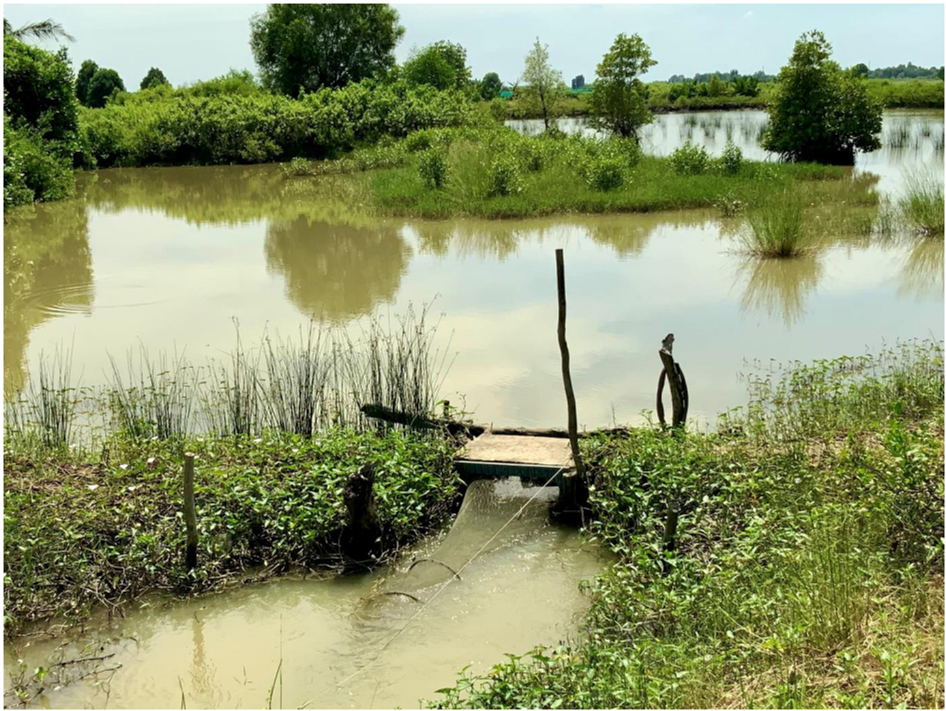
Small-scale shrimp aquaculture is developed in coastal marine areas that were often once covered by mangroves; the impact on coastal oceans should be related to the added effects of small coastal ponds. This practice is more prominent in Asia, while coastal shrimp farming in Latin America is a large-scale aquaculture activity. It is likely that the main impact on the ocean comes from the destruction of mangroves, which reduces their capacity for coastal carbon storage, and nutrient-filtering habitat provision for viable capture fisheries. Larger mangrove transformations into shrimp ponds will drain more nutrients into the sea. However, it is also evident that, at the global level, mangrove destruction is legally prohibited, and the regeneration of mangroves is promoted in many countries Ref 41. Nevertheless, mangrove-friendly small-scale shrimp farming is practised in many countries (see figure below).
Figure Small-scale shrimp farming in a mangrove area in Viet Nam
Many NSMAs release plastic waste from floating systems, ropes and containers, among other things. Although it is not evaluated at a global level, NSMA can be a relevant source of microplastics and larger debris in the ocean in areas where debris is highly concentrated Ref 29. Small-scale farmers often lack adequate practices regarding the use and disposal of materials Ref 53.
There is a need for better assessments of NSMA impacts and benefits for nearshore areas of the ocean. To improve the contribution of NSMA to ocean health, it is necessary to improve the spatial planning and arrangement of farms, as well as to better manage individual farms. This can be done through stronger extension services and market incentives, such as area management certifications. However, it is important to bring the cost of certification down so that small-scale farmers could become partners of certification systems. This is necessary in order to change individual farmers' performance, since the implementation of better standards is often expensive and technically cumbersome.
Disease is one of the most important threats to sustainable aquaculture production, which is also of significant relevance to NSMA and CMA. Diseases in the marine environment affect both cultured and wild stocks and often pass undetected, undiagnosed, unreported and/or misdiagnosed, thereby hiding their true impacts. The direct and indirect costs associated with disease outbreaks in aquaculture thus tend to be underestimated Ref 50. Although antimicrobial use in shrimp aquaculture has been significantly reduced, there are still allegations of irresponsible use in the sector. Nevertheless, in the CMA shrimp sector, the development of specific pathogen-free shrimp, along with controlled breeding in hatcheries, has not only reduced disease impacts and antimicrobial use in shrimp aquaculture (including small-scale producers), but has also almost diminished the wild seed and broodstock collection Ref 2.
NSMA and CMA cannot be sustainable without addressing the impacts of climate change Ref 11. The major elements of climate change threatening NSMA and CMA production and sustainability include rising temperatures, ocean acidification, diseases, harmful algal blooms, changes in rainfall/precipitation patterns, sea level rise, uncertainty about external input supplies, changes in sea surface salinity and severe climatic events Ref 11. The potential impact is dependent on several factors such as the season, locations and size of the specific segment in the sector. Furthermore, communities engaged in NSMA and CMA are relatively poor, with limited resources, so their resilience to climate change is restricted in many countries.
Although some forms of aquaculture claim low greenhouse gas emissions and negative environmental impacts, the sustainability of aquaculture is widely debated. In 2000, a comprehensive review of the net contribution of aquaculture to world fish supplies was published in Nature Ref 47, portraying aquaculture in a very negative light in terms of its adverse environmental impacts. Later, in 2021, another article in Nature reviewed the developments in global aquaculture from 1997 to 2017, incorporating all industry subsectors and highlighting the integration of aquaculture in the global food system Ref 48. The review highlighted the major gains in aquaculture feed efficiency and fish nutrition, lowering the fish-in/fish-out ratio for all fed species, although the dependence on marine ingredients persists and reliance on terrestrial ingredients has increased. The review further recognized mollusc and seaweed culture for its ecosystem services; however, it admitted that the quantification, valuation and market development of these services remain rare. The authors concluded that the potential of molluscs and seaweed farming, which are most relevant to NSMA, to support global nutritional security is underexploited. Pressure on the aquaculture industry to embrace comprehensive sustainability measures from 1997 to 2017, however, have improved governance, technology, siting and management in many cases.
According to the International Marine Ingredients Organisation (IFFO), to sustain global aquatic animal production in 2020 (63 million tons), about 46 million tons of feed were used Ref 34. Based on projections by FAO, global aquaculture production is predicted to more than double, reaching yields of 140 million tons by 2050 Ref 21. This means that feed production needs to at least double to over 100 million tons during the same period. Among the fundamental questions underpinning that projection are how to obtain the feed ingredients to sustain such growth and how to ensure the sustainability of that growth Ref 34.
Fishmeal is one of the most important ingredients in livestock and aquaculture feed. About 18 million tons of fish are processed into fish oil and fishmeal for aquafeed, primarily marine pelagic fish. Although the El Niño Southern Oscillation and interdecadal variability have affected anchovy and sardine populations over time Ref 8 Ref 16, the production of fed fish for aquaculture (both marine and inland) has dramatically increased. Better farming practices and improvements in aquafeed formulations, such as the incorporation of alternative feed ingredients, have significantly reduced the amount of fishmeal and fish oil needed for most farmed fish species.
3. Sustainability pathways
Aquaculture and the environment
Although the assumption is that increasing food production will inevitably result in some degradation of nature, a convincing body of evidence is now available that challenges this assumption. In fact, it is possible to produce nutritious food and actively contribute to the recovery of ecosystems at the same time Ref 46 through regenerative aquaculture (i.e. aquaculture that also provides ecosystem services, such as filtering water, sequestering carbon and providing habitat for other organisms). A recent report by Nature Conservancy notes that the expansion of restorative aquaculture and improved management of wild fisheries could sustainably increase how much food is harvested from the ocean by 36 to 74% by 2050, making aquaculture a key part of transitioning towards a food system that works with nature Ref 9.
Aquaculture is recognized as one of the most environmentally efficient ways of producing food. This is especially true for bivalves and seaweeds. Recent research and assessments show that shellfish and seaweed farms, with the right practices, in the right places, can help to restore ocean health Ref 40, while supporting economic development and food production in coastal communities worldwide Ref 52. A major step to increase the contribution of NSMA to food and nutrition is to enhance science and innovation efforts to increase seaweed use as direct food for humans.
Fulfilling aquaculture's growth potential requires responsible technologies and practices. Sustainable aquaculture should be ecologically efficient, product-diversified, profitable and societally beneficial, with acceptable levels of risk in terms of adverse environmental impacts. Integrated multitrophic aquaculture has the potential to achieve these objectives by coupling non-fed NSMA farming (e.g. seaweeds, suspension and deposit feeders) to nearby farmed fed species (e.g. finfish-fed sustainable commercial diets), thus promoting the use of inorganic and organic excess nutrients from fed aquaculture for the growth of the non-fed species. This approach, which is practised especially by NSMA communities, can help to improve the environment, the economy and social acceptability. This is being implemented in Chile by farming seaweed at industrial salmon farming sites when intensive aquaculture is in a fallow period.
Any production sector has an optimal environmental carrying capacity, beyond which the sector's sustainability becomes debatable. Applying cluster management approaches under the FAO ecosystem approach to aquaculture, which considers all the components of aquatic production within a specific geographic and social boundary, is aimed at integrating aquaculture with other sectors and ensuring that it contributes to social and economic development. Furthermore, as stated in chapter 25 of the second World Ocean Assessment, the ecosystem approach to aquaculture should be integrated with the ecosystem approach to fisheries to address the potential cumulative impacts of fisheries and aquaculture on coastal marine ecosystems Ref 36, which could be promoted by responsible aquaculture stakeholders with beneficial outcomes in coastal and nearshore aquaculture in many parts of the world.
Value chain and farming systems
Improving the sustainability of NSMA and CMA and reducing any negative impacts requires a value chain approach. Strengthening the linkages between the different actors in the value chain will make it possible to address the constraints facing the actors and upgrade the value chain. Value chain analysis can highlight the role of governance in the value chain, that is, the structure of relationships and coordination mechanisms, linkages and trust that exist between actors, especially among the small-scale NSMA and CMA sectors. By focusing on these linkages, it is possible to identify the mechanisms that may need to be targeted to improve capabilities in the value chain, remedy distributional distortions and increase added value in the sector. There are examples of improved farming systems directly contributing to a reduction in the negative environmental impacts of coastal aquaculture, especially in small-scale shrimp aquaculture practices in Asia.
Climate
In comparison with livestock production, seafood production has lower carbon emissions. In addition, some species can extract carbon from aquatic environments, contributing to an extended carbon cycle. A recent review of the environmental consequences of aquaculture production and the potential effects of different aquatic products on greenhouse gas emissions suggested approaches for mitigating global climate change. They suggested improving feed efficiency, selecting suitable farmed species and implementing sustainable farming practices and management. Holistic evaluation and strategic intervention regarding greenhouse emissions are fundamental and essential for achieving a sustainable, low-carbon future for aquaculture Ref 61.
Seaweeds contribute to climate change mitigation through carbon capture via multiple pathways, with varying degrees of permanence. Through photosynthesis, seaweeds absorb dissolved inorganic carbon (DIC) from seawater and convert it to organic carbon compounds stored as biomass, dissolved organic carbon (DOC) and particulate organic carbon (POC) Ref 37. While biomass storage is temporary unless harvested and processed, portions of DOC and POC can achieve long-term sequestration when transported to the deep ocean or buried in sediments Ref 54 Ref 37 Ref 25.
Current scientific evidence raises significant concerns about seaweed carbon sequestration, particularly regarding the practice of sinking seaweed biomass to the deep ocean, which could be potentially misleading Ref 13. The carbon stored in seaweed biomass likely represents temporary rather than permanent sequestration, with studies indicating that only 6 to 33% of theoretical CO2 removal potential is achieved when accounting for air-sea CO2 equilibration; deep-ocean dumping risks disrupting poorly understood marine ecosystems by smothering seafloor life, altering water chemistry and promoting deoxygenation; and complex transport pathways make verification and monitoring extremely difficult. While seaweeds do participate in carbon cycling through DOC and POC pathways, the scientific consensus emphasizes that seaweeds provide greater value when utilized for food security and other product value chains that deliver multiple ecosystem services rather than being promoted primarily as carbon sequestration agents through deep-sea disposal, an approach that many scientists consider ecologically risky and a potential distraction from more effective climate solutions.
The sequestration efficiency of seaweeds also varies by species, cultivation method and environmental condition, with estimates suggesting a global potential of 61-268 teragrams of carbon annually, and on average up to 173 teragrams of carbon per year, which in 2016 was about 11% of seaweed global net carbon production Ref 39. Verification of CO2 removal requires accounting for ocean-atmosphere CO2 exchange dynamics and tracing carbon flows through marine systems Ref 31 Ref 30. The absence of rigorous carbon accounting methods precludes a conclusive assertion of the sequestration potential of seaweeds. While uncertainties remain regarding quantification and verification, particularly concerning air-sea CO2 equilibrium time frames, the scientific consensus acknowledges the role of seaweeds in carbon sequestration as a legitimate area of research requiring further investigation rather than outright dismissal.
Climate-smart aquaculture is aimed at improving food security while considering the need to adapt and ways to reduce the effects of climate change Ref 18. It tackles the difficulties of achieving synergies among the associated goals of mitigating climate change, adaptation and increased production and income while reducing possible negative consequences. It is a useful strategy for reducing the potential impacts of NSMA and CMA on ocean health.
Genetic improvement
Genetic improvement of farmed aquatic species has been shown to improve several characteristics favourable to aquaculture, such as growth rate, body morphology and colour, fecundity, survivability and disease resistance. There are a range of genetic technologies available to aquaculturists (see table 2), although several of these technologies require resources, capacity and technology, which are not always available in NSMA and CMA. The domestication and genetic improvement of farmed aquatic species would reduce the negative impacts of aquaculture on the world's oceans and brackish waters. Atlantic salmon, Japanese kelp, oysters and white leg shrimp are notable examples of how genetic improvement can increase production and profits in aquaculture and reduce environmental impacts. While farming of Atlantic salmon is not included in NSMA, farming of white leg shrimp, oysters and Japanese kelp can be both intensive aquaculture and NSMA and CMA Ref 12. Among the best examples of genetic improvements in CMA that have significantly reduced the pressure on the ocean are specific pathogen-resistant and specific pathogen-free shrimp. The use of locally bred post-larvae by small-scale shrimp farmers under CMA has increased significantly over the past decade. Domesticated marine species would require less food, be more disease-resistant and have poorer survival in the wild in the event of escape. Unlike freshwater aquaculture, there are still challenges with the controlled breeding of several important farmed marine species, and therefore genetic improvement in marine species has not been utilized to the extent it has in freshwater species, making it an area of research requiring further attention. Marine species are also farmed for the ornamental pet fish industry. However, only about 2% of ornamental marine species come from aquaculture Ref 55. As most genetic improvements have been used by large-scale well-financed groups and usually not by small-scale aquaculturists, the challenge of the coming decade should be to make those relevant and proven genetic technologies and improvements available, assessable and affordable to small-scale aquaculture producers in NSMA and CMA, as has been done in freshwater species such as tilapia (Asian Development Bank (ADB), 2005). There is commercial potential for using DNA technologies to screen fish for diseases and make disease-free fish strains for NSMA, as has been done with shrimp farming in India Ref 51.
Table 2 Genetic technologies: examples of genetically improved marine and brackish water species
| Technology | Marine examples | Improvement | |
|---|---|---|---|
| Short term | |||
| Hybridization | Bester sturgeon (Huso huso, Acipenser ruthenus) | Improved growth rate; no need for diadromy | |
| Chromosome set manipulation | Triploid Pacific oyster | Flesh quality; growth rate | |
| Long term | |||
| Selective breeding | Atlantic salmon/White leg shrimp | Growth rate; disease resistance; environmental tolerance | |
| Gene transfer | Atlantic salmon | Growth rate; temperature tolerance | |
Source: Prepared by the writing team.
Non-native species
Non-native aquatic species introduced into new areas for fishing or aquaculture have been shown to increase production and profits. However, they have also been shown to pose threats, such as in establishing invasive species populations in both ecological and economic environments Ref 5. Over 200 species are farmed in countries where they are not native; of the top 10 farmed aquatic species, 9 are more frequently farmed in countries where they are non-native than in countries where they are native Ref 19. Although most of these are freshwater species (7 out of 10), the statistics demonstrate the economic value of non-native species in aquaculture. However, there are risks and, using freshwater data from the FAO Database on Introductions of Aquatic Species, more negative environmental impacts than positive economic impacts were reported for farming non-native species Ref 6, thus making risk assessment and the application of international guidelines necessary Ref 33.
Feed
Based on the current growth of aquaculture, there is an urgent need to increase the production of aquafeeds. A crucial point is that they should not compete with the potential to feed humans. Several options have been proposed Ref 26, including: improving the management of existing resources to increase their productivity (option 1); ensuring that nothing is wasted, irrespective of the resources produced (option 2); and further developing non-competing resource production (option 3). However, the fishing of marine pelagics for rendering into feed provides a livelihood for many fishers, especially in Latin America, who would not otherwise have the resources to store and process their catch for human consumption Ref 58
In addition, there has been an increase in the use of by-products from fish processing plants in aquaculture feed to about 25-30%, thus reducing dependence on marine pelagic fish. Nonetheless, the aquaculture industry is looking for ways to reduce dependence on marine pelagic fish by including plant-based and insect alternatives. Soybean is the primary alternative to fish meal, but fish oil is harder to replace Ref 7. The use of algal oils has also been reported. Since formulated feeds are heavily used in the NSMA and CMA sectors, especially in coastal shrimp and nearshore fish culture, the application of better feeding practices and better management practices will further reduce the pressure on exploiting animal resources for aquaculture feeds from the ocean.
Disease
The need to increase aquatic food production while facing natural resource constraints will drive the intensification of aquaculture, thus inevitably enhancing disease risks in the sector. In past decades, there were major outbreaks of disease in NSMA and CMA. The progressive management pathway for aquatic biosecurity, introduced by FAO and supported by a variety of national biosecurity tools, is expected to play a major role in the systemic reduction of diseases and pests throughout the global aquaculture industry. It could significantly contribute to improving biosecurity in aquaculture, especially in the much- needed NSMA and CMA small-scale sectors, and lead to reduced environmental impacts, improved market access, increased smallholder income and the promotion of the One Health approach Ref 20.
Governance
Aquaculture governance is the set of processes by which a jurisdiction manages its resources, how its stakeholders participate in making and implementing decisions affecting the sector, how government personnel are held accountable to the aquaculture community and other stakeholders, and how respect for the rule of law is applied and enforced. Good governance will ensure the sustainability of aquaculture growth and will help to reduce the sector's impacts on ocean health. Governance in aquaculture covers all sectors, environments and scales, including small-scale NSMA and CMA.
Aquaculture activities usually occur within national authorities, and the sector has traditionally been considered jointly with capture fisheries in policies and international agreements. Article 9, on aquaculture development, in the Code of Conduct on Responsible Fisheries provides governance advice to stakeholders, with special reference to the small-scale farming sector Ref 17. Further guidance is provided in the recent FAO Guidelines for Sustainable Aquaculture Ref 23. However, growing external pressures on the industry are prompting it to improve its governance, and there is evidence of good practices in some parts of the world, which translate directly into high-production outputs. Achieving good governance in aquaculture is as important an objective as aquaculture development (increases in outputs) per se as it will ensure the achievements of sustainable aquaculture development ecologically, economically and institutionally.
Most types of NSMA and CMA and their value chains are less organized and require assistance for improvement and further development in a more sustainable manner. In fact, it is hard for small-scale producers and value chain actors to comply with all of the sector's legal and governance regulations. Furthermore, an inability to comply with laws and regulations can make the small-scale aquaculture sector environmentally less sustainable, with the potential to create more negative impacts for production environments, and eventually for ocean health.
Improving governance of the small-scale aquaculture within NSMA and CMA will increase the overall sustainability and profitability of the sector. If not, the socioeconomic benefits of the sector will decline, requiring government interventions and support to manage the sector's sustainability. The inability to provide State patronage to NSMA and CMA in the form of conducive policy, enforceable regulatory frameworks and affordable finance, resulting in suboptimal sector performance, will have a negative impact on the ocean's health.
4. Conclusions
Small-scale aquaculture under NSMA and CMA plays a significant role in food security, livelihoods, nutrition and health. Some species and well-managed systems have few or no negative impacts on the ocean health (e.g. seaweeds and molluscs). However, the debate on whether the socioeconomic and environmental benefits of certain species and systems (coastal shrimp and nearshore fed-fish aquaculture) currently outweigh their potential negative impacts on the ocean's health continues.
The review of aquaculture in the second World Ocean Assessment, unlike in the present Assessment, addressed the full spectrum of aquaculture and its benefits and threats. It also pointed out several key knowledge gaps. It mentioned the public debate on the increasing dependence of developed countries on farmed seafood imports from developing countries and insecurity regarding product environmental, social and safety credentials, as well as scientific uncertainties and conflicting information on issues relating to seafood consumption. During the past few years, the application of third-party certification systems covering environmental, social and food safety concerns related to seafood have increased and improved, addressing seafoods originating from large-scale aquaculture. However, third-party certification requires further efforts to address the impacts and concerns of products originating from small-scale NSMA and CMA.
The present review noted the lack of specific laws governing small-scale NSMA and CMA that have been developed and enforced, especially in Latin America and Africa. Furthermore, programmes supporting aquaculture smallholder performance and sustainability are scarce worldwide. State-provided aquaculture extension services are usually insufficient, and NSMA and CMA actors do not have the resources to access such services on the open market. In addition, due to uncertainty and the lack of disaggregated data on small-, medium- and large-scale aquaculture, it is difficult to understand the contributions and impacts of each subsector. Better data would allow for more effective policies and practices. These shortfalls may lead to negative impacts for ocean's health if not addressed in a timely fashion.
States should pay greater attention to NSMA and CMA under their blue economy development programmes, which will collectively contribute to global food and nutrition security and to improving livelihoods, while maintaining and improving the ocean's health. National laws and regulations need to be clear and promote growth in NSMA and CMA while prioritizing access to resources for vulnerable populations directly and indirectly involved in these sectors. New business innovation models allowing accelerated permitting of lower-trophic-level species such as seaweeds and mussels, along with other species cultures in the same locations, should be considered.
Considering the potential negative impacts of the aggregation of small-scale operations, spatial planning and addressing carrying capacity limitations, including integrated multitrophic production systems, should be encouraged at the national and regional levels. Climate-driven technologies and practices, such as climate-smart and restorative aquaculture and economic models, should be promoted and implemented. It is also important to address capacity development on governance and entrepreneurial skills related to NSMA and CMA at all levels.
Best management practices, including biosecurity measures, such as the progressive management pathway for aquatic biosecurity, need to be implemented. The use of genetically improved farmed types and non-native species can improve production efficiency and increase profits from aquaculture, but they can also have an adverse impact on the ocean and coastal areas. Risk analysis, the precautionary approach and the application of international codes of practice are recommended to optimize the use of these farmed types and avoid negative impacts on the world's oceans and the aquaculturists that use them. Increased support for value-added product development and access to markets is needed.
References
- ADB (2005). An Impact Evaluation of the Development of the Genetically Improved Farmed Tilapia. Asian Development Bank. http://www.adb.org/Publications.
- Alday-Sanz, V., Brock. J., Flegel, T.W., McIntosh, R., Bondad-Reantaso, M., Salazar, M., Subasinghe, R. (2018). Facts, truths and myths about SPF shrimp in aquaculture. Reviews in Aquaculture, 1-9, Wiley Publishing Asia Limited.
- Asri, A., Brodie, J., Cottier-Cook, E.J., Le Masson, V., Matoju, I., Montalescot, V., Nagabhatla, N., Shaxson, L., and Suyo, J. (2022). Towards a More Inclusive and Sustainable Red Seaweed Industry. Policy Brief [Online]. Available at https://cris.unu.edu/towards-more-inclusive-and-sustainable-red-seaweed-industry.
- Barrett LT, Theuerkauf SJ, Rose JM, and others Sustainable growth of nonfed aquaculture can generate valuable ecosystem benefits. Ecosyst Serv. 2022; 53:101396. doi:10.1016/j.ecoser.2021.101396
- Bartley, D.M., and Halwart, M. (2006). Responsible use and control of introduced species in fisheries and aquaculture [CD-ROM]. Rome, FAO.
- Bartley, D.M., and S.J. Funge-Smith (2018). Aquatic biodiversity and inland fisheries. Pages 286309 in Funge-Smith, S.J. (ed), Review of the state of world fishery resources: inland fisheries FAO Fisheries and Aquaculture Circular No. C942 Rev.3, Rome, 397 pp.
- Bartley, D.M. (2022). World Aquaculture 2020 - A brief overview. FAO Fisheries and Aquaculture Circular No. 1233. Rome, FAO. https://doi.org/10.4060/cb7669en.
- Bertrand, A., Lengaigne, M., Takahashi, K., Avadí, A., Poulain, F., and Harrod, C. (2020). El Niño Southern Oscillation (ENSO) effects on fisheries and aquaculture. FAO Fisheries and Aquaculture Technical Paper No. 660. Rome, FAO. https://doi.org/10.4060/ca8348en.
- Bossio D., Obersteiner M., Wironen M., Jung M., Wood S., Folberth C., Boucher T., Alleway H., Simons R., Bucien K., Dowell L., Cleary D., Jones R. (2021). Foodscapes: Toward Food System Transition, The Nature Conservancy, International Institute for Applied Systems Analysis, and SYSTEMIQ, ISBN: 978-0- 578-31122-7.
- Byron, C.J., Koch, S.J., Callier, M.D., Kluger, L., Angel, D.L., Vanaverbeke, J., Filgueira, R. (2024). Indicators for ecological carrying capacity of bivalve and seaweed aquaculture. Reviews in Aquaculture, 16(4), 2010-2022.
- CABI International (2023). Climate Change on Diseases and Disorders of Finfish in Cage Culture. 3rd Edition., P.T.K. Woo, and R.P. Subasinghe, eds., pp. 430-461.
- Chen, X., and Xiong, J. (2018). Development of the Culture of the White-Legged Shrimp, Penaeus vannamei . In Aquaculture in China, J. Gui, Q. Tang, Z. Li, J. Liu, and S.S. De Silva, eds. https://doi-org.proxy1.cl.msu.edu/10.1002/9781119120759.ch4_2.
- Chopin, T., Costa-Pierce, B.A., Troell, M., Hurd, C.L., Costello, M.J., Backman, S., Buschmann, A.H., Cuhel, R., Duarte, C.M., Gröndahl, F., Heasman, K., Haroun, R.J., Johansen, J., Jueterbock, A., Lench, M., Lindell, S., Pavia, H., Ricart, A.M., Sundell, K.S., Yarish, C. (2024). Deep-ocean seaweed dumping for carbon sequestration: Questionable, risky, and not the best use of valuable biomass, One Earth, 7(30), 359-364. https://doi.org/10.1016/j.oneear.2024.01.013.
- Cottier-Cook, E.J., Nagabhatla, N., Asri, A., Beveridge, M., Bianchi, P., Bolton, J., Bondad-Reantaso, M.G., Brodie, J., Buschmann, A., Cabarubias, J., Campbell, I., Chopin, T., Critchley, A., De Lombaerde, P., Doumeizel, V., Gachon, C.M.M., Hayashi, L., Hewitt, C.L., Huang, J., Hurtado, A.Q., Kambey, C., Kim, G.H., Le Masson, V., Lim, P.-E., Liu, T., Malin, G., Matoju, I., Montalescot, V., Msuya, F.E., Potin, P., Puspita, M., Qi, Z., Shaxson, L., Sousa Pinto, I., Stentiford, G.D., Suyo, J., and Yarish, C. (2021). Ensuring the sustainable future of the rapidly expanding global seaweed aquaculture industry - a vision. Policy Brief [Online].
- Cottier-Cook, E.J., Cabarubias, J.P., Brakel, J., Brodie, J., Buschmann, A.H., Campbell, I., Critchley, A.T., Hewitt, C.L., Huang, J., Hurtado, A., Kambey, C.S.B., Lim, P.E., Liu, T., Mateo, J.P., Msuya, F.E., Qi, Z., Shaxson, L., Stentiford, G.D., and Bondad-Reantaso, M.G. (2022). A new Progressive Management Pathway for improving seaweed biosecurity. Nature Communications, 13.
- Fang, X., and Zhang, Y. (2025). The impact of climate change and economic development on the catches of small pelagic fisheries. Marine Policy, 175, 106631.
- FAO (1995). Code of Conduct for Responsible Fisheries. Rome. https://openknowledge.fao.org/items/89b84fe5-1598-40f9-9e95-a050fbb730c8.
- FAO (2017). Climate smart agriculture source book. https://www.fao.org/climate-smart-agriculture-sourcebook/production-resources/module-b4-fisheries/b4-overview/en/?type=111.
- FAO (2019). The State of the World's Aquatic Genetic Resources for Food and Agriculture. FAO Commission on Genetic Resources for Food and Agriculture assessments. Rome.
- FAO (2023). The progressive management pathway for aquaculture biosecurity. Rome. https://www.fao.org/3/cc6858en/cc6858en.pdf.
- FAO (2024a). The State of World Fisheries and Aquaculture 2024. Blue Transformation in action. Rome. https://doi.org/10.4060/cd0683en.
- FAO (2024b). World Food and Agriculture - Statistical Yearbook 2024. Rome. https://doi.org/10.4060/cd2971en.
- FAO (2025). Guidelines for Sustainable Aquaculture. Rome. https://doi.org/10.4060/cd3785en.
- Fricke, A., Capuzzo, E., Bermejo, R., Hofmann, L.C., Hernández, I., Pereira, R., Van den Burg, S.W.K., Pereira, T., Buschmann, A.H., Cottier-Cook, E.J. (2024). Ecosystem services provided by seaweed cultivation: State of the art, knowledge gaps, constraints and future needs for achieving maximum potential in Europe. Reviews in Fisheries Science and Aquaculture. https://doi.org/10.1080/23308249.2024.2399355.
- Fujita, R.M., Collins, J.R., Kleisner, K.M., Rader, D.N., Mejaes, A., Augyte, S., and Brittingham, P.A. (2022). Carbon sequestration by seaweed: background paper for the Bezos Earth Fund -EDF workshop on seaweed carbon sequestration. Environmental Defense Fund, New York, NY. www.edf.org/sites/default/files/202210/Carbon%20Sequestration%20by%20Seaweed.pdf.
- Glencross, B., Ling, X., Gatlin, D., Kaushik, S., Øverland, M., Newton, R., and Valente, L.M.P. (2024). A SWOT Analysis of the Use of Marine, Grain, Terrestrial-Animal and Novel Protein Ingredients in Aquaculture Feeds. Reviews in Fisheries Science & Aquaculture, 32(3), 396-434. https://doi.org/10.1080/23308249.2024.2315049.
- Gattuso, J-P., Williamson, P., Duarte, C.M., and Magnan A.K. (2021). The Potential for Ocean-Based Climate Action: Negative Emissions Technologies and Beyond. Front. Clim., 2: 575716. doi: 10.3389/fclim.2020.575716.
- Gattuso, J-P., Magnan, A.K., Bopp, L., Cheung, W.W.L., Duarte, C.M., Hinkel, J., Mcleod, E., Micheli, F., Oschlies, A., Williamson, P., Billé, R., Chalastani, V.I., Gates, R.D., Irisson, J-O., Middelburg, J.J., Pörtner, H-O., and Rau, G.H. (2018). Ocean Solutions to Address Climate Change and Its Effects on Marine Ecosystems. Front. Mar. Sci., 5: 337. doi: 10.3389/fmars.2018.00337.
- Harvey, M., Barrett, L.T., Morris, R.L., Swearer, S.E., Dempster, T. (2024). Ocean Sprawl: The Global Footprint of Shellfish and Algae Aquaculture and its Implications for Production, Environmental Impact, and Biosecurity. Aquaculture, volume 586, 740747, ISSN 0044-8486. https://doi.org/10.1016/j.aquaculture.2024.740747.
- Hurd, C.L., Gattuso, J.-P., and Boyd, P.W. (2024). Air-sea carbon dioxide equilibrium: Will it be possible to use seaweeds for carbon removal offsets? Journal of Phycology, 60, 4-14. https://doi.org/10.1111/jpy.13405.
- Hurd, C.L., Law, C.S., Bach, L.T., Britton, D., Hovenden, M., Paine, E.R., Raven, J.A., Tamsitt, V., Boyd, P.W. (2022). Forensic carbon accounting: Assessing the role of seaweeds for carbon sequestration. Journal of Phycology, 58(3): 347-363. doi: 10.1111/jpy.13249.
- Hyun, C.S., Lee, J.E., Yoo, J., Park, J.H., and others (2024). Toward transformation of bivalve shell wastes into high value-added and sustainable products in South Korea: A review, Journal of Industrial and Engineering Chemistry, 129: 38-52.
- ICES (2005). ICES Code of Practice on the Introductions and Transfers of Marine Organisms, 30 pp. https://www.ices.dk/community/Documents/Expert%20Groups/WGITMO/ICES%20Code%20of%20Practice.pdf.
- IFFO (2024). https://www.iffo.com/marine-ingredients-maintain-strategic-role-we-need-additional-bulk-nutrients-aquaculture-growth.
- Islam, Mazharul, and others (2024). Inducing mussel beds, based on an aquaculture long-line system, as nature-based solutions: effects on seabed dynamics and benthic communities. Nature-Based Solutions, 6: 100142.
- Kang, H., and Zhang, C-I. (2021). A concept and framework of the extended ecosystem-based fisheries assessment approach incorporating other driving forces. Journal of Marine Science and Engineering, 9(5), 545. https://doi.org/10.3390/jmse9050545.
- Kim, K.Y. (2024) Harnessing seaweed farming for climate mitigation in South Korea: evaluating carbon dioxide removal potential and future research directions. Algae, 39 (4): 329-347. doi: https://doi.org/10.4490/algae.2024.39.10.28.
- Kumar, A., Middha, S.K., Menon, S.V., Paital, B., Gokarn, S., Nelli, M., Rajanikanth, R.B., Chandra, H.M., Mugunthan, S.P., Kantwa, S.M., Usha, T., Hati, A.K., Venkatesan, D., Rajendran, A., Behera, T.R., Venkatesamurthy, S., Sahoo, D.K. (2024). Current Challenges of Vaccination in Fish Health Management. Animals, 14, 2692.
- Krause-Jensen, D., Duarte, C.M. (2016). Substantial role of macroalgae in marine carbon sequestration. Nature Geoscience, 9(10), 737-742. https://doi.org/10.1038/ngeo2790.
- Kuncoro Catur Nugroho, Nimmi Zulbainarni, Zenal Asikin, Slamet Budijanto, Marimin Marimin (2024). Toward a Sustainable Surimi Industry: Comprehensive Review and Future Research Directions of Demersal Fish Stock Assessment Techniques, Sustainability, 10.3390/su16177759, 16, 17, (7759).
- Lecerf, M., Herr D., Elverum, C., Delrieu, E., and Picourt, L. (2023). Coastal and marine ecosystems as Nature-based Solutions in new or updated Nationally Determined Contributions, Ocean & Climate Platform, Conservation International, IUCN, Rare, The Nature Conservancy, Wetlands International and WWF.
- Marín, S.L., Loreto, P., Rosa, N., Daniela, F., José, L.I., Angel, B., Iñigo, M. (2023). Ecological status of benthic communities associated to mussel farms in South of Chile: Can it be predicted using AMBI? Regional Studies in Marine Science, volume 66, 103132, ISSN 2352-4855. https://doi.org/10.1016/j.rsma.2023.103132.
- Mizuta, D.D., Froehlich, H.E., Wilson, J.R. (2023). The changing role and definitions of aquaculture for environmental purposes. Rev Aquac., 15(1): 130-141. doi:10.1111/raq.12706.
- Msuya, F.E., Bolton, J., Pascal, F., Narrain, K., Nyonje, B., and Cottier-Cook, E.J. (2022). Seaweed farming in Africa: current status and future potential. Journal of Applied Phycology.
- Nagabhatla, N., Ranasinghe, P., Koza, S., and Cottier-Cook, E.J. (2023). Seaweed Production Systems (SPSs) in Asia-Pacific Region and the SDG Agenda. In Leal Filho, W., Ng, T.F., Iyer-Raniga, U., Ng, A., and Sharifi, A., eds. SDGs in the Asia and Pacific Region. Implementing the UN Sustainable Development Goals - Regional Perspectives. Cham: Springer.
- Nature Conservancy (2023). https://www.nature.org/en-us/what-we-do/our-insights/perspectives/restorative-aquaculture-for-nature-and- communities/#:~:text=What%20is%20Restorative%20Aquaculture%3F,generate%20net%2Dpositive%20 environmental%20outcomes.
- Naylor, R., Goldburg, R., Primavera, J., and others (2000). Effect of aquaculture on world fish supplies. Nature, 405, 1017-1024. https://doi.org/10.1038/35016500.
- Naylor, R.L., Hardy, R.W., Buschmann, A.H. and others (2021). A 20-year retrospective review of global aquaculture. Nature, 591, 551-563. https://doi.org/10.1038/s41586-021-03308-6.
- Schar, D., Klein, E.Y., and Laxminarayan, R. (2020). Global trends in antimicrobial use in aquaculture. Scientific Reports, 10, 21878. https://doi.org/10.1038/s41598-020-78849-3.
- Subasinghe, R.P., and Shinn, A.P. (2023). Biosecurity: Current and Future Strategies. In CABI International 2023. Climate Change on Diseases and Disorders of Finfish in Cage Culture. 3rd Edition., P.T.K. Woo, and R.P. Subasinghe, eds., pp. 430-461.
- Thakur, P.C., A.P. Padiyar, A.K. Sahoo, G. Subbarao, and D. Ramra (2013). PCR-based Pathogen Detection in Shrimp Aquaculture in India, pp 140-148. In J. Ruane, J.D. Dargie, C. Mba, P. Boettcher, H.P.S. Makkar, D.M. Bartley, and A. Sonnino, eds. Biotechnologies at Work for Smallholders: Case Studies from Developing Countries in Crops, Livestock and Fish. FAO Occasional papers on Innovation in Family Farming. Food and Agriculture Organization of the United Nations, Rome.
- Theuerkauf, S.J., Morris, J.A., Jr., Waters, T.J., Wickliffe, L.C., Alleway, H.K., Jones, R.C. (2019). A global spatial analysis reveals where marine aquaculture can benefit nature and people. PLoS ONE, 14(10): e0222282. https://doi.org/10.1371/journal.pone.0222282.
- Tian, Y., Yang, Z., Yu, X., and others (2022). Can we quantify the aquatic environmental plastic load from aquaculture? Water Research, 219, 118551, ISSN 0043-1354. https://doi.org/10.1016/j.watres.2022.118551.
- Van den Burg, S.W.K., Koch, S.J.I., Poelman, M., Veraart, J., Selnes, T., Foekema, E.M., and Lansbergen, R. (2024). Seaweed as climate mitigation solution: Categorizing and reflecting on four climate mitigation pathways. WIREs Climate Change, 15(2), e868. https://doi.org/10.1002/wcc.868.
- Wabnitz, and others (2003). Cited in FAO (2019). The State of the World's Aquatic Genetic Resources for Food and Agriculture. FAO Commission on Genetic Resources for Food and Agriculture assessments. Rome. https://openknowledge.fao.org/server/api/core/bitstreams/ae734ce1-3f25-46b2-9e49-0bd9e2dc3605/conten.
- Waldbusser, G.G., Powell, E.N., Mann, R. (2013). Ecosystem effects of shell aggregations and cycling in coastal waters: an example of Chesapeake Bay oyster reefs. Ecology, 94: 895-903.
- Ward, G.M., Faisan, J.P, Cottier-Cook, E.J., Gachon, C., Hurtado, A.Q., Lim, P.E., Matoju, I., Msuyu, F., Brodie, J. (2019). A Review of Reported Seaweed Diseases and Pests in Aquaculture in Asia. Journal of the World Aquaculture Society. DOI: 10.1111/jwas.12649.
- Wijkström, U.N. (2010). Aquaculture feeds: Is feeding fish with fish a viable practice? In FAO (2012). Report of the Global Conference on Aquaculture 2010 - Farming the waters for people and food. Phuket, Thailand, 22-25 September 2010. FAO Fisheries and Aquaculture Report. No. 988. Rome, 84 pp. https://www.fao.org/4/i2501e/i2501e00.pdf.
- Wong, A., Frommel, A.Y., Sumaila, U.R., and others (2024). A traits-based approach to assess aquaculture's contributions to food, climate change, and biodiversity goals. npj Ocean Sustain, 3, 30. https://doi.org/10.1038/s44183-024-00065-7.
- Xiao, X., Agusti, S., Lin, F., and others (2017). Nutrient removal from Chinese coastal waters by large-scale seaweed aquaculture. Sci Rep, 7, 46613. https://doi.org/10.1038/srep46613.
- Zhimin Zhang, Haokun Liu, Junyan Jin, Xiaoming Zhu, Dong Han, Shouqi Xie (2024). Towards a low-carbon footprint: Current status and prospects for aquaculture, Water Biology and Security, volume 3, Issue 4,100290. ISSN 2772-7351.